Sete Orthopedic Implants
Orthopedic implants play a crucial role in enhancing the quality of life for many patients. However, a common concern arises: how often do orthopedic implants need revision? This question is critical, as revisions can affect recovery times and overall wellbeing. Understanding the frequency of these revisions requires expertise and knowledge in the field.
The rate of implant revision varies significantly. Factors such as the type of implant used, patient age, and activity level all contribute to this variability. Some studies suggest that 10-20% of implants may need revision within a decade. It's essential for patients and healthcare providers to engage in ongoing discussions about the longevity of orthopedic devices.
Revision surgeries can be challenging and may lead to complications. Despite advances in surgical techniques and materials, failure rates can be unpredictable. Regular follow-ups and assessments help identify issues early. This proactive approach can optimize outcomes and improve patient satisfaction. Ultimately, awareness about the need for potential revisions is vital for informed decision-making in orthopedic care.
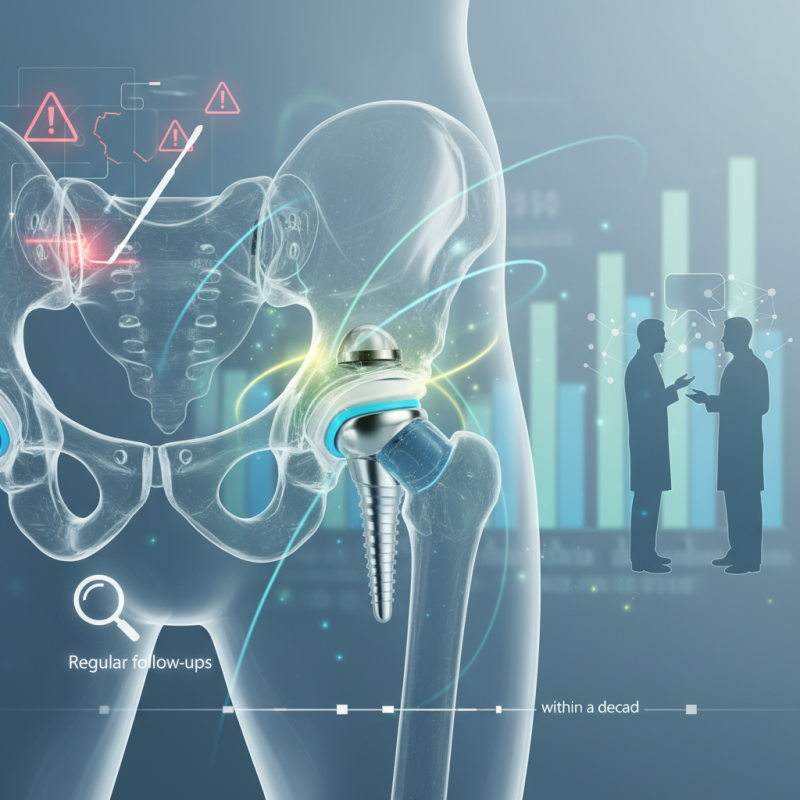
Orthopedic implants play a crucial role in modern medicine. They help restore function and mobility in patients with injuries or degenerative conditions.
These devices include screws, rods, and joint replacements. Their importance lies in enhancing the quality of life for many individuals.
By replacing damaged structures, implants provide stability and support to the musculoskeletal system.
However, the longevity of orthopedic implants is not guaranteed. Many factors influence their lifespan, including materials, surgical techniques, and patient activity levels.
Some implants may fail due to wear, infection, or improper alignment. Regular follow-up appointments are vital to monitor implant performance.
Patients should understand the potential for revision surgery, which can be daunting. It often entails additional risks and recovery time.
The decision for revision must consider multiple aspects. Surgeons assess the patient's overall health, lifestyle, and satisfaction with the implant.
Balancing the benefits and risks can be challenging. It’s essential to have open discussions with healthcare providers about expectations. Every case is unique, and a tailored approach is necessary for optimal outcomes.
Orthopedic implants play a crucial role in modern medicine, aiding in countless surgeries. Common types include joint replacements, spinal implants, and fracture fixation devices. According to a report from the American Academy of Orthopaedic Surgeons, knee and hip replacements are among the most frequently performed procedures, emphasizing the significance of these implants in healing.
Knee implants have a 10-year survival rate of up to 95%. However, some patients experience complications that necessitate revision. A study published in the Journal of Bone and Joint Surgery states that nearly 8% of hip implants require revision within the first 10 years. These statistics underline the importance of ongoing monitoring and evaluation of implant longevity.
Patient factors, such as obesity and activity level, can significantly influence revision rates. Overweight individuals often face higher risks of implant failure. While many implants perform well, it’s essential to assess each case individually. Regular check-ups can help identify potential issues early, leading to better outcomes in the long run.
Orthopedic implants have revolutionized joint functionality. However, revision surgery is sometimes necessary. Several factors influence this need, including the type of implant, patient demographics, and surgical techniques. Research indicates that around 10% of hip and knee replacements may require revision within 10-15 years. Implants may not last forever, especially in younger patients with higher activity levels.
Material wear is a significant concern. Studies show that polyethylene liners in knee implants degrade over time, potentially leading to loosening. Furthermore, the surgical approach and expertise of the surgeon play critical roles. Poor alignment or improper installation may necessitate early revision. Infections, while not as common, can severely impact implant longevity. Data suggest that about 1-2% of patients develop infections post-surgery, leading to further complications.
Patient-related factors also deserve attention. Obesity and diabetes notably increase the risk of complications. In fact, data indicate that obese patients are 60% more likely to encounter revision surgery within ten years post-implantation. These statistics emphasize the importance of patient education and preoperative assessments in planning effective treatments. Understanding these dynamics allows healthcare professionals to tailor their approaches and improve patient outcomes.
When considering orthopedic implants, understanding the revision timeline is crucial. Typically, implants are designed to last for over a decade under normal conditions. However, several factors can lead to the need for revision sooner than expected. Infections, wear and tear, or implant misalignment may necessitate surgical intervention.
Patients often experience symptoms that indicate issues with their implants. Pain, swelling, or reduced mobility should not be ignored. If these symptoms arise, consulting a specialist is vital. Their expertise can guide you through the potential need for revision surgery. The timeline can vary from patient to patient. Some may require revision within five years, while others may go much longer.
Regular follow-ups with healthcare providers can enhance the longevity of implants. These visits allow for monitoring and early detection of possible complications. It is essential to pay attention to body signals and engage in open discussions with healthcare professionals. This proactive approach can lead to timely interventions, ensuring better outcomes for patients with orthopedic implants.
This chart illustrates the typical timeline for the revision of orthopedic implants based on recent insights. The data reflects the percentage of implants that typically require revision at various time intervals post-surgery.
The longevity of orthopedic implants is a critical subject in orthopedic surgery. Recent studies indicate that about 10% of knee and hip implants require revision within a decade. High revision rates are often linked to patient factors and implant materials. Younger patients tend to face higher rates due to higher activity levels, which can lead to wear and tear.
Emerging trends suggest that advancements in materials and techniques may reduce revision rates. For instance, newer ceramic-coated implants show promise in enhancing durability. Data show that these implants may last up to 15-20 years without significant wear. However, the variability in patient outcomes raises questions about the universality of these improvements. Individual health conditions, activity levels, and adherence to post-operative care affect longevity.
Research also highlights a growing need for improved patient education regarding the risks associated with implants. Understanding the signs of failure can lead to earlier interventions. Despite advancements, revisions remain a reality in orthopedic care. As technology evolves, continuous evaluation of outcomes will be essential to truly enhance implant longevity.
: Common types include joint replacements, spinal implants, and fracture fixation devices.
Knee implants have a survival rate of up to 95% over 10 years.
Several factors like implant type, patient weight, and surgical technique influence revision needs.
Obese patients are 60% more likely to need revision surgery within ten years of implantation.
Symptoms like pain, swelling, or reduced mobility may signal complications with the implant.
Regular visits help monitor implants and catch complications early, improving patient outcomes.
Poor alignment or installation can lead to early revision, highlighting the importance of skilled surgery.
Infections occur in about 1-2% of patients post-surgery but can severely affect implant longevity.
The timeline varies based on patient demographics and individual circumstances; some may need revision sooner.
Understanding risks associated with implants can help patients make informed decisions and improve outcomes.
Orthopedic implants play a crucial role in improving the quality of life for patients with musculoskeletal conditions. Understanding how often do orthopedic implants need revision is essential for both patients and healthcare providers. Common types of implants include joint replacements and fixatives, each designed to enhance mobility and reduce pain. However, the need for revision surgery can arise due to various factors, such as implant wear, infection, or improper placement.
The typical timeline for revision varies based on the implant type and individual patient factors, but trends indicate a push towards improving the longevity of these devices through advanced materials and design innovations. As the field progresses, ongoing research aims to reduce revision rates, ensuring that orthopedic implants provide lasting benefits to patients. Understanding the dynamics of when and why revisions are necessary will help inform better practices in orthopedic care.
