Sete Orthopedic Implants Sete Orthopedic Implants

7 Tips on How Weight Affects Orthopedic Surgery?

Time:2026-09-14 Author:Amelia
0%

Weight can shape an orthopedic operation long before the patient enters the operating room. It may influence joint stress, anesthesia planning, surgical positioning, wound healing, infection risk, and rehabilitation. Yet the question, “How does weight affect orthopedic surgery,” cannot be answered with body mass alone. Muscle strength, fat distribution, mobility, diabetes, sleep apnea, and heart health also matter.

Orthopedic surgeon Dr. James Huddleston III has emphasized, “Obesity is a risk factor for osteoarthritis and can affect outcomes after surgery.” His observation reflects a practical concern: excess tissue can make surgical access harder, while heavier joint loading may increase stress on a new implant. A patient may also need more time to stand, walk, and regain confidence after surgery.

The details matter.

This does not mean every heavier patient should lose weight before treatment. That advice can sound simple, but real life is not. Severe hip pain may prevent exercise, and delaying surgery can reduce independence, strength, and emotional well-being. A safer approach considers the whole patient, not one number on a scale.

This guide presents seven evidence-informed tips for discussing weight and orthopedic surgery with a qualified medical team. It will examine preparation, nutrition, movement, medication review, anesthesia concerns, recovery planning, and realistic expectations. Recommendations should remain individualized. A surgeon, anesthesiologist, primary-care clinician, and dietitian may each identify different risks. Honest discussion helps patients prepare better, ask sharper questions, and avoid promises that medicine cannot guarantee.
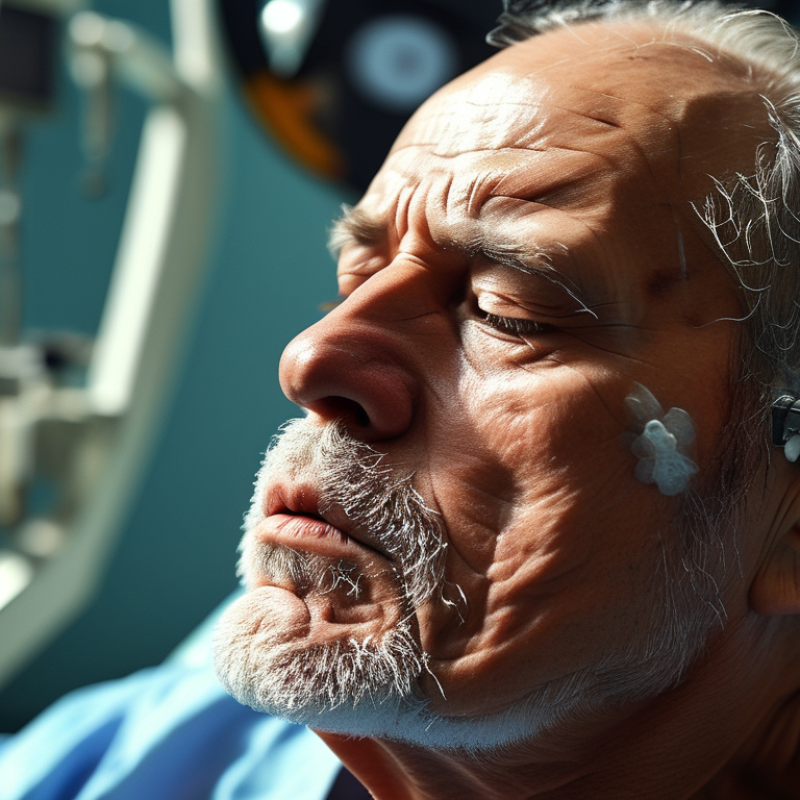
7 Tips on How Weight Affects Orthopedic Surgery?

Tip 1: Use BMI and Waist Measures; WHO 2022 Links Obesity to 1 in 8 People

Tip 1: Use BMI and waist measures.

WHO’s 2022 data reports that about one in eight people worldwide lived with obesity. That equals more than one billion adults. This matters in orthopedic surgery because excess body fat can increase pressure on joints, complicate positioning, and raise risks during recovery. BMI offers a quick screening tool, but it is not a complete health assessment.

Waist measurement adds useful context. Abdominal fat may influence inflammation, mobility, breathing, and wound healing. However, waist thresholds differ by sex and population. Clinicians should record both measures, then review blood pressure, glucose control, fitness, and previous surgical history. A number never tells the whole story.

Tip 1 in practice:

measure BMI and waist circumference during the preoperative visit. The World Health Organization recommends BMI as a population-level measure, while clinical judgment remains essential. Research in orthopedic journals also links severe obesity with higher complication rates after joint replacement, including infection and revision surgery. Yet the evidence is not perfectly uniform. Some patients with higher BMI recover well, while leaner patients may have hidden metabolic risks. That limitation deserves honest discussion. Weight goals should be realistic, medically supervised, and connected to safer movement, nutrition, and rehabilitation—not treated as a pass-or-fail test.

Tip 2: Check Comorbidities; AAOS Flags BMI ≥40 as a Major Surgical Risk

A body mass index of 40 or higher deserves careful surgical planning. Orthopedic guidance identifies this level as a major risk threshold, not an automatic reason to refuse surgery. Excess weight can increase anesthesia difficulty, wound tension, infection risk, blood clots, and implant stress. A national surgical database analysis reported higher complication rates among patients with severe obesity, especially after joint replacement procedures. (American College of Surgeons National Surgical Quality Improvement Program data)

BMI is only one measurement. Check diabetes, sleep apnea, high blood pressure, heart disease, liver disease, and nicotine use. Poorly controlled blood sugar can delay healing. Untreated sleep apnea may complicate breathing after anesthesia. A 2023 national health survey found that about 40% of U.S. adults had obesity, making this a common surgical concern. (National Center for Health Statistics, 2024 report)

Ask for recent glucose testing, medication review, walking capacity, and sleep-apnea screening. Small changes matter. Weight reduction may help, but the safest target differs by patient. I used to think BMI alone explained risk. It does not. A person with stable conditions may recover better than someone with a lower BMI and uncontrolled diabetes. Surgical decisions should balance urgency, mobility, nutrition, and realistic preparation time.

Tip 3: Optimize Weight First; AAHKS Supports Weight-Loss Targets at BMI ≥40

Tip 1

Understand the risk before choosing a surgical date. Higher body weight can increase wound problems, infection, blood clots, and implant stress after joint replacement. A 2023 clinical practice guideline from the American Association of Hip and Knee Surgeons notes that these risks rise notably when BMI reaches 40 or higher. BMI is useful, but imperfect.

Tip 2

Discuss a measurable plan with your care team. The plan may include protein-rich meals, fewer sugary drinks, supervised activity, and treatment for sleep apnea or diabetes. A 2022 analysis of National Surgical Quality Improvement Program data found that severe obesity was linked with higher complication rates after major orthopedic procedures. Numbers guide decisions; they do not replace judgment.

Tip 3

Optimize weight first when BMI is 40 or above. The AAHKS supports weight-loss targets before elective joint replacement in this range, especially when other medical risks are present. Even modest loss may improve blood pressure, mobility, and surgical readiness. Set a realistic milestone.

Not a punishment.

A dietitian, surgeon, and primary-care clinician can create safer targets. Avoid crash dieting. It may reduce muscle, delay recovery, and make the patient weaker before surgery. Still, weight loss is not the only answer. Some patients cannot reach a preferred BMI despite sustained effort. Their pain, function, nutrition, and medical stability deserve careful review. Evidence supports risk reduction, but it does not justify automatic exclusion.

Tips 4–5: Anticipate Infection and Revision Risks; Higher BMI Raises Both

Tip 4: Anticipate infection risk. Higher body mass index (BMI) can complicate orthopedic surgery before the incision is made. Thicker soft tissue may reduce oxygen delivery and make wound monitoring harder. Longer operations can also increase exposure to infection. Surgical teams often review blood sugar, skin condition, nutrition, and mobility. A small drainage spot matters. Fever, spreading redness, or worsening pain requires prompt medical contact. BMI is important, but it does not describe the whole patient.

Tip 5: Discuss revision risk openly. Greater body weight can place higher forces on a healing joint or implanted structure. This stress may contribute to loosening, wear, instability, or another operation. Recovery can also be slower when walking is difficult. A surgeon may adjust rehabilitation goals and recommend suitable weight management support. These choices should be personal, practical, and medically supervised.

Risk estimates are not crystal balls. A lower BMI does not guarantee a smooth recovery, and a higher BMI does not make success impossible. That distinction matters. Patients should ask how their weight affects wound care, movement, equipment, and follow-up visits. In real practice, small preparation steps can be overlooked. Better questions may prevent avoidable surprises.

Tips 6–7: Build a Safer Recovery Plan; CDC Recommends 150 Minutes Weekly

Tip 6: Build a safer recovery plan before orthopedic surgery. Body weight can affect anesthesia, wound healing, mobility, and joint stress. A large analysis from the American College of Surgeons’ National Surgical Quality Improvement Program linked obesity with higher postoperative complication risks in several orthopedic procedures. The risk is not identical for every patient. Age, diabetes, sleep apnea, nutrition, and fitness also matter.

Ask your surgical team for specific targets. These may include blood-sugar testing, medication review, protein intake, walking goals, and home safety changes. Practice using crutches or a walker before surgery. Clear loose rugs. Put a stable chair near the bathroom. Small details matter. I have seen recovery plans fail because they assumed motivation would replace preparation.

Tip 7: Follow the CDC recommendation of at least 150 minutes of moderate activity weekly, when medically cleared. Add muscle-strengthening activity on two days if your clinician approves. The CDC’s National Health Statistics Reports found that 40.3% of U.S. adults had obesity during August 2021–August 2023, showing why weight-related surgical planning remains important. Start gently: ten-minute walks after meals can build consistency. Pain, swelling, or breathlessness requires attention, not bravado. The goal is not rapid weight loss. It is safer movement, stronger muscles, and better control before and after surgery. Some weeks will be imperfect. Adjust the plan with your care team.

FAQS

Why should BMI and waist circumference be checked before orthopedic surgery?

BMI provides a quick screening estimate. Waist circumference adds information about abdominal fat. Neither number tells the whole story. Together, they support better planning.

Does a high BMI automatically prevent orthopedic surgery?

No. A BMI of 40 or higher signals increased risk and needs careful planning. It is not an automatic refusal. Urgency, mobility, health conditions, and preparation time also matter.

What complications may be more likely with severe obesity?

Extra body weight can increase anesthesia difficulty, wound tension, infection, blood-clot, and implant-stress risks. Positioning may also become harder. Risk differs between patients.

Which health conditions should be reviewed before surgery?

Discuss diabetes, sleep apnea, high blood pressure, heart disease, liver disease, nutrition, and nicotine use. Poor glucose control may delay wound healing. Untreated sleep apnea can affect breathing after anesthesia.

Is BMI enough to predict surgical recovery?

No. BMI is useful but incomplete. A patient with stable health conditions may recover better than someone with lower BMI and uncontrolled diabetes. I once underestimated that difference.

What practical preparation can make recovery safer?

Ask about glucose testing, medication changes, protein intake, walking goals, and home safety. Practice with crutches or a walker before surgery. Remove loose rugs. Place a stable chair near the bathroom.

How much physical activity may help before and after surgery?

When medically cleared, aim for at least 150 minutes of moderate activity weekly. Add muscle-strengthening exercises on two days if approved. Begin gently. Ten-minute walks after meals can build consistency.

Should weight loss be the main goal before orthopedic surgery?

The goal should be safer movement, stronger muscles, better nutrition, and improved medical control. Rapid weight loss is not always suitable. Some weeks will be imperfect. Adjust the plan with your care team.

Conclusion

How does weight affect orthopedic surgery? Body weight can influence every stage of treatment, from surgical planning to long-term recovery. Body mass index and waist measurements provide useful indicators, but they should be considered alongside overall health and physical condition. Higher weight may be associated with conditions such as diabetes, high blood pressure, sleep-related breathing problems, and heart disease, all of which can increase surgical risks. In particular, very high BMI may require careful evaluation and, when appropriate, weight reduction before surgery.

Excess weight can also place additional stress on joints and implants, while increasing the likelihood of infection, wound complications, delayed healing, and revision procedures. A safer recovery plan may include nutrition guidance, gradual weight management, strength and mobility exercises, and a goal of at least 150 minutes of suitable weekly activity when medically safe. Individualized planning with a qualified healthcare team helps balance surgical benefits, risks, and realistic recovery goals.

Amelia

Amelia

Amelia is a seasoned marketing professional with a wealth of expertise in our company’s core offerings. With an unwavering passion for driving growth and innovation, she plays a pivotal role in shaping our marketing strategies and enhancing brand visibility. A key aspect of her responsibilities......