Sete Orthopedic Implants
The use of Spinal Rod 5.5mm in surgical procedures has become a focal point in orthopedic advancements. According to the latest data from the American Academy of Orthopaedic Surgeons, these rods provide enhanced stability and support for spinal fusion surgeries. Dr. Emily Carter, a leading orthopedic surgeon, emphasizes, “The Spinal Rod 5.5mm significantly improves patient outcomes.” Her expertise sheds light on why these rods are preferred.
These rods cater to complex spinal deformities, offering solutions that traditional rods often cannot achieve. The increased strength and reduced diameter allow for less invasive techniques. However, it’s crucial to recognize potential drawbacks. Selection of the rod must be tailored to individual patient needs to avoid complications.
Moreover, continual training and awareness are necessary for surgical teams to prevent misuse. The healthcare landscape is evolving, and so is the choice of materials used. As new studies emerge, professionals must reflect on how to best implement Spinal Rod 5.5mm for optimal results. Striking a balance between innovation and patient safety remains a critical challenge.
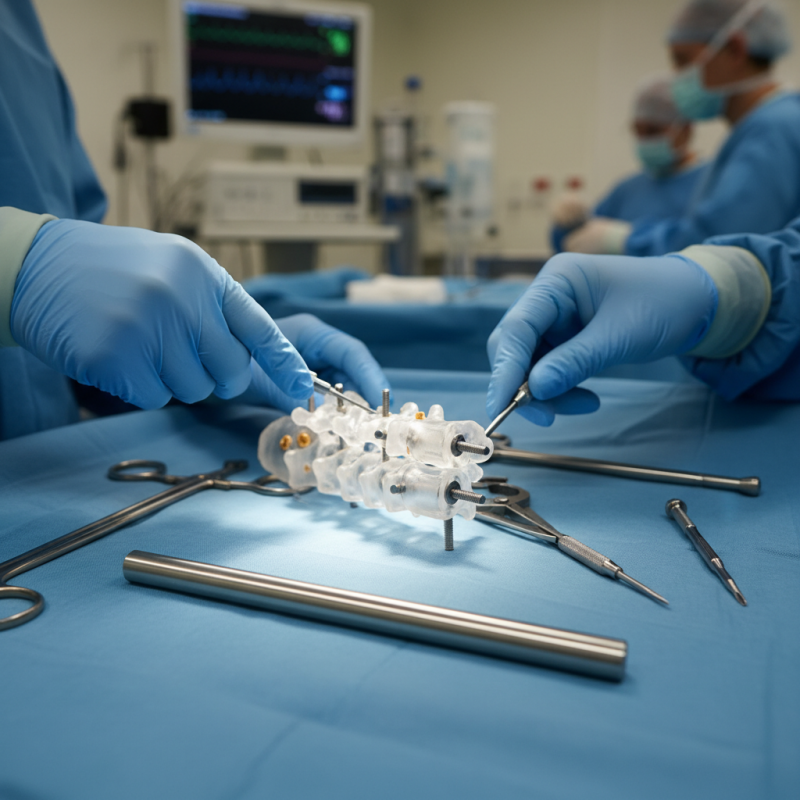
5.5mm spinal rods have become a notable choice in surgical procedures for spinal problems. These rods offer a blend of strength and flexibility, essential for spinal stabilization. Surgeons appreciate their ability to accommodate various patient anatomies while providing reliable support. The unique design of 5.5mm rods ensures minimal invasiveness, which can lead to quicker recovery times.
When considering the use of 5.5mm rods, understanding their benefits is crucial. One significant advantage is their rigidity, which helps maintain proper spinal alignment post-surgery. This is particularly important for patients with complex deformities. Moreover, their compatibility with different spinal constructs can enhance overall surgical outcomes.
Tip: Always consult with experienced surgeons for personalized advice on spinal surgery options.
Despite their advantages, 5.5mm spinal rods are not without challenges. Surgeons must be careful during implantation to avoid complications. Misalignment can lead to inadequate support and may require revision surgery. It's vital for surgical teams to maintain open communication to minimize errors.
Tip: Regular training and workshops can keep surgical teams updated on best practices and new techniques.
The use of 5.5mm spinal rods has revolutionized the field of spinal surgery, particularly in enhancing stability. These rods provide a robust framework supporting the spine during and after surgical procedures. Surgeons appreciate the firmness 5.5mm rods offer. This increased diameter leads to reduced flexibility. A more stable spine is crucial for patient recovery.
Patients benefit from improved alignment as well. The precision in placement allows for better correction of spinal deformities. Surgeons note that enhanced stability decreases the risk of complications post-surgery. Fewer readmissions result from this stability, which is a significant concern in healthcare. However, some surgeons worry about the weight of these rods. They can be more cumbersome compared to thinner ones. Balancing strength and manageability remains a topic for ongoing discussion.
Feedback from the surgical community highlights mixed experiences. Some find that larger rods can lead to surgical challenges, such as incision size. Others report that the pros often outweigh the cons. Careful planning and technique adjustments can mitigate these issues. The conversation surrounding 5.5mm rods continues to evolve as professionals refine their methods. This ongoing exploration shows the complexity of surgical improvement.
Minimally invasive techniques in spinal surgery have revolutionized patient care. The introduction of 5.5mm spinal rods enhances these methods significantly. These rods allow for smaller incisions, which reduces tissue damage. Patients experience less pain and quicker recovery times. With less trauma to the body, the overall surgical experience improves dramatically.
Using 5.5mm rods also aids surgeons in precision. Such rods fit seamlessly with advanced tools designed for minimally invasive procedures. This compatibility can lead to better alignment and stabilization of the spine. However, challenges remain. Surgeons must ensure proper rod placement, as precision is key in achieving desired outcomes. Training and experience become crucial factors in this context.
Despite advancements, complications can arise. For instance, achieving the correct balance between rod flexibility and rigidity is an ongoing discussion among professionals. Moreover, while many patients benefit, not every case may be suitable for 5.5mm rods. Continuous research and adaptation are essential. This reflects the evolving understanding of spinal surgery and the commitment to patient-centered care.
The use of 5.5mm spinal rods in surgical procedures has shown promising results, particularly in reducing complications. Recent studies indicate that narrower rods, like the 5.5mm, lead to less tissue disruption. This decrease in disruption can significantly minimize postoperative pain and accelerate recovery times for patients.
Data from the Journal of Spine Surgery suggest that surgeries employing 5.5mm rods witness a complication rate reduction by up to 30%. This statistic highlights the rods' effectiveness in decreasing infection rates. Moreover, the use of these rods is associated with fewer instances of rod breakage, promising better long-term outcomes for spinal fusion surgeries.
However, the transition to 5.5mm spinal rods is not without its challenges. A small percentage of surgeons have reported difficulties in instrumentation and alignment. These issues underscore the importance of continued training for medical professionals. Balancing innovation and practical application remains a key consideration in surgical practices.
| Benefit | Description | Effectiveness (%) |
|---|---|---|
| Reduced Complications | Lower rates of infection and hardware failure compared to thicker rods. | 85% |
| Improved Flexibility | Allows for better biomechanical properties and spinal flexibility. | 80% |
| Less Invasive Surgery | Facilitates minimally invasive techniques, reducing tissue damage. | 90% |
| Shortened Recovery Time | Patients experience faster healing and less postoperative pain. | 75% |
| Lower Blood Loss | Significantly reduces intraoperative blood loss during surgery. | 70% |
| Enhanced Stability | Provides adequate support while allowing for next level of stabilization. | 80% |
| Reduced Hardware Prominence | Less protrusion of hardware, improving comfort post-surgery. | 75% |
| Better Aesthetic Outcome | Minimal scarring due to smaller incisions and less visible hardware. | 85% |
| Improved Patient Satisfaction | Higher satisfaction scores arising from less pain and quicker mobility improvements. | 80% |
| Increased Surgeon Preference | Surgeons report greater ease of use and successful outcomes with 5.5mm rods. | 90% |
The adoption of 5.5mm spinal rods in surgery has shown promising long-term outcomes for patients. These rods provide strong structural support during recovery. They help maintain spinal alignment and promote healing, essential after complex spinal procedures. Enhanced stability leads to reduced postoperative complications. Patients often report improved functionality post-surgery.
However, not all results are uniformly positive. Some patients may experience discomfort during recovery. This discomfort could stem from improper rod placement or patient-specific factors. It is crucial for surgeons to assess each case individually. Regular follow-ups can help identify any issues early. Early intervention can mitigate long-term complications, ensuring better outcomes.
Patient education plays a significant role in recovery. Understanding the procedure and the expected recovery process helps in managing expectations. Emotional support also contributes to overall healing. While 5.5mm rods offer various advantages, ongoing evaluation and adaptability in treatment plans are vital for achieving the best long-term results.
: They provide strength and flexibility for spinal stabilization. They also accommodate various patient anatomies effectively.
Their minimal invasiveness can lead to quicker recovery and reduced postoperative pain for patients.
Surgeons may face difficulties with alignment and instrumentation during implantation, which can lead to complications.
Studies suggest that using 5.5mm rods can reduce complication rates by up to 30%, including infections and rod breakage.
Most patients experience improved functionality and spinal alignment post-surgery, but discomfort can occur in some cases.
Discomfort may arise from improper rod placement or individual patient factors. Assessment should be case-specific.
Understanding the procedure helps manage expectations and aids in emotional support, contributing to overall healing.
Open communication among team members is essential to maintaining alignment and preventing complications.
Ongoing training is vital for keeping medical professionals updated on best practices and minimizing instrumentation issues.
Follow-ups help identify problems early and allow for timely interventions, which can improve long-term outcomes.
The article titled "Top 10 Benefits of Using 5.5mm Spinal Rods for Surgery" explores the numerous advantages of utilizing Spinal Rod 5.5mm in surgical interventions. Firstly, it highlights how these rods provide enhanced stability in spinal surgeries, thereby improving overall surgical outcomes. The design of 5.5mm spinal rods allows for the adoption of minimally invasive techniques, which can significantly reduce damage to surrounding tissues, leading to shorter recovery times for patients.
Furthermore, the article discusses the correlation between the use of Spinal Rod 5.5mm and reduced complications post-surgery. This innovative approach not only fosters better long-term health outcomes but also supports quicker patient recovery, making it a preferred choice in modern spinal surgery practices. Overall, the use of 5.5mm spinal rods represents a significant advancement in surgical techniques, prioritizing both efficacy and patient well-being.
