Sete Orthopedic Implants Sete Orthopedic Implants

2026 Best Revision Surgery for Orthopedic Implants Guide?

Time:2026-05-05 Author:Oliver
0%

Revision surgery for orthopedic implants is a critical procedure. What is revision surgery for orthopedic implants? It addresses complications from previous surgeries. These can include infection, implant failure, or chronic pain. The goal is to restore function and alleviate discomfort.

Choosing the right approach for revision surgery involves multiple factors. Surgeons must evaluate the patient’s history and the condition of the existing implant. This process can be complex. It requires careful planning and expertise. Patients might face multiple surgeries. Each has its risks and challenges.

Understanding the nuances of revision surgery is essential. Every case is unique, requiring tailored solutions. Patients should seek experienced orthopedic specialists. Reliable information helps in making informed decisions. The journey through revision surgery is not always smooth. Reflecting on the challenges is crucial for success.
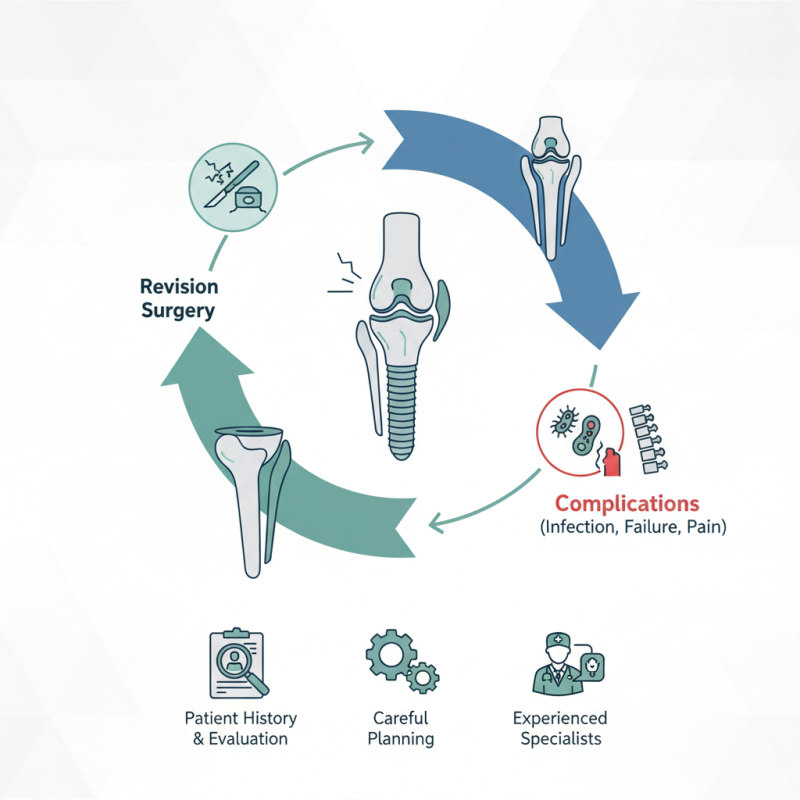
2026 Best Revision Surgery for Orthopedic Implants Guide?

Overview of Revision Surgery for Orthopedic Implants

Revision surgery for orthopedic implants is a complex procedure aimed at correcting or replacing previously placed implants that have failed. This type of surgery can be prompted by various issues, such as infection, loosening of the implant, or wear and tear over time. Surgeons must evaluate each case based on factors like the patient's age, activity level, and the specific reasons for the revision. Understanding these nuances is critical for successful outcomes.

The procedure often involves removing the old implant and addressing any underlying issues, such as bone loss. Surgeons may use advanced imaging techniques to assess the condition of the bone. This helps them to plan the surgery more effectively. However, it is important to recognize that not all revisions are straightforward. Sometimes, complications can arise, and additional surgeries may be needed. The patient’s healing process can also be unpredictable, requiring ongoing evaluation and adaptation of treatment plans.

Patient involvement in the decision-making process is key. Discussions about risks, benefits, and alternative treatments should happen early on. Each individual’s situation is unique, and an open dialogue with healthcare professionals is essential. Transparency about potential outcomes helps set realistic expectations. This multifaceted approach is vital for improving the overall success of revision surgeries in orthopedic care.

Common Indications for Revision Surgery in Orthopedic Patients

Revision surgery in orthopedic patients is often unavoidable. Statistics indicate that nearly 10% of hip and knee replacements require revision within 10 to 15 years. Common reasons include implant failure, infection, and instability. Infections alone account for about 30% of revision cases. Patients with diabetes or obesity are at a higher risk for these complications.

Implant wear is another major concern. Over time, the materials can degrade, leading to pain and decreased mobility. Studies show that polyethylene wear rates can reach critical levels, contributing to the need for revisions. Additionally, misalignment during the initial surgery can cause long-term issues, often leading to a need for corrective procedures.

Patient education about these risks is essential but often neglected. Many patients lack awareness about the potential for implant failure. This gap in knowledge can lead to fear and anxiety. Proper follow-up care can catch issues early, improving patient outcomes. It's clear that while orthopedic implants are life-changing, ongoing scrutiny and patient engagement are vital in ensuring their success.

Step-by-Step Process of Revision Surgery Procedures

Revision surgery for orthopedic implants is a complex process that requires careful planning. Understanding the step-by-step procedures can help both patients and healthcare professionals navigate this journey. Initially, a thorough evaluation is necessary. This may involve imaging studies and consultations to assess the current state of the implant and surrounding tissue.

Once the assessment is complete, the next step is to discuss potential complications. Surgeons often face challenges like infection or bone loss. Patients should be aware that these issues may affect the surgery's outcome. After all concerns are addressed, the surgical intervention can begin. This step involves removing the old implant and preparing the site for a new one. Techniques may include bone grafting to ensure stability.

Recovery from revision surgery varies significantly. Patients might experience pain and mobility restrictions. Physical therapy plays a crucial role in rehabilitation. It's essential to maintain open communication with the healthcare team throughout this process. Each case is unique, and what works for one patient may not work for another. Reflection on individual experiences can provide valuable insights for future procedures.

2026 Best Revision Surgery for Orthopedic Implants Guide

Surgery Type Indications Procedure Steps Recovery Time Complications
Knee Revision Failed knee replacement, infection, loosening Anesthesia, incision, removal of old implant, bone preparation, insertion of new implant, closure 3-6 months Infection, blood clots, implant failure
Hip Revision Loosening, dislocation, infection Anesthesia, incision, removal of old components, reconstruction of bone if needed, placement of new components, closure 2-5 months Dislocation, nerve injury, blood loss
Shoulder Revision Pain, instability, rotator cuff tears Anesthesia, incision, removal of old prosthesis, assessment of bone structure, placing new prosthesis, closure 4-6 months Instability, stiffness, vascular complications

Potential Risks and Complications of Orthopedic Revision Surgery

Orthopedic revision surgery is a complex procedure. It involves replacing or repairing an implant when the original fails. While these surgeries can alleviate pain and restore function, they carry potential risks. Common complications include infection, blood clots, and implant failure. Surgeons must carefully assess each patient's individual case to minimize these risks.

Infection is a significant concern. It can occur at the surgical site, leading to severe complications. To reduce this risk, ensure you follow all pre-operative and post-operative care instructions. Maintaining proper hygiene and attending follow-up appointments is crucial.

Another complication is blood clots. These can form when you remain immobile after surgery. Engaging in light activity, as recommended by your doctor, can help. Always listen to your body, but try to move safely within the limits given by your healthcare provider. Understanding these risks can lead to better outcomes in your orthopedic journey.

Postoperative Care and Rehabilitation After Revision Surgery

Postoperative care after orthopedic revision surgery is crucial for recovery. Patients often feel pain and swelling initially. It’s common to have a limited range of motion. Following the surgeon's advice is essential during this phase.

Rehabilitation should begin as soon as approved by the medical team. Physical therapy helps regain strength and flexibility. Simple exercises can prevent stiffness. Walking, even short distances, aids circulation. It's important to listen to your body. Pushing through severe pain can hinder recovery.

Nutrition plays a key role in healing. A balanced diet supports tissue repair. Staying hydrated is also important. Patients should attend all follow-up appointments. This allows for monitoring recovery progress. Communication with healthcare providers is vital. It can be easy to overlook signs of complications but remaining vigilant can promote better outcomes.

2026 Best Revision Surgery for Orthopedic Implants - Postoperative Care and Rehabilitation

FAQS

: What is revision surgery for orthopedic implants?

: It is a procedure to correct or replace failed implants due to issues like infection or loosening.

Why might someone need revision surgery?

Common reasons include implant failure, infection, wear and tear, or bone loss related to the implant.

How do surgeons plan for revision surgery?

Surgeons use advanced imaging techniques to assess the condition of the bone before surgery.

What complications can arise during revision surgery?

Potential complications include infection, blood clots, and further implant failure.

How can I reduce the risk of infection after surgery?

Follow all care instructions, maintain hygiene, and attend follow-up appointments diligently.

Is the healing process predictable after revision surgery?

No, healing can be unpredictable, requiring constant evaluation and possible treatment plan adjustments.

How involved should I be in the decision-making process?

Patients should engage in discussions about risks, benefits, and alternative treatments early on.

What should I expect regarding recovery?

Recovery can vary widely and may involve light activity as advised by your healthcare provider.

Can complications lead to more surgeries?

Yes, sometimes complications arise that may necessitate additional surgical procedures.

How important is transparency with healthcare professionals?

It is crucial for setting realistic expectations about potential outcomes and improving overall success.

Conclusion

Revision surgery for orthopedic implants refers to the surgical procedures undertaken to correct or replace previously implanted orthopedic devices. This type of surgery is typically indicated for various reasons, such as implant failure, infection, or significant joint instability. The step-by-step process of revision surgery usually involves careful assessment of the patient’s condition, removal of the faulty implant, and placement of a new device, tailored to the individual's anatomical and functional needs.

Potential risks and complications associated with orthopedic revision surgery include infection, blood clots, and the possibility of further complications related to healing. Postoperative care and rehabilitation play a crucial role in the recovery process, focusing on restoring function and reducing pain. Overall, understanding what revision surgery for orthopedic implants entails is essential for patients considering this procedure, as it can significantly influence their quality of life.

Oliver

Oliver

Oliver is a seasoned marketing professional with a wealth of expertise in driving brand awareness and engagement. With a deep understanding of our company's product offerings, he consistently delivers high-quality content that enriches our professional blog. His insights not only shed light on......