Sete Orthopedic Implants
Orthopedic implants play a crucial role in restoring mobility and alleviating pain for countless patients. However, the alarming rate of implant failure raises critical questions. What causes orthopedic implant failure? Understanding these reasons can help mitigate risks and enhance patient outcomes.
Several factors contribute to implant failure. Patient-related variables, such as age and health conditions, significantly impact the longevity of orthopedic devices. Additionally, surgical techniques and the quality of materials used in implants are pivotal. Complications can arise from infection, improper positioning, or wear and tear.
Preventative measures are vital for success. Regular follow-ups and appropriate rehabilitation can significantly improve outcomes. Technology advancements also offer new solutions, but challenges persist. Continual learning and adaptation in surgical practices can lead to better results. Exploring these factors holistically helps ensure that the benefits of orthopedic implants outweigh the risks.
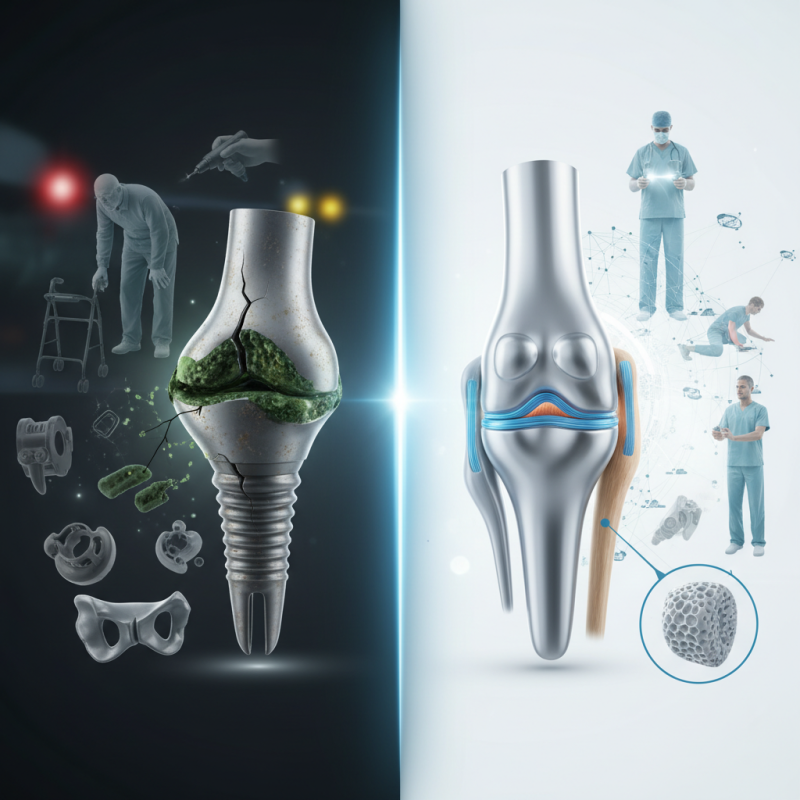
Orthopedic implant failure can stem from various factors. Understanding these causes is vital for healthcare professionals and patients alike. Mechanical issues often play a significant role. Implants may loosen or break due to abnormal stress or wear. This is particularly true in high-impact activities or in patients with specific anatomical differences.
Infections represent another critical cause of failure. Bacterial contamination can lead to chronic inflammation. This situation complicates treatment and may necessitate further surgeries. Maintenance of strict sterile techniques during the procedure is essential. Additionally, adherence to post-operative care guidelines is crucial.
Patient factors also contribute to implant success. Conditions like diabetes or obesity can impair healing. Psychological aspects, such as compliance with rehabilitation, should not be overlooked. Regular follow-ups are necessary for monitoring the implant's condition and addressing any concerns early. Awareness of these factors encourages preventive strategies and better outcomes in orthopedic procedures.
Orthopedic implants can fail for various reasons. Each type of implant has specific failure mechanisms. For instance, metal implants may experience fatigue failure due to repetitive stresses in the body. This can lead to fractures or loosening over time. The materials used, such as titanium and stainless steel, can also corrode. Corrosion leads to adverse reactions in surrounding tissues.
Polymer implants, like those used in joint replacements, may wear down. This wear contributes to pain and inflammation. Additionally, ceramic implants can fracture under stress. Their brittleness is a noteworthy concern. It’s essential for surgeons to understand these mechanisms for effective patient care.
Prevention strategies include proper surgical techniques. Ensuring correct implant sizing is crucial. Regular follow-ups can help catch issues early. Patients should also adhere to rehabilitation protocols. Education about implant limitations is vital. This knowledge empowers patients to avoid high-impact activities that could compromise their implants. Engaging in a mindful recovery process can significantly affect long-term outcomes.
| Type of Orthopedic Implant | Common Failure Mechanisms | Preventive Measures |
|---|---|---|
| Total Hip Replacement | Wear and tear, component loosening, infection | Regular follow-up, proper sterilization, and material choice |
| Knee Prosthesis | Mechanical failure, instability, infection | Pre-operative planning, rehabilitation, and monitoring |
| Spine Fusion Device | Non-union, hardware failure, infection | Patient education, appropriate graft materials, careful surgical technique |
| Intramedullary Nails | Fracture healing issues, nail migration | Correct alignment, proper size selection, post-surgical care |
| Plate and Screw Systems | Breakage, loosening, infection | Proper surgical technique, selection of suitable materials, follow-up |
Orthopedic implant failure can stem from various risk factors. One major contributor is patient-related issues. Comorbidities such as diabetes or obesity increase the chance of complications. These conditions affect healing and may lead to infection. Additionally, poor nutrition can hinder recovery, impacting the implant's integration with bone.
Surgical technique plays a crucial role. A skilled surgeon can minimize risks associated with implant placement. Improper alignment or inadequate fixation can lead to early failure. Surgeons must ensure that implants are the right size and fit for the patient’s anatomy. Even slight miscalculations can lead to significant problems.
Another factor is material compatibility. Implants made from unsuitable materials can trigger immune responses. This can result in inflammation and implant loosening. Regular follow-ups are essential to detect early signs of failure. Patients should be informed about warning signs, such as increased pain or swelling around the implant, and should feel empowered to speak up about any concerns.
Orthopedic implant failure can significantly impact a patient’s quality of life. Recent studies indicate that failure rates can reach up to 10% within the first five years after surgery. Understanding how to prevent these failures is vital for better outcomes.
One crucial preventive measure is proper surgical technique. Surgeons must follow evidence-based protocols during implant placement to ensure optimal alignment and stability. A study published in the Journal of Orthopedic Research highlights that correct positioning reduces the risk of complications by 48%. Additionally, patient education plays a significant role. Patients should be informed about post-operative care and the importance of follow-up visits.
Material selection is also critical. Implants made from biocompatible materials tend to have lower failure rates. Research indicates that titanium and its alloys show superior performance compared to other metals. Monitoring implant performance over time is essential. Regular imaging and assessments can catch issues early. Each of these factors underscores the complexity of ensuring implant longevity and highlights areas for reflection and improvement in practices.
Post-surgical monitoring of orthopedic implants is essential. Research shows that improper monitoring can lead to complications. A study published in the Journal of Orthopedic Research reveals that nearly 15% of hip implants fail within ten years. This statistic underscores the need for continuous observation and assessment.
Routine check-ups are critical after surgery. Healthcare providers should conduct X-rays and blood tests to detect signs of implant failure early. Patients must be educated on the importance of reporting unusual symptoms like pain or swelling. Engaging patients in their recovery process yields better outcomes. A 2020 report indicated that patients involved in their care experience a 30% lower incidence of complications.
Maintenance strategies are equally vital. Regular physical therapy can help maintain joint function and improve mobility. However, adherence levels can vary greatly among patients. Data indicates that compliance rates for therapy can be as low as 50%. Understanding this barrier is crucial. Developing personalized exercise plans may foster better adherence and, ultimately, improve implant longevity. Effective communication and education can bridge the gap between healthcare professionals and patients.
: Failure rates can reach up to 10% within the first five years after surgery.
Correct positioning of implants can reduce complications by 48%, enhancing long-term outcomes.
Informed patients are more aware of post-operative care and the need for follow-up, leading to better results.
Biocompatible materials, particularly titanium and its alloys, show lower failure rates than many other materials.
Continuous observation can catch early signs of complications, reducing failure rates significantly.
Regular X-rays and blood tests help detect signs of implant failure, ensuring timely interventions.
Reporting unusual symptoms like pain or swelling can help healthcare providers address issues early.
Regular therapy maintains joint function, though adherence rates can be as low as 50%, which is concerning.
Tailoring plans to individuals may improve adherence, positively impacting implant longevity.
Effective communication between healthcare professionals and patients can enhance understanding and engagement.
Orthopedic implant failure is a significant concern in surgical practices, and understanding what causes orthopedic implant failure is crucial for improving patient outcomes. Key factors contributing to failure include material fatigue, infection, and biomechanical issues. Different types of orthopedic implants—such as screws, plates, and joint replacements—exhibit specific failure mechanisms that can be influenced by the patient's condition and activity level.
Preventive measures play a vital role in enhancing implant longevity. This involves careful patient selection, meticulous surgical technique, and robust post-surgical monitoring. Risk factors, including age, activity level, and pre-existing medical conditions, should be assessed to minimize the likelihood of complications. Additionally, ongoing maintenance strategies, such as regular imaging and check-ups, can help detect issues early, ensuring that orthopedic implants function effectively over time.
