 Sete Orthopedic Implants
Sete Orthopedic Implants
Sete Orthopedic Implants
The upcoming 139th Canton Fair will showcase innovative medical devices, including the Distal Femur Locking Plate. This advanced technology is vital in orthopedic surgery, offering stability for femoral fractures. It represents a leap in medical advancements, reflecting the fair's focus on advanced manufacturing.
Visitors can expect to encounter the Distal Femur Locking Plate among a myriad of cutting-edge products. The fair introduces AI capabilities, enhancing the search for suppliers with essential certifications. Attendees will quickly find relevant vendors and products with ease. This can significantly improve the efficiency of navigating the expansive exhibition area.
While the technology behind the Distal Femur Locking Plate may seem flawless, challenges remain in its widespread adoption. Educational efforts around its benefits and applications must continue. It is essential to ensure that healthcare professionals are fully trained in its use. This will ultimately enhance patient outcomes in surgical settings, making the fair a crucial platform for such discussions.
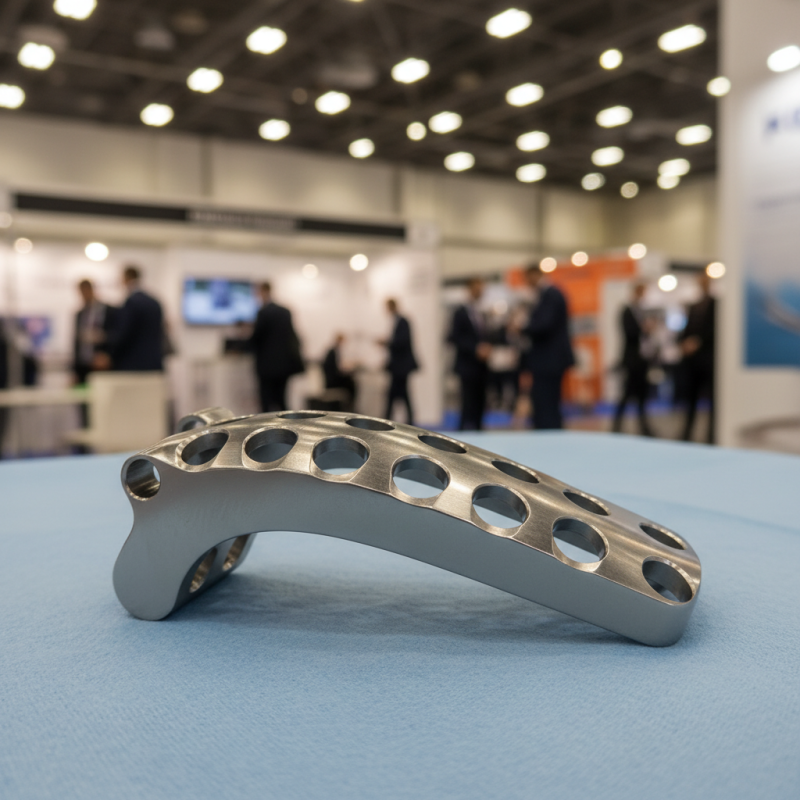
The Distal Femur Locking Plate is a key development in orthopedic technology. This device enhances stability for fractures in the femur's distal region. In recent years, the global orthopedic device market has grown impressively, projected to reach over $55 billion by 2027. This surge reflects the rising demand for advanced solutions like the locking plates.
One critical feature is the locking mechanism, which provides superior fixation compared to traditional plates. Research shows that this technology reduces the risk of complications, such as non-union. However, not all reviews are positive. Some surgeons report difficulties in insertion and alignment. Clinical data indicates that 15% of patients may experience post-operative complications.
The design of distal femur locking plates is also important. They come in various sizes and configurations. Customization is essential for patient-specific needs, yet this can complicate inventory management. In some cases, orthopedists noted a lack of awareness about best practices in utilizing this technology. It's vital for professionals to continuously upgrade their skills to avoid such pitfalls. This represents a crucial area for growth in the field of orthopedic surgery.
: They are used for stable fixation of distal femur fractures during orthopedic surgery.
They help achieve precise alignment, promoting better recovery and load distribution in the bone.
A locking mechanism prevents screw loosening and creates a strong bond with the bone.
Yes, they come in various sizes to suit different patient needs, allowing tailored treatment.
The surgical procedure can be complex, requiring skilled surgeons for proper placement.
No, not all cases are suitable, and some patients may experience complications.
Innovations included more user-friendly designs and lightweight, biocompatible materials for quicker recovery.
No, some designs lacked intuitive features, raising concerns among medical professionals.
Criticism was directed at the lack of attention to long-term wear issues in new products.
There's a learning curve to using locking plates effectively, making education vital for success.
The Distal Femur Locking Plate is an advanced orthopedic device designed to enhance the stabilization and healing of distal femoral fractures. This technology features a locking mechanism that improves the stability of the implant, allowing for better alignment and support during the healing process. Its key applications in orthopedic surgery include use in complex fractures, revision surgeries, and conditions requiring reinforced bone structure.
At the 139th Canton Fair, significant trends and innovations in the field of medical devices highlight the ongoing development in this area. The fair emphasizes not only the advantages of using Distal Femur Locking Plates, such as improved patient outcomes and reduced recovery time, but also the evolving technologies that aim to refine surgical techniques and enhance device efficacy. Overall, the exhibition serves as a platform for showcasing the future of orthopedic solutions.
