Sete Orthopedic Implants
Orthopedic implants play a crucial role in improving quality of life for many individuals. However, the durability of these devices can vary significantly. What affects the lifespan of orthopedic implants? Several factors contribute to this variability. Understanding these elements is essential for patients and healthcare providers alike.
One major factor is the material used in the implant. Titanium and stainless steel are common choices, but they perform differently under stress. The design of the implant also matters. Complex shapes can lead to stress concentrations that may cause failure over time.
Patient factors, such as age and activity level, further influence longevity. Younger, more active patients may put more strain on their implants. This strain can lead to earlier wear and potential failure. Attention to these details is necessary for better outcomes. Yet, many patients may not fully grasp how their choices affect the lifespan of the devices. Ongoing research and education are vital to enhancing the understanding of what affects the lifespan of orthopedic implants.
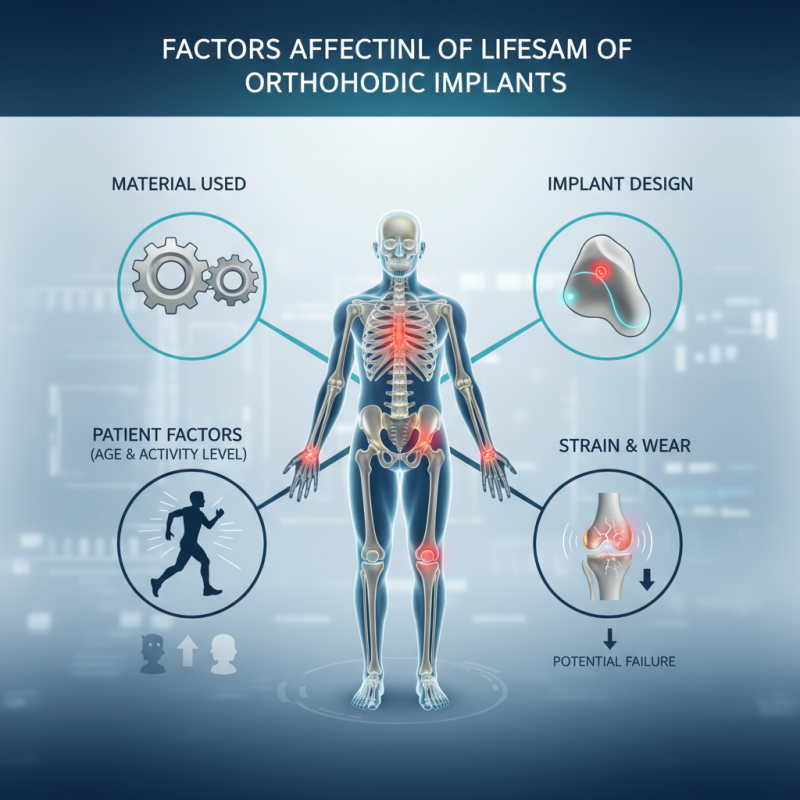
The selection of materials for orthopedic implants significantly influences their performance and lifespan. Factors such as biocompatibility, strength, and corrosion resistance are critical. According to data from the American Academy of Orthopaedic Surgeons, about 10% of implants fail within the first ten years. This shifts attention to how material choices affect durability.
Biomaterials like titanium and cobalt-chromium alloys are favored for their mechanical properties. These materials provide necessary strength and endure body movements. Research by the Journal of Biomechanics shows that surface treatments can further enhance implant longevity. However, the risk of wear debris from these materials raises concerns. Every modification introduces potential complications, requiring thorough testing and analysis.
Moreover, implant design and patient-specific needs add layers to material selection. For instance, porous titanium fosters bone ingrowth, improving stability. Yet, it may compromise the implant's load-bearing capacity. As noted in various studies, the trade-offs in material properties must be carefully navigated. Finding an ideal balance is an ongoing challenge in the orthopedic field.
Mechanical stress is a crucial factor influencing the longevity of orthopedic implants. Implants face various forces during daily activities. These forces can lead to wear and fatigue over time. The design and material of the implants play significant roles in their endurance under stress. Implants made from high-quality materials often resist fatigue better than those made from lesser-grade metals.
Impact forces during motions such as walking, running, or jumping create significant pressure on the implant. Some patients may not realize how their activity level affects the implant’s lifespan. High-impact sports can accelerate wear and result in failure. Yet, some softer movements may not exert enough stress to cause immediate issues.
Patients often overlook the importance of regular check-ups. Monitoring the condition of an implant can help identify potential problems early. Moreover, lifestyle choices, such as weight and physical activity, greatly influence stress levels on implants. It's vital to strike a balance between maintaining an active lifestyle and protecting orthopedic implants. Recognizing these factors can lead to better preventative care and improved implant longevity.
Corrosion resistance plays a crucial role in the longevity of orthopedic implants. When implants are inserted, they encounter various bodily fluids. These fluids can lead to corrosion over time. If an implant corrodes, it can weaken, leading to potential failure. This is particularly true with metallic implants, which are often more susceptible to corrosion than other materials.
Monitoring the corrosion resistance of implants is vital. Different materials behave differently in the body. For example, titanium and cobalt-chromium alloys are known for excellent corrosion resistance. Understanding these differences helps in choosing the right material for specific situations. However, even the best materials can have flaws. Surface treatments can enhance resistance but may not provide a complete solution.
Regular assessments of implants can help identify corrosion early. Strategies for improvement must include increased research into coating technologies. These coatings can add additional layers of protection against corrosion. While significant advances have been made, challenges remain in achieving optimal results. New techniques and ongoing research are necessary to ensure implant durability.
Patient factors significantly influence the lifespan of orthopedic implants. A patient's age can play a crucial role. Younger patients may put more stress on implants due to higher activity levels. In contrast, older patients, who may be less active, might experience longer-lasting results with their implants.
Another important factor is a patient's overall health. Conditions such as obesity can lead to increased wear on the implant. Weight management is essential for those with orthopedic devices. Additionally, chronic diseases, like diabetes, can impact the healing process and the success of the implant. A well-managed health condition often correlates with improved implant longevity.
The psychological aspect shouldn't be overlooked either. A patient’s attitude toward rehabilitation and follow-up care matters. Those who actively engage in physical therapy and adhere to medical advice tend to experience better outcomes. It’s clear that many personal factors intertwine, affecting how long orthopedic implants last in the body.
| Patient Factor | Impact on Implant Lifespan | Examples |
|---|---|---|
| Age | Older patients may experience a shorter lifespan due to reduced bone density. | Patients over 65 |
| Weight | Higher weight leads to increased stress on implants, possibly reducing lifespan. | Obesity (BMI > 30) |
| Activity Level | Highly active individuals may subject implants to more wear and tear. | Athletes |
| Comorbidities | Conditions such as diabetes can impair healing and contribute to complications. | Diabetes, osteoporosis |
| Smoking | Tobacco use can negatively affect bone healing and integration. | Current smokers |
Advanced coatings play a crucial role in the performance of orthopedic implants. Their primary function is to enhance biocompatibility and reduce wear. Reports indicate that implants with advanced coatings show a 30% increase in lifespan compared to those without. These coatings can protect against corrosion and improve bonding with bone tissue.
Recent studies emphasize the significance of applying nanotechnology in coatings. Nanostructured surfaces offer improved mechanical properties and decrease friction. This can lead to a reduction in wear particles, which are often the cause of inflammation and implant failure. Research has shown that simply switching to a nanocoated surface can extend the effective life of a hip implant by several years.
While there are promising advancements, challenges remain. Not all coatings adhere well to the implants, which can lead to delamination. Additionally, high production costs can hinder widespread adoption. The industry must navigate these hurdles to ensure longevity and reliability in orthopedic solutions. Continuous research efforts aim to refine these coating processes, pushing boundaries further.
: Common materials include titanium and cobalt-chromium alloys. These provide strength and durability for implants.
Corrosion resistance helps maintain implant strength over time. Implants can weaken if they corrode in the body.
Younger patients often exert more stress on implants, potentially reducing their lifespan compared to older patients.
Health conditions like obesity and diabetes can negatively affect implant wear and healing, impacting longevity.
Yes, surface treatments can enhance corrosion resistance and longevity, though they may also introduce new challenges.
A patient’s attitude towards therapy and care can significantly affect recovery and the lifespan of their implants.
Yes, conditions like obesity and high activity levels necessitate thoughtful consideration of implant materials.
Regular assessments and monitoring can help detect corrosion early, aiding in timely interventions.
Design elements, like porous structures, can improve stability but may affect load-bearing capacity.
Research can lead to better coatings that enhance corrosion resistance, thus improving implant durability over time.
The lifespan of orthopedic implants is influenced by several critical factors. Understanding what affects the lifespan of orthopedic implants starts with material selection, as the choice of biocompatible materials directly impacts both the mechanics and longevity of the device. Mechanical stress plays a significant role as well; implants subjected to high levels of stress may fail prematurely due to fatigue. Additionally, corrosion resistance is essential for maintaining the durability of implants in the physiological environment, where bodily fluids can accelerate wear.
Patient-specific factors, such as age, weight, and activity level, also contribute significantly to how long an implant will last. Lastly, advanced coatings can enhance the performance of orthopedic implants by providing additional protective layers that reduce wear and improve biocompatibility. By considering these elements, medical professionals can better predict and optimize the functional lifetime of orthopedic implants.
