Orthopedic implants play a crucial role in recovery from injuries and surgeries. However, as the body heals, patients may wonder, "Can orthopedic implants be removed?" The answer is yes, but the process requires careful consideration and expert guidance. Proper removal is essential to avoid complications and ensure optimal recovery.
Many patients face questions after their surgery. They may experience discomfort or uncertainty about the long-term need for their implants. Understanding the signs that indicate removal is necessary is vital. Factors include infection, pain, or mechanical failure of the implant. Each case is unique, requiring tailored assessments by orthopedic specialists.
Choosing to remove an implant is not a straightforward decision. Surgeons evaluate several factors, including the patient's overall health and the type of implant used. A collaborative approach involving the patient and the medical team is critical. This ensures informed decisions and addresses any concerns. Trusting experienced professionals in orthopedic care is the best way to navigate this complex process.
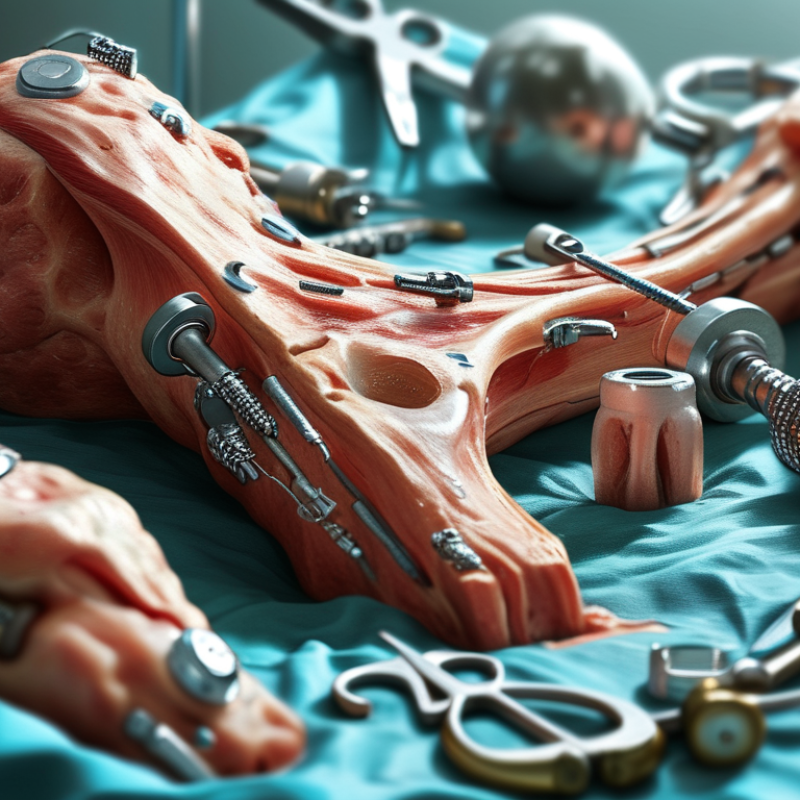
Understanding Orthopedic Implants: Types and Purposes
Orthopedic implants play a crucial role in modern medicine. They include devices such as pins, plates, and screws. Each serves a specific purpose. For instance, intramedullary nails stabilize fractures. According to the American Academy of Orthopaedic Surgeons, around 10 million people in the U.S. rely on these devices annually.
Different types of implants cater to diverse medical needs. Joint replacements help restore mobility. Spinal implants correct deformities or stabilize the spine. The success rate for these procedures is high, exceeding 90% in many cases. However, implants can lead to complications requiring removal. The challenges in removal include infection and hardware loosening.
Patients may feel anxious about the removal process. Understanding the types of implants can ease these fears. The risks associated with removal should not be overlooked. Patients need to discuss their options with orthopedic specialists. Each individual’s situation is unique, and implications vary. Exercise caution and consider all factors before proceeding.
Preparing for Implant Removal: Key Considerations and Consultations
Preparing for implant removal is a crucial step in ensuring safety and effectiveness. Consulting with healthcare professionals is essential. Studies show that pre-surgical assessments significantly reduce complications. According to the National Institutes of Health, proper consultations can lower the risk of surgery-related issues by up to 30%.
Patients should be aware of the necessary imaging tests. These tests help evaluate the implant's condition and surrounding tissues. It’s vital to discuss any previous surgeries or underlying conditions with your surgeon. This information can inform the removal strategy and enhance safety.
Tip: Always ask questions during consultations. Understanding your procedure is important for peace of mind.
Evaluating the type of implant is also important. Different implants require different removal techniques. It’s beneficial to consider the pain and recovery time associated with the procedure. Be open about your concerns and preferences.
Tip: Keep a journal of your symptoms. Documenting changes can guide your healthcare provider in making informed decisions.
Ultimately, open dialogue with your healthcare team leads to more informed choices and safer outcomes. The journey may feel overwhelming, but with the right preparation, you can enhance the removal process.
Step-by-Step Surgical Procedure for Safe Implant Removal
Orthopedic implant removal is a critical procedure performed when implants cause pain or complications. In 2022, the American Academy of Orthopaedic Surgeons reported that around 10% of patients require removal due to issues like infection or malalignment. Understanding the surgical steps can help alleviate patient anxiety.
The process begins with a thorough evaluation. Surgeons assess the patient's medical history and perform imaging studies. These steps ensure accurate planning. Anesthesia is administered to manage pain during the procedure. Surgeons make precise incisions to access the area around the implant. Care is taken to minimize damage to surrounding tissues.
Tips for a successful recovery include following post-surgical guidelines and attending follow-up appointments. Patients should keep incisions clean and notify their surgeon if complications arise. Staying active, as recommended, can enhance healing. It's vital to maintain open communication with healthcare providers throughout recovery.
While implant removal can lead to improvements, not every case is straightforward. There may be complications or adjustments needed during the process. Patients should have realistic expectations and discuss potential outcomes with their surgeon. This collaborative approach ensures informed decisions in managing their orthopedic health.
Post-Removal Care: Recovery and Management of Side Effects
Post-removal care is critical for ensuring a smooth recovery after orthopedic implant removal. Patients often experience pain and swelling, which can be managed effectively with a personalized care plan. Studies indicate that about 60% of patients report moderate pain post-surgery, often peaking within the first 72 hours. It's essential to follow your physician's advice regarding medications and ice application. Using ice packs can significantly reduce swelling and inflammation, but remember to apply them in 20-minute intervals.
Monitoring for side effects is equally crucial. Signs of infection, such as redness or fever, should not be overlooked. A 2021 report indicated that approximately 10% of patients experience some form of postoperative infection, which can lead to complications if not addressed promptly. Keeping the surgical area clean and dry is vital. Follow-up appointments are essential to track healing progress and address any concerns.
Engaging in gentle physical activity might be beneficial. However, research suggests that pushing too hard can lead to setbacks in recovery. It's a delicate balance between rest and rehabilitation. Listening to your body is important; if an activity causes pain, it’s essential to reevaluate your approach. Each patient's journey is unique, and what works for one might not work for another. Recovery involves patience and continuous evaluation of your response to care.
Potential Risks and Complications Associated with Implant Removal
Removing orthopedic implants is a significant procedure that carries potential risks and complications. Patients often experience pain, infection, and nerve damage during and after the surgery. These risks make it essential to discuss thoroughly with a healthcare professional prior to any decisions. Understanding the potential challenges can help prepare mentally and physically.
Infection is one of the most concerning complications. Signs include fever, redness, and swelling around the site. If untreated, it can lead to serious health issues. Patients should monitor their bodies closely after surgery. Regular follow-ups with your doctor are crucial. They can identify early signs of infection or complications.
Another potential risk is nerve damage, which may result in altered sensation or pain. Some complications may not be immediately noticeable and can affect daily life. Communicating openly with your healthcare provider about these risks is vital. They can recommend strategies to minimize complications and ensure a smoother recovery process. Prioritize recovery by resting and following post-operative instructions diligently.
Potential Complications Associated with Orthopedic Implant Removal
FAQS
: Orthopedic implants stabilize fractures, restore mobility, and correct deformities.
Approximately 10 million people in the U.S. use these devices each year.
Risks include infection, hardware loosening, and complications during the procedure.
It can reduce surgery-related complications by up to 30%.
Previous surgeries, underlying conditions, and specific concerns about the procedure.
It provides valuable information to healthcare providers for informed decision-making.
Follow post-surgical guidelines and keep incisions clean.
Yes, complications can occur, and adjustments may be needed during the procedure.
Understanding the procedure and discussing concerns can help alleviate anxiety.
Yes, outcomes may vary, and discussing potential results with a surgeon is crucial.
Conclusion
The article "2026 How to Remove Orthopedic Implants Safely?" provides a comprehensive guide on the process of safely removing orthopedic implants. It begins by detailing the various types of orthopedic implants and their specific purposes, helping readers understand why these devices are used in surgical procedures. Preparing for the removal involves important considerations and consultations with medical professionals to ensure the patient's readiness for surgery.
The article outlines a step-by-step surgical procedure that illustrates how orthopedic implants can be removed effectively. Post-removal care is also emphasized, focusing on the recovery process and management of any potential side effects. Additionally, potential risks and complications associated with implant removal are discussed, answering the crucial question: "Can orthopedic implants be removed?" This summary underscores the importance of having a thorough understanding before proceeding with the removal of such implants.
 Sete Orthopedic Implants
