An orthopedic implant can help restore movement, reduce pain, or support a damaged joint or bone. But the outcome depends on more than the device itself. The implant type, surgical technique, a person’s health, and rehabilitation all matter. For readers comparing China Best Orthopedic Implants, product quality and clinical suitability deserve closer attention than a country label or a broad “best” claim. Ask about the implant’s materials, intended use, evidence, and the surgeon’s experience with that specific procedure. Small details count, too: how a patient climbs stairs, sleeps, or manages a stiff knee after sitting can shape daily life.
Can you live a normal life with orthopedic implants? Many people return to work, exercise, travel, and familiar routines, though “normal” may look different during recovery. It varies. Progress can be uneven; a good morning may follow a difficult night. Follow-up visits, prescribed exercises, and clear guidance on activity limits help track healing and identify problems early. Implants also carry risks, including infection, loosening, wear, or continued pain, and no device can guarantee a particular result. Before choosing treatment, discuss expected benefits, alternatives, recovery time, and warning signs with a qualified orthopedic specialist. Their advice should reflect your diagnosis and goals, not just a product description. There is no perfect answer, and that deserves honest discussion.
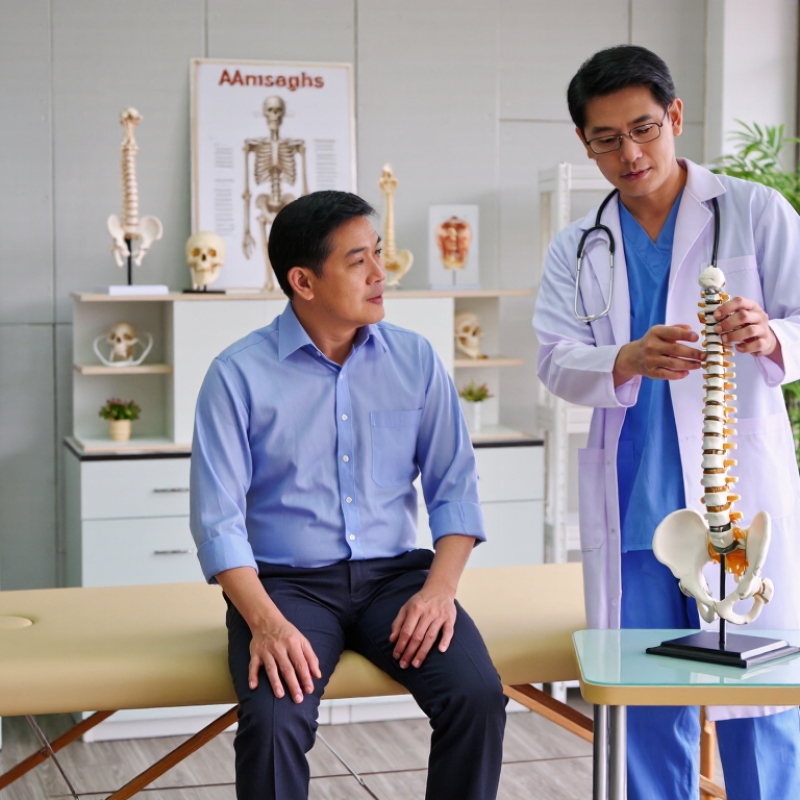
What Orthopedic Implants Are and How They Restore Joint Function
Orthopedic implants are medical devices placed in or around a joint. They can replace damaged surfaces, support bone, or hold tissues in position. Common examples include hip and knee replacements, often made from metal, ceramic, and medical-grade plastic. The choice depends on the joint, bone condition, anatomy, activity, and clinical assessment.
When cartilage wears away, bone may rub painfully during ordinary movement. In a hip replacement, shaped components create a smoother ball-and-socket joint. A knee implant replaces selected worn surfaces, helping the joint bend and bear weight. Movement takes time.
After surgery, muscles need to adapt and strengthen around the new joint. With rehabilitation, a person may gradually return to walking, climbing stairs, or rising from a chair. Many people resume familiar routines, though limits vary. Progress can wobble. Pain, swelling, or limited motion may persist, and recovery differs from person to person. An implant can improve function, but it does not recreate a natural joint or guarantee a pain-free life. Surgeons and therapists use symptoms, imaging, and physical checks to guide care and activity.
Common Orthopedic Implant Types Available in China
China Best Orthopedic Implants: Can You Live a Normal Life?
Common Orthopedic Implant Types Available in China
Orthopedic implants in China cover several common needs. Hip and knee replacements help treat severe joint damage and arthritis. A typical hip system has a stem, ball, and socket. Knee implants replace worn joint surfaces with metal and durable plastic components. The exact design depends on the patient’s anatomy and diagnosis.
For fractures, surgeons may use plates, screws, or intramedullary nails. Plates sit against the bone, while nails run inside its central channel. These devices hold broken bone pieces in position as healing occurs. Spinal implants, including screws and rods, can support selected procedures for spinal instability or deformity. Shoulder implants and small anchors are also used for certain joint and tendon conditions. Materials vary by device and may include titanium alloys, stainless steel, or specialized polymers.
Availability and suitability differ between hospitals and patients. An implant is not chosen by country alone. Surgeons consider bone quality, activity, allergies, and imaging findings. Recovery takes time. Physical therapy may begin with careful walking, simple home exercises, and regular follow-up visits. Many people return to everyday activities, but results vary, and some restrictions may remain. A product description cannot predict an individual outcome; that uncertainty deserves honest discussion with the treating orthopedic team.
China: Common Orthopedic Implant Types — Can You Live a Normal Life?
Many people return to everyday activities after orthopedic surgery, but recovery and long-term function depend on the condition, procedure, overall health, and rehabilitation. Bars count representative approaches listed here—not market share, procedure frequency, or expected outcomes.
Examples include total hip replacement and hemiarthroplasty; total and partial knee replacement; spinal fixation, interbody cages, and artificial discs; plates and screws, intramedullary nails, and external fixation; and anatomic and reverse shoulder replacement. Availability and suitability vary by hospital and patient.
How Surgeons Choose an Implant for Each Patient
Choosing an orthopedic implant is not a contest for the “best” device. Surgeons match it to the operation, the patient’s anatomy, and the demands of daily life. An X-ray or CT scan can show bone shape and help estimate the right size. Bone quality matters too, especially when fixation depends on the implant staying secure. Small details matter. Age, activity, other health conditions, and previous operations can all affect the choice. A person who walks on uneven trails may have different needs from someone seeking relief during short household walks. Not always.
When comparing implants made in China or elsewhere, a surgical team can review material specifications, manufacturing records, traceability, and relevant clinical evidence. Origin alone does not establish whether a device suits a particular patient. Surgeons also consider how the implant works with surrounding bone and tissue, and what complications or limitations may apply. Patients should ask why a proposed option fits their case, what alternatives exist, and how recovery may affect work or hobbies. These conversations can feel technical. It is reasonable to ask for plain-language answers. An implant may help support movement, but a normal life is not guaranteed; outcomes depend on the condition, surgery, healing, and rehabilitation.
China Best Orthopedic Implants Can You Live a Normal Life? - How Surgeons Choose an Implant for Each Patient
| Implant or Procedure |
Common Reason for Use |
How Surgeons Make a Choice |
Living With the Implant |
| Total hip replacement |
Severe hip pain and loss of function, often caused by advanced joint degeneration or certain fractures. |
The surgeon considers bone shape and quality, age, activity needs, diagnosis, and whether the implant can be securely fixed to bone. |
Many people return to everyday activities after rehabilitation. Recovery and permitted activities vary; high-impact activity may not be advised. |
| Total knee replacement |
Persistent pain and reduced mobility from advanced knee joint damage when non-surgical care is no longer adequate. |
Assessment includes leg alignment, ligament stability, bone condition, range of motion, symptoms, and overall health. |
Walking and daily tasks often improve with rehabilitation, but the knee may not feel exactly like a natural joint. Progress differs between patients. |
| Shoulder replacement |
Severe shoulder joint damage, including arthritis or complex fractures, that causes pain and limits arm function. |
The type of replacement depends in part on rotator cuff function, bone loss, fracture pattern, anatomy, and the patient's functional goals. |
Pain relief and useful arm movement may improve, but strength and reach depend on the underlying condition and rehabilitation. |
| Fracture fixation plates and screws |
Stabilizing selected broken bones so they can heal in a suitable position. |
Choice and placement depend on the fracture's location and pattern, bone quality, soft-tissue condition, and the stability needed for healing. |
Return to normal activities depends on bone healing and clinical guidance. Hardware may remain in place; removal is not routinely necessary in every case. |
| Spinal fixation screws and rods |
Supporting spinal stability in selected conditions, such as some fractures, deformities, or cases requiring fusion. |
The surgeon considers the affected levels, spinal alignment, bone strength, symptoms, imaging, and whether fusion is appropriate. |
Daily function may improve when treatment addresses the underlying problem, but recovery and activity limits depend on the procedure and healing. |
There is no single “best” implant for everyone. Implant choice is individualized after clinical assessment and imaging. A return to everyday life is possible for many patients, but outcomes, recovery time, activity guidance, and implant longevity vary. Discuss personal risks and options with a qualified orthopedic surgeon.
Recovery and Rehabilitation After Orthopedic Implant Surgery
Recovery after orthopedic implant surgery is not a straight climb.
The pace depends on the joint, procedure, overall health, and care plan. In the first days, swelling, stiffness, and fatigue can make a short walk feel like hard work. Follow your care team’s instructions for wound care, medication, and weight-bearing; restrictions vary.
Small steps matter.
A physical therapist may teach safe transfers, walker use, and gentle movements before activity increases. Keep pathways clear at home and place everyday items within easy reach.
Rehabilitation usually builds gradually.
Exercises may target range of motion, balance, and strength, with rest between sessions. A simple log of pain, swelling, and walking distance can help you and your clinician notice patterns. Some discomfort may occur, but worsening pain or new symptoms deserve attention.
Seek prompt medical advice for fever, increasing wound redness or drainage, one-sided calf swelling, or sudden breathlessness.
Progress is rarely perfectly even. A missed day does not erase gains, and comparing milestones with someone else can be misleading. Ask your care team when driving, work, or sports are safe; recovery depends on healing and function, not a calendar alone.
Daily Life and Long-Term Care With an Orthopedic Implant
Living with an orthopedic implant often means returning to ordinary routines, not avoiding movement. After surgery, follow your care team’s rehabilitation plan and increase activity gradually. A short walk, stairs, and household tasks may feel different at first. Recovery varies, and soreness does not always mean something is wrong. Still, new or worsening pain deserves medical advice.
Long-term durability matters, but no implant lasts forever. A 2019 Lancet systematic review estimated that:
82.3% of total knee replacements and 58.4% of total hip replacements lasted 25 years.
These figures combine registry and study data; they are population estimates, not personal guarantees. Age, activity, health, and implant type can affect an individual outcome. Real life is less tidy.
Keep follow-up appointments, maintain strength through clinician-approved exercise, and tell healthcare professionals about your implant before relevant procedures. Seek prompt assessment for sudden swelling, fever, wound changes, or a major drop in function. Keep a record of your operation and implant details. Small habits help. But long-term care is not a perfect checklist; plans may need adjustment as your body and needs change.
Conclusion
Orthopedic implants are medical devices designed to support, replace, or stabilize bones and joints, helping restore movement and reduce discomfort. In China, common options include hip and knee replacements, shoulder implants, plates, screws, and other devices used to repair or stabilize affected areas. Surgeons select an implant based on a patient’s condition, anatomy, activity level, and overall health, while also considering the treatment goals and expected demands on the joint.
Recovery usually involves a planned rehabilitation program, with gradual exercises to rebuild strength, flexibility, and confidence in movement. Can you live a normal life with orthopedic implants? Many people return to everyday activities after recovery, although the experience and timeline vary. Long-term care may include following medical advice, maintaining a suitable activity level, attending checkups, and seeking guidance if new pain or changes in function occur. With appropriate treatment and ongoing care, an implant can support greater mobility and independence.
 Sete Orthopedic Implants
