Sete Orthopedic Implants
In the field of orthopedic surgery, understanding "how are orthopedic implants inserted" is crucial for successful outcomes. Dr. Emily Carter, an esteemed orthopedic surgeon, states, "The precision in inserting implants can significantly influence a patient's recovery." This highlights the importance of technique and training in the surgical process.
Orthopedic implants, such as plates, screws, and prosthetic joints, are essential for repairing bones and joints. Surgeons must carefully plan each procedure. This involves assessing the patient's overall health and specific injury. The aim is to ensure the implant fits correctly and promotes healing.
Techniques for insertion vary based on the type of implant. Surgeons may use minimally invasive approaches or traditional open surgery. While advancements in technology enhance accuracy, they also introduce new challenges. Each procedure presents unique variables that require thoughtful consideration. Ongoing training and experience are vital for surgeons to navigate these complexities. Understanding "how are orthopedic implants inserted" is not just about the technology; it’s about the skill and judgment of the surgeon performing the procedure.
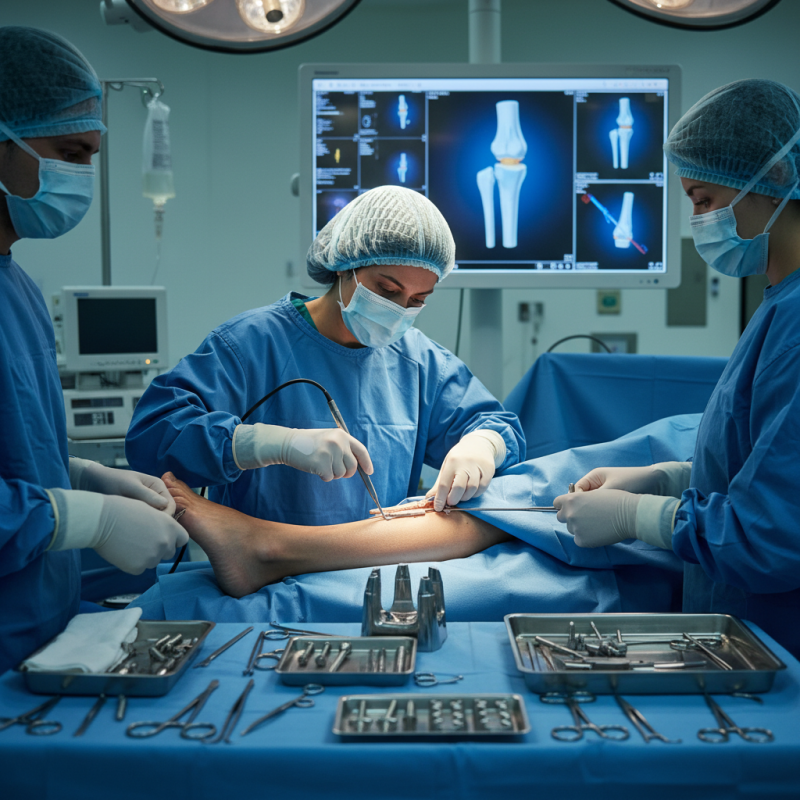
Orthopedic implants serve a crucial role in modern medicine. They aid in repairing, stabilizing, and supporting bone and joint function. These implants can be made from materials like titanium, stainless steel, or biodegradable polymers. They are used in procedures such as joint replacements, fracture repairs, and spinal surgeries. Each implant is designed to meet specific needs, ensuring compatibility with the patient’s body.
It's important to understand the purpose of these implants. They help restore mobility and reduce pain. In many cases, they can significantly improve a patient’s quality of life. However, not every patient responds the same way to an implant. Some might experience complications like infection or rejection. This variability highlights the need for thorough pre-surgical evaluations and patient education.
Tips: Always discuss your medical history with your surgeon. Ask about potential risks associated with the specific implants used. It’s essential to have realistic expectations. Healing takes time, and recovery varies for everyone. Being informed can help you engage in your recovery process.
Preoperative assessments are crucial before orthopedic implant surgeries. These evaluations help determine the patient's overall health and suitability for the procedure. Physicians typically review medical histories, perform physical examinations, and order imaging studies. This thorough approach ensures that any underlying conditions are identified and addressed. Understanding the patient's lifestyle and goals also shapes the surgical plan.
Planning for implant surgery involves collaboration among various specialists. Surgeons, anesthesiologists, and physical therapists all play vital roles. They discuss potential risks, benefits, and recovery expectations with the patient. A customized plan, tailored to individual needs, is essential for successful outcomes.
Tips:
Always communicate openly with your medical team. Discuss any concerns or anxiety you might have. Being informed can significantly ease preoperative stress.
Consider getting a second opinion if you feel uncertain about your treatment plan. It can offer new insights and boost your confidence.
Additionally, prepare your home for recovery. Ensure a safe, comfortable environment to aid in your healing process.
Orthopedic implants play a crucial role in surgical procedures aimed at repairing bones and joints. The insertion process typically employs various surgical techniques, each tailored to the specific needs of the patient. For instance, surgical fixation techniques such as intramedullary nailing or plating are common. These methods allow for stable fixation, which is essential for proper healing. Data from the American Academy of Orthopaedic Surgeons shows that nearly 4 million orthopedic surgeries are conducted annually in the United States, highlighting the significance of these techniques.
Surgeons must carefully consider the type of incision and approach when inserting orthopedic implants. Minimally invasive techniques have gained popularity due to their potential to reduce recovery time and complications. However, challenges persist. Some studies indicate that minimally invasive approaches may require more advanced skills and training. Surgical site infections, although reduced in newer techniques, are still a concern. The effectiveness of the implant relies heavily on the surgical technique employed, emphasizing the importance of continuous training and adaptable practices.
Complications can arise from improper alignment or fixation of the implants. Errors may lead to prolonged recovery or the need for revision surgeries. A study shows that up to 5% of patients experience complications related to implant fixation. This statistic underscores the complexity of implant surgeries and the necessity for thorough preoperative planning and ongoing education in orthopedic practices.
After orthopedic implants are inserted, the focus shifts to postoperative care and rehabilitation. This phase is crucial for recovery. Patients often experience pain and swelling initially. Managing these symptoms is essential for comfort. Proper pain management strategies can significantly enhance the recovery experience.
Rehabilitation should begin gradually. Physical therapy is vital for restoring strength and mobility. Patients need to follow their therapist's instructions closely. Simple exercises can help avoid stiffness. Consistent movement throughout the day is encouraged.
Tips: Keep a journal of your pain levels. This information helps doctors adjust your recovery plan. Regular check-ups are important. They ensure that the implant is functioning correctly. Remember to communicate any unusual symptoms to your healthcare provider. This vigilance can prevent potential complications down the line.
Orthopedic implant surgeries carry inherent risks and potential complications that warrant careful consideration. Research indicates that nearly 10-25% of patients may experience complications in the months following such procedures. These complications can range from infection at the surgical site to implant failure. A study published in the Journal of Orthopedic Research found that infection rates can vary significantly, with up to 5% of hip replacements resulting in postoperative infections.
Blood clots pose another serious risk, particularly in procedures involving the lower limbs. The American Academy of Orthopaedic Surgeons states that deep vein thrombosis (DVT) occurs in 0.5-2% of patients after surgery. Preventative measures, such as anticoagulants, are often employed, yet they are not without their own risks, including bleeding. Furthermore, the psychological impact of living with chronic pain or mobility limitations raises questions about the long-term benefits versus the risks of implant surgeries.
Even with proper care, implant longevity can be a concern. Evidence shows that around 10% of knee implants may require revision within 10 to 15 years. Patients must weigh the uncertainty of these outcomes when considering orthopedic implants. Continuing education and post-surgical follow-ups are essential for managing these risks effectively.
: They repair, stabilize, and support bone and joint function. They aid in procedures like joint replacements and fracture repairs.
Common materials include titanium, stainless steel, and biodegradable polymers. Each material has specific advantages for patient compatibility.
They can restore mobility and reduce pain, improving quality of life. However, responses to implants can vary among patients.
Doctors review medical history, perform physical exams, and order imaging studies. This helps identify any underlying health issues.
Patients should communicate openly with their medical team. Discuss any concerns and prepare a safe home environment for recovery.
Pain and swelling management are essential. Patients need to follow rehabilitation programs and engage in gradual physical therapy.
Keeping a journal of pain levels can help. It allows doctors to adjust recovery plans if necessary.
Communicate any unusual symptoms to healthcare providers immediately. This vigilance can help prevent potential complications.
It provides new insights and can boost your confidence in the treatment plan. Consider it if you're feeling uncertain.
Healing varies for everyone. Patients should have realistic expectations and recognize that recovery takes time.
Orthopedic implants play a crucial role in restoring function and mobility to patients with bone and joint issues. Understanding how orthopedic implants are inserted involves a multi-step process, beginning with preoperative assessments to evaluate the patient's condition and specific needs. Surgeons meticulously plan the procedure, which includes choosing the appropriate type of implant and determining the optimal surgical approach.
During the surgery, various techniques are used to insert the implants, ensuring proper placement and stability. Following the procedure, postoperative care and rehabilitation are essential to support recovery and improve outcomes. However, it is important to be aware of potential complications and risks associated with implant surgeries, which can include infection or implant failure. Overall, the meticulous process of how orthopedic implants are inserted is vital for successful patient recovery and long-term health.