Orthopedic implants are often perceived as long-lasting solutions for various joint and bone issues. However, a critical question arises: "Are orthopedic implants permanent?" Dr. Jane Smith, an orthopedic surgeon with over 15 years of experience, emphasizes, "While implants can significantly improve mobility, they may not last a lifetime." This statement invites a closer examination of the durability and longevity of these devices.
Technological advancements have led to better materials and designs for implants. Yet, factors such as age, activity level, and overall health play a role in their lifespan. Many patients expect their implants to function correctly for many years. However, some may require revisions or replacements. It's important for patients to understand that not all implants are created equal.
In many cases, the body can react unpredictably to foreign materials. This can lead to complications, even years after the initial surgery. Patients are encouraged to engage in regular follow-ups with their healthcare providers. This will help monitor the condition of their implants and address any emerging issues. Ultimately, while orthopedic implants can be life-changing, they are not necessarily a permanent fix.
What Are Orthopedic Implants and Their Types?
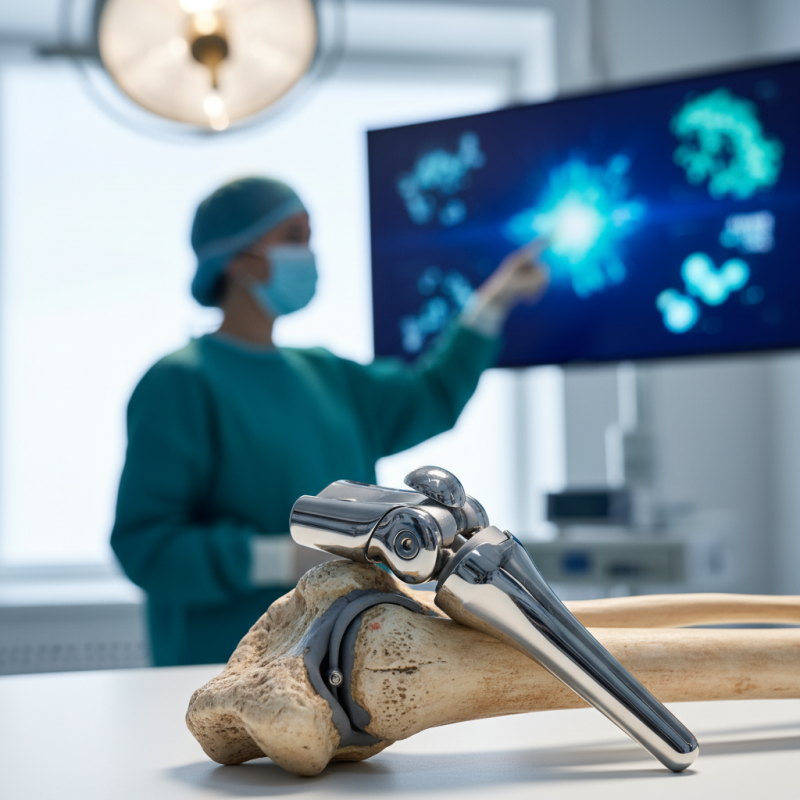
Orthopedic implants play a critical role in treating various skeletal diseases and injuries. These devices assist in stabilizing fractures, correcting deformities, and alleviating pain. Common types include screws, plates, and prosthetics.
According to industry reports, the orthopedic implant market is anticipated to reach over $78 billion by 2025, reflecting substantial growth in this field.
Despite their widespread use, the long-term effectiveness of implants raises questions. Many patients report relief and improved mobility. However, some experience complications, such as infection or implant failure. Research indicates that 30% of patients with joint implants may require revision surgery within 10 to 15 years. This data prompts healthcare professionals to weigh benefits against potential risks carefully.
The material used in implants greatly influences their longevity and patient outcomes. For instance, titanium and cobalt-chromium alloys are popular due to their strength and biocompatibility. Nonetheless, even with advanced materials, not all patients achieve optimal results. Factors like age, lifestyle, and overall health can significantly impact recovery. Hence, continuous monitoring and follow-ups are essential for patients post-surgery.
How Long Do Orthopedic Implants Typically Last?
Orthopedic implants are often seen as solutions to various musculoskeletal issues. However, it is essential to understand their longevity and potential challenges. Typically, orthopedic implants can last anywhere from 10 to 30 years, depending on several factors. These include the type of implant, the patient's medical condition, and activity level. Some implants may require replacement due to wear and tear, while others might become loose over time.
Tips: Regular check-ups with your healthcare provider can help monitor the condition of your implant. Stay active but listen to your body. Certain high-impact activities may strain your implant and reduce its lifespan.
In some cases, complications can arise. Infection, for instance, can occur after surgery, leading to implant failure. Patients need to be aware of signs of complications, such as unusual pain or swelling around the implant. Communication with your doctor is crucial if you experience these symptoms.
Tips: Maintaining a healthy weight can reduce stress on implants. Focus on a balanced diet to support bone health. Consider low-impact exercises to enhance mobility while protecting your implants.
Factors Influencing the Longevity of Orthopedic Implants
Orthopedic implants are crucial for many patients recovering from injuries or surgeries. However, their longevity varies significantly. Factors like material quality play a significant role. Implants made from titanium or cobalt-chromium are known for their strength. Yet, not all patients respond well to these materials. Allergic reactions can occur. It's essential to consider individual sensitivities.
Another vital aspect affecting implant lifespan is patient activity levels. Active individuals may put more stress on their implants. High-impact activities can lead to wear and tear faster than expected. Weight also matters. Overweight patients can experience increased load on their implants. This can further accelerate the degradation of the device.
Infection is another dark cloud hovering over the success of orthopedic implants. Surgical site infections can compromise the stability and lifespan of the device. Proper hygiene and care during recovery are essential. It’s necessary to monitor any signs of complications. Regular check-ups with a healthcare provider can help in early detection of issues. Understanding these factors can lead to better outcomes and more informed decisions about orthopedic surgery.
Potential Complications and Risks Associated with Orthopedic Implants
Orthopedic implants are often viewed as long-term solutions for various musculoskeletal issues. However, they come with risks that patients should understand. Research indicates that post-surgery complications affect approximately 10-30% of patients. These complications can range from infection to implant failure. For instance, a study published in the Journal of Bone and Joint Surgery shows that up to 25% of patients may experience chronic pain following implantation.
Infection is a significant concern. Coinfections can occur in about 1-5% of surgeries involving orthopedic implants. The national average of revision surgeries due to infection is about 10%. Each case can lead to longer recovery times and increased costs. Moreover, implant-related complications, such as wear and loosening, may develop over time. A report from the American Academy of Orthopaedic Surgeons highlights that these issues can necessitate additional surgeries in up to 20% of patients within a decade.
Patients should weigh these potential complications against the benefits they seek. Understanding that implants are not infallible is crucial. While they can offer relief and improved function, the path to recovery may be more complex than anticipated. Discussions with orthopedic specialists can help clarify these risks and inform better decision-making.
Alternatives to Orthopedic Implants for Joint Issues
When considering alternatives to orthopedic implants for joint issues, patients have various options that may offer effective relief. Physical therapy remains a crucial approach. Data indicates that about 70% of patients report significant improvement in pain and mobility through targeted physical therapy programs. These programs emphasize strengthening the muscles around joints, enhancing stability, and improving function.
In addition, regenerative medicine is gaining traction. Techniques such as platelet-rich plasma (PRP) and stem cell therapy show promising results. Research suggests that PRP can reduce inflammation and promote healing, with over 80% of treated patients experiencing pain relief. However, these methods are not universally effective and can vary greatly among individuals.
Lifestyle changes are essential as well. Weight management can significantly affect joint health. According to a 2022 report, losing just 5-10% of body weight can reduce knee joint stress by 50%. These alternatives to orthopedic implants provide varied solutions, but they also require realistic expectations. Patients need to understand that no single method guarantees success for everyone. Each option presents unique challenges and potential benefits.
Are Orthopedic Implants Permanent Solutions for Patients? - Alternatives to Orthopedic Implants for Joint Issues
| Treatment Option |
Description |
Effectiveness |
Longevity |
Risks |
| Orthopedic Implants |
Devices inserted into the body to support or replace damaged joints. |
High for a majority of patients, but varies based on individual conditions. |
10-20 years on average, depending on the type and placement. |
Infection, fracture of the implant, loosening over time. |
| Physical Therapy |
A rehabilitation approach that aids in recovery and strengthens joint function. |
Effective for mild to moderate issues, improving mobility and strength. |
Varies based on commitment and nature of joint issues. |
Muscle strain, temporary discomfort during sessions. |
| Medication |
Pain relievers and anti-inflammatory drugs prescribed to manage symptoms. |
Effective for pain management but does not address underlying issues. |
Short-term, effective as needed. |
Side effects, dependency on pain medications over time. |
| Joint Injections |
Injections of corticosteroids or hyaluronic acid to relieve inflammation and pain. |
Good for temporary relief but not a permanent solution. |
Several weeks to months, can be repeated as necessary. |
Risk of infection, potential joint damage with repeated use. |
| Surgery |
Various procedures to correct joint issues, including realignment or arthroscopy. |
Highly effective, especially for severe issues. |
Longevity depends on type of procedure; can lead to permanent fixes. |
Infection, anesthesia risks, recovery time may be extensive. |
Conclusion
Orthopedic implants are medical devices designed to support or replace damaged joints and bones, with various types tailored to specific conditions. While many patients inquire, "Are orthopedic implants permanent?" the answer is nuanced. These implants typically have a lifespan that can range from several years to decades, influenced by factors such as the patient's age, activity level, and overall health.
Despite their potential longevity, there are risks and complications associated with orthopedic implants, including infection or mechanical failure. Additionally, alternatives such as physical therapy, medication, or less invasive procedures may be considered for joint issues. Therefore, while orthopedic implants can offer substantial long-term benefits, they are not always a permanent solution and should be evaluated on a case-by-case basis.
 Sete Orthopedic Implants
