Sete Orthopedic Implants Sete Orthopedic Implants

Can Orthopedic Implants Be Removed Safely and Effectively?

Time:2026-05-01 Author:Sienna
0%

The question "Can orthopedic implants be removed" raises important considerations for both patients and healthcare providers. Orthopedic implants, like screws and plates, are often used to support healing in bones. However, there are situations where removal may be necessary. Reasons include infection, discomfort, or metal allergy.

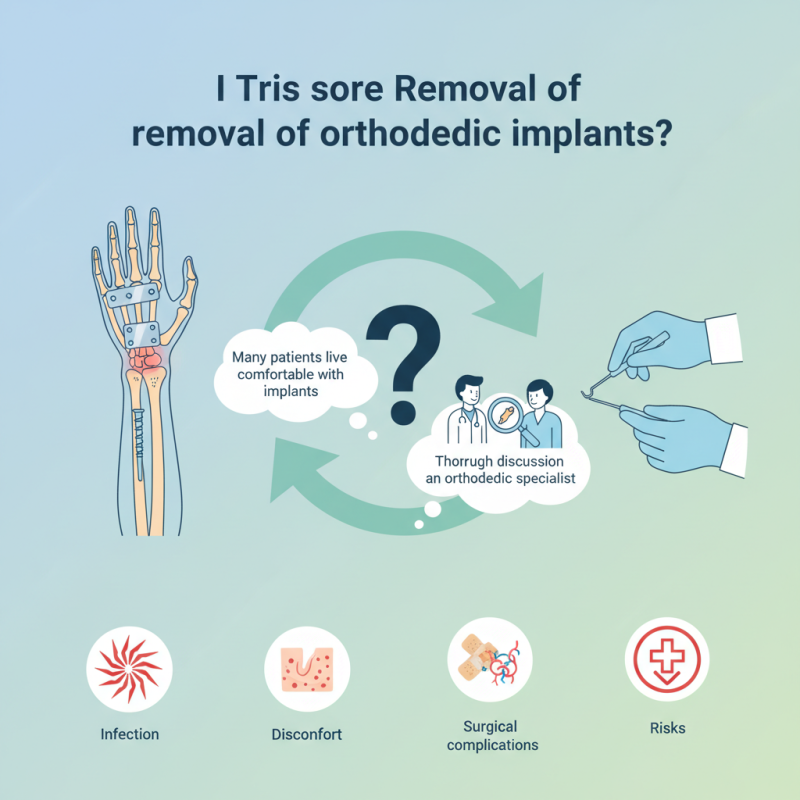
While many surgeons have experience in removing these devices, the process is not without risks. Surgical complications can arise, including infection or nerve damage. It’s crucial for patients to weigh the potential benefits against these risks. Not every implant needs to be removed; in fact, many patients live comfortably with their implants.

A thorough discussion with an orthopedic specialist can provide clarity. They can assess individual cases, examine the need for removal, and help make informed decisions. The journey toward understanding "Can orthopedic implants be removed" is complex and requires careful consideration of one's unique circumstances.
Can Orthopedic Implants Be Removed Safely and Effectively?

Overview of Orthopedic Implants and Their Purpose

Orthopedic implants serve critical roles in modern medicine. They help stabilize fractures, replace damaged joints, and support healing. These devices can enhance mobility and reduce pain for many patients. Understanding their purpose clarifies why safe removal is essential.

Patients often wonder about the removal of these implants. While it is usually safe, every case varies. Implants may cause discomfort or complications over time. Consulting with an experienced orthopedic surgeon is crucial. They can assess individual needs and risks.

**Tips:** Always communicate any discomfort you experience. Consider discussing your concerns about the implants during check-ups. Monitoring is vital, even after surgery. Keeping track of your symptoms can aid in timely intervention.

Indications for Removal of Orthopedic Implants

Orthopedic implants can enhance recovery after fractures or surgeries. However, there are specific circumstances when removal becomes necessary. One major indication is infection. If bacteria invade the implant site, removal can prevent serious complications. In some cases, the body may also react negatively to the materials used in the implant, leading to chronic pain or discomfort. In these situations, your healthcare provider may recommend removal for relief.

Another reason for removal is the failure of the implant itself. Implants can break or become loose over time, impacting mobility and causing pain. This often necessitates corrective surgery to restore joint function. Additionally, some patients feel the need for removal due to changes in their lifestyle or activity levels. Athletes may wish to remove implants to avoid restrictions during competition.

While implant removal can lead to positive outcomes, it is not without risks. The surgical process may lead to complications, such as nerve damage or extended recovery time. Therefore, both patients and doctors should weigh the benefits against potential downsides carefully. Consulting with a specialized orthopedic surgeon is essential for making informed decisions regarding implant removal.

Safety Measures in the Removal Process of Orthopedic Implants

When considering the removal of orthopedic implants, safety is a critical aspect. The surgical environment must be meticulously prepared. Surgeons often use advanced imaging techniques to assess the implant's position. Proper sterilization of instruments is indispensable to prevent infections. A well-planned approach reduces complications during the procedure.

In this context, patients must be actively involved. Understanding the procedure helps them feel more comfortable. Open discussions about risks and benefits can ease anxiety. Moreover, patients should inform their surgeons about any allergies or medical conditions.

Tips for a safe removal process include requesting a pre-surgery consultation. This allows for a thorough examination of the implant site. Ensure that post-operative care instructions are clear and followed diligently. Monitoring for any signs of infection post-surgery is crucial. Communication with healthcare professionals can address any concerns swiftly.

Techniques and Methods for Effective Implant Removal

Removing orthopedic implants is a complex procedure. Different techniques exist to ensure safe and effective removal. Surgeons assess the patient's specific circumstances before choosing a method. This personalized approach is crucial. Complications can arise, so careful consideration is key.

One common technique involves minimally invasive surgery. This method reduces recovery time and scarring. However, not every implant can be removed this way. In some cases, traditional open surgery is necessary. This approach provides better visibility and access but comes with increased risk. Surgeons must weigh these options carefully.

Patient recovery is another factor. Post-removal pain management varies. Some patients experience significant discomfort, while others may not. Effective communication between the doctor and patient is vital. Regular follow-ups help monitor healing and address any complications. Understanding these techniques can empower patients to make informed decisions about their care.

Can Orthopedic Implants Be Removed Safely and Effectively? - Techniques and Methods for Effective Implant Removal

Technique Indications Risks Effectiveness Recovery Time
Open Surgery Large implants, non-unions Infection, blood loss High 4-6 weeks
Arthroscopic Removal Small-sized implants Limited visibility, damage to surrounding tissue Moderate 2-4 weeks
Ultrasound-assisted removal Loose implants Inadequate pain control Variable 1-2 weeks
Screw Extraction Loose screws, hardware removal Screw breakage High 1-2 weeks

Post-Removal Care and Recovery for Patients

After the removal of orthopedic implants, patients need to focus on their recovery. Proper post-removal care is crucial for healing and regaining mobility. Pain management is a primary concern. Patients often encounter discomfort as the body adjusts. Listening to the body and communicating with healthcare providers is important.

Physical therapy can be beneficial. Gentle exercises assist in restoring strength and flexibility. However, patients should avoid pushing themselves too hard. Overexertion may lead to setbacks in recovery.

Tips: Stay hydrated and maintain a balanced diet. This aids in healing. Follow all care instructions given by your healthcare provider. If unusual symptoms arise, seek medical advice promptly. Remember, recovery is a personal journey, and everyone’s experience may differ.

FAQS

: When is the removal of orthopedic implants necessary?

: Removal becomes necessary due to infection, implant failure, or a body reaction to materials.

What happens if there is an infection at the implant site?

Infection requires removal to prevent serious complications. It’s essential to address it promptly.

Can implants ever break or become loose?

Yes, implants can break or loosen over time, causing pain and mobility issues that may need surgery.

Why might an athlete choose to have an implant removed?

Athletes may want removal to avoid restrictions on their performance during competitions and training.

What are potential risks of implant removal surgery?

Risks include nerve damage and extended recovery time, which require careful consideration beforehand.

How can patients ensure safety during the removal process?

Patients should discuss risks, confirm allergies, and follow pre-surgery recommendations with their surgeon.

Why is communication important before surgery?

Open discussion helps patients understand the procedure, reduces anxiety, and assists in addressing concerns.

What should patients monitor after surgery?

Patients should watch for infection signs and adhere to post-operative care instructions diligently.

How can advanced imaging techniques help in the removal process?

They allow surgeons to assess the implant's position accurately, improving planning and safety.

What is the importance of a pre-surgery consultation?

It offers a thorough examination of the implant site and clarifies the surgery process for the patient.

Conclusion

The article "Can Orthopedic Implants Be Removed Safely and Effectively?" provides a comprehensive overview of orthopedic implants, detailing their purposes and the scenarios in which removal may be necessary. Indications for removal can include complications, infection, or the desire for improved mobility.

Safety measures during the removal process are crucial to ensure patient well-being and minimize risks. Various techniques and methods are discussed to facilitate effective implant removal, highlighting the importance of a tailored approach for each patient. Finally, the article underscores the significance of post-removal care and recovery, guiding patients through the healing process to promote optimal outcomes. Overall, understanding "can orthopedic implants be removed" safely and effectively is essential for both healthcare providers and patients facing this decision.

Sienna

Sienna

Sienna is a skilled marketing professional with a deep expertise in our company’s core products and services. With a passion for innovation and detail, she plays a pivotal role in crafting insightful blog posts that not only highlight the unique features of our offerings but also provide valuable......