Sete Orthopedic Implants
Orthopedic implants are crucial for many surgical procedures, providing support and stability during the healing process. However, a persistent concern among both patients and healthcare professionals is the question: "Can orthopedic implants break?" Dr. Sarah Johnson, an orthopedic surgeon with over 15 years of experience, emphasizes, “While rare, implant failure can occur due to various factors like wear, patient activity, and underlying conditions.”
Understanding the potential for implant failure is essential for both surgeons and patients. The materials used in these devices, though strong, are not indestructible. Factors like age, physical activity, and even dietary habits can influence the longevity of an implant. For instance, high-impact sports may increase the risk of complications.
It's also vital to acknowledge that advancements in technology have significantly improved implant design and durability. Yet, challenges remain. Some patients might experience issues without clear causes, leading to frustration and uncertainty. By addressing these concerns openly, we can foster a better understanding of the risks involved. Always consult with your orthopedic specialist about your specific situation.
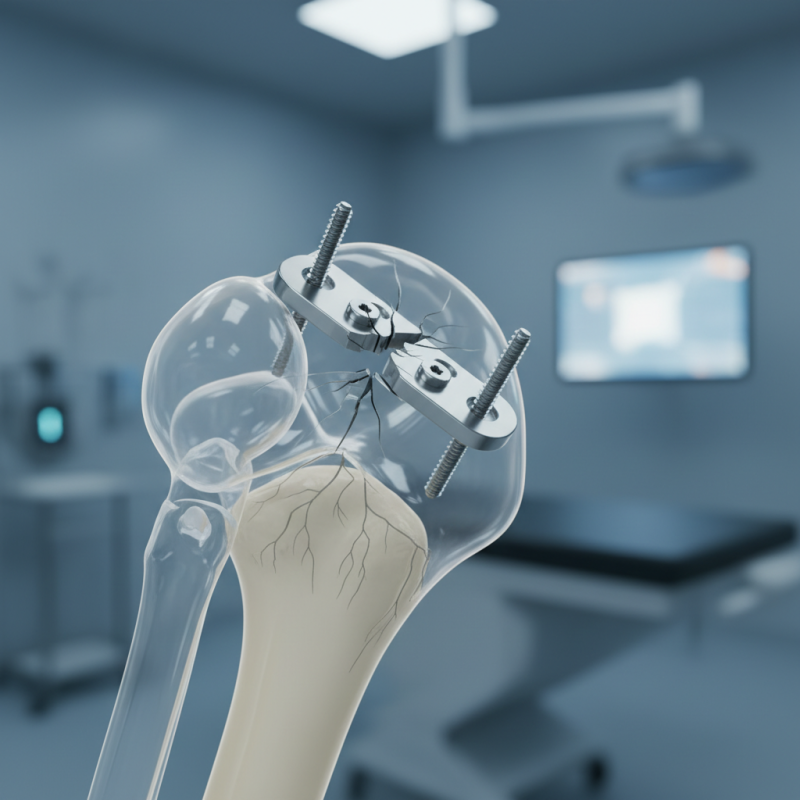
Orthopedic implants play a crucial role in modern medicine. They are used to replace or support damaged bones and joints. These implants can be made of metal, ceramic, or plastic. Understanding their functionality helps in grasping how they aid recovery. The design of each implant aims for durability and compatibility with human tissue. While these advancements are significant, the risk of complications remains.
Not all outcomes are positive. Some patients experience infections or implant failure. This could be due to various factors like individual health conditions or improper placement. Implants can sometimes cause pain and discomfort. Monitoring after surgery is crucial to address any issues early. It is essential for patients to discuss possible risks with their healthcare providers.
The long-term success of orthopedic implants often relies on patient lifestyle choices. Weight management and activity levels can impact their effectiveness. A careful approach is needed post-surgery to ensure proper healing. Each case is unique, emphasizing the need for personalized care. Awareness of potential challenges helps in making informed decisions.
Orthopedic implants are crucial in modern medicine. They help restore function and alleviate pain in patients. Various types of implants exist, each with specific applications. Common types include plates, screws, rods, and joint replacements. These devices play a vital role in orthopedic surgery.
Tips: Always discuss implant options with your doctor. Understand the risks associated with each type. Some patients may face complications during recovery.
Joint replacements, such as hip and knee implants, can significantly improve mobility. These are often made from metal and plastic. Plates and screws stabilize fractures, ensuring proper healing. Rods are commonly used in spinal surgeries to support the spine.
Tips: Consider physical therapy post-surgery to enhance recovery. Follow your surgeon's advice on activity levels. Ongoing monitoring is essential to spot potential issues early.
While implants are generally reliable, they can present challenges. Infections or implant failure may occur in some cases. It's important to communicate any concerns with healthcare professionals. Regular follow-ups are key to maintaining implant health.
Orthopedic implants are widely used to support bone healing and restore function. However, they come with potential risks and complications. Infection is a significant concern. Surgical sites can introduce bacteria, leading to serious outcomes. If an implant becomes infected, it may need to be removed, prolonging recovery.
Another risk involves implant failure. Implants can break or loosen over time. This often results in additional surgeries and prolonged pain. The material used in implants can also wear down. This deterioration may lead to complications. It is crucial to monitor your condition regularly.
**Tips:** Consult with your surgeon about the specific risks associated with your implant. Regular follow-ups are essential to address any signs of complications early. Pay attention to unusual pain or swelling around the implant site. No implant is without risk, and understanding these factors can ease anxiety.
Orthopedic implants play a crucial role in enhancing mobility and reducing pain for many patients. However, like any surgical procedure, complications can arise. It’s essential to be aware of the signs of implant failure to seek timely medical attention. Studies indicate that about 10% of orthopedic implants can fail within ten years, leading to severe complications.
Common signs of implant failure include persistent pain, swelling, and reduced function in the affected area. For instance, if the pain worsens during activity or isn’t alleviated by rest, this may signal a problem. In some cases, patients experience instability in the joint, making daily tasks challenging. Over 25% of patients with failing implants report difficulty walking or performing routine activities. This indicates an urgent need for reevaluation.
Additionally, patients should monitor symptoms such as fever or unusual discharge near the surgical site. These could indicate infection, which is a serious complication. While not all implants will fail, being vigilant about these symptoms is vital. Early intervention can significantly improve treatment outcomes and prevent further complications. Always consult with a healthcare professional when in doubt.
Maintaining orthopedic implants requires regular check-ups and a keen understanding of potential issues. Patients must be vigilant about any pain or discomfort in the implant area. Pain can signal complications that need immediate attention. Simple questions can help track their condition over time. How does the area feel during activity? Are there any unusual sensations?
Monitoring is not just periodic. It involves understanding the signs of wear or loosening. Imaging techniques, like X-rays, can reveal subtle changes. These tools help doctors assess the condition of implants effectively. A detailed discussion about the findings can also illuminate areas requiring improvement in patient care.
Long-term maintenance is a partnership between patients and healthcare providers. Open communication is vital. Patients should report changes promptly. Regular follow-ups can catch problems early. Education about one’s own implant is essential. Knowing the material, possible side effects, and expected lifespan encourages proactive health management. This approach builds trust in the healthcare process while empowering patients.
| Aspect | Details |
|---|---|
| Common Materials Used | Titanium, Stainless Steel, Cobalt-Chromium Alloys |
| Types of Implants | Screws, Plates, Rods, Joints |
| Potential Complications | Infection, Loosening, Fracture |
| Importance of Monitoring | Regular X-rays, Clinical Assessments, Patient-reported Symptoms |
| When to Seek Help | Severe Pain, Swelling, Reduced Mobility |
| Longevity of Implants | 10 to 20 years depending on usage and type |
| Maintenance Tips | Regular Check-ups, Healthy Lifestyle, Avoiding Excess Weight |
| Follow-Up Frequency | Annually or as recommended by the physician |
: The main risks include infection, implant failure, and material wear. These can lead to serious complications.
Infections can occur at surgical sites if bacteria enter. They may require implant removal and prolong recovery.
Signs include persistent pain, swelling, and reduced function. Difficulty walking may also indicate a problem.
Seek attention for worsening pain, unusual swelling, or instability in the joint. These may signal implant issues.
Yes, implant materials can deteriorate. This wear may lead to complications or the need for further surgery.
Monitor for pain, swelling, fever, or discharge. Any unusual symptoms should prompt a consultation with your doctor.
Regular follow-ups are essential. Discuss your recovery and any signs of complications with your surgeon.
Ignoring signs can lead to severe complications. Proactive attention is necessary for better outcomes.
Understanding risks and staying informed about symptoms can help ease anxiety. Regular communication with healthcare providers is also key.
Orthopedic implants play a crucial role in supporting and enhancing the functionality of bones and joints. They come in various types, each designed for specific applications, such as joint replacement or fracture fixation. However, understanding the potential risks and complications associated with these implants is essential. The question "Can orthopedic implants break?" is important, as implant failure can occur due to factors like wear, infection, or improper placement.
Recognizing the signs of implant failure, such as increased pain or reduced mobility, is vital for timely medical intervention. Regular long-term maintenance and monitoring of orthopedic implants can help in identifying issues early and ensuring their longevity. Staying informed and vigilant empowers patients to seek help when needed, ultimately safeguarding their health and enhancing their quality of life.
