Sete Orthopedic Implants Sete Orthopedic Implants

Can You Safely Exercise with Orthopedic Implants?

Time:2026-05-09 Author:Ethan
0%

As the prevalence of orthopedic implants rises, many individuals wonder, "Can you exercise with orthopedic implants?" This question is particularly pertinent as more than 1 million knee and hip replacement surgeries occur in the U.S. annually. According to Dr. Emily Johnson, a leading orthopedic surgeon, “Patients often fear exercise after surgery, but it’s vital for recovery and overall health.” Exercise can promote healing, maintain mobility, and enhance quality of life.

However, the journey post-surgery isn't without challenges. An estimated 20% of patients experience complications related to their implants, including discomfort during physical activity. Many individuals may hesitate to engage in specific movements, fearing injury. It is essential to approach exercise with caution. Low-impact activities, like swimming or cycling, are typically safer. Moreover, individualized exercise plans should consider the type of implants and the patient's overall health status.

The conversation around exercising with orthopedic implants is evolving. Research indicates that with the right guidance, many patients can safely return to an active lifestyle. Yet, the complexity of each case reinforces the need for professional advice. Understanding the balance between activity and caution is paramount.
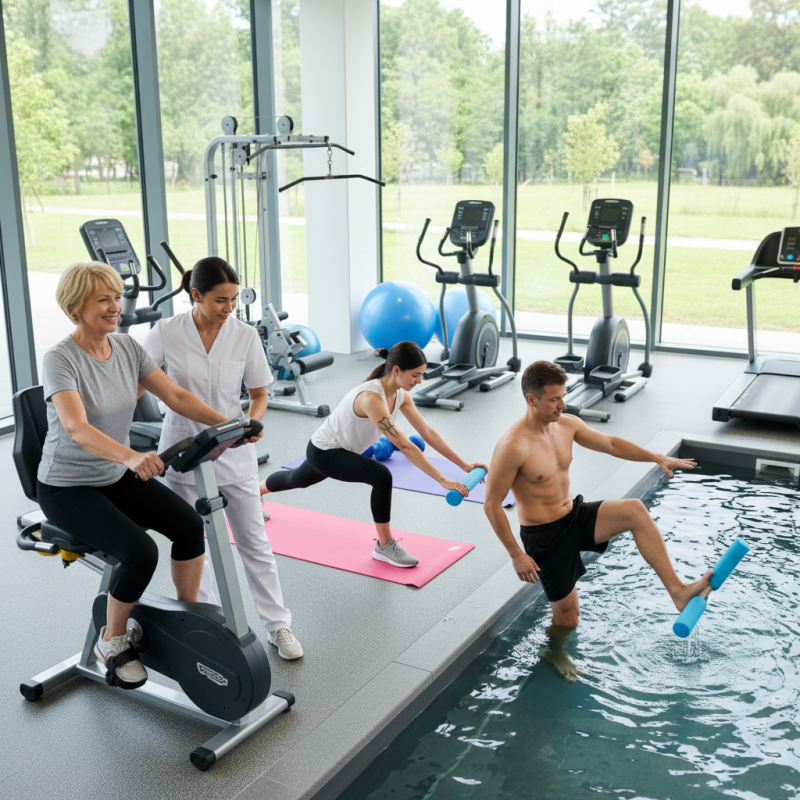
Can You Safely Exercise with Orthopedic Implants?

Understanding Orthopedic Implants and Their Functionality

Orthopedic implants play a crucial role in restoring function and enhancing mobility for millions of people. These devices, such as hip or knee replacements, provide stability and support to joints affected by injury or disease. According to the American Academy of Orthopaedic Surgeons, over 1 million joint replacement surgeries are performed each year in the U.S. alone. This growing trend reflects the increasing number of patients benefiting from improved mobility. However, understanding how to exercise safely with these implants is essential.

Before engaging in any physical activity, consult with your orthopedic surgeon or physical therapist. They can provide personalized advice based on your specific situation. Start with low-impact exercises. Swimming and cycling are gentle on the joints, making them ideal options. Gradually increase your activity level. Be cautious of any pain or discomfort. Listen to your body; it’s okay to take breaks.

Here are some useful tips: Maintain a balanced routine that includes strength, flexibility, and cardiovascular training. Aim for five to ten minutes of warm-up before exercising. Consider using assistive devices if needed. This can help with stability and reduce the risk of falls. Regular check-ups with healthcare providers will ensure your implants are functioning properly. Remember, safe exercise is about gradual progress and respecting your body’s limitations.

Exercise Safety with Orthopedic Implants

This chart illustrates the recommended frequency of various types of exercises for individuals with orthopedic implants. It highlights that low impact exercises are preferred most frequently, followed by flexibility training, while high impact activities are least recommended.

Types of Orthopedic Implants Commonly Used in Surgery

Orthopedic implants are crucial in surgical treatment for various conditions. Surgeons often use metal plates, screws, and rods to stabilize bones. These devices help patients regain mobility. They can be made from stainless steel or titanium. Each material has unique benefits, offering strength and compatibility within the body.


Joint replacements are another type of orthopedic implant. Commonly, patients receive hip or knee replacements. These implants allow normal movement, reducing pain significantly. It is not uncommon to feel unsure about exercising with these implants. Many worry about potential damage or discomfort. However, specialized rehabilitation programs can aid recovery. Consulting a healthcare provider is essential for finding the right exercises.


Recovering from surgery is not always straightforward. Some patients experience challenges, such as swelling or pain. It’s vital to approach exercising with caution. Listening to your body matters. If something feels off, it is worth investigating. Always prioritize safety when incorporating physical activities into daily routines.

The Importance of Consulting a Healthcare Professional Before Exercise

When considering exercise with orthopedic implants, expert guidance is crucial. Each individual’s condition is unique, and what works for one person might not be safe for another. Consulting with a healthcare professional can help identify the best approach tailored to your needs. They can evaluate your specific situation, check your healing progress, and suggest appropriate exercises.

Exercise is important for recovery, but it carries risks after any surgical procedure. You may feel ready, yet your body may not be. A physical therapist can assess your strength and flexibility, advising on exercises that avoid strain. For instance, low-impact activities like swimming or cycling might be encouraged instead of running. This tailored advice can prevent complications and enhance recovery.

Seeking professional input before starting an exercise regimen is vital. It reduces the chance of injury and promotes overall health. Remember, this is a gradual process. A healthcare professional can guide you through the healing phase, helping you set realistic goals. Reflection on your progress is essential. Overdoing it may lead to setbacks. Listening to your body is key, and sometimes resting is the best choice.

Safe Exercise Recommendations for Individuals with Implants

Exercising with orthopedic implants can be safe, but caution is essential. Individuals should consult their healthcare provider for personalized advice. Understanding your specific implant type is crucial for safe activity levels. Some implants, like joint replacements, may restrict certain movements. Others could allow more freedom.

Low-impact exercises are often recommended for those with implants. Walking, swimming, and cycling can improve fitness without undue stress on the body. Strength training with light weights may also be beneficial. Pay attention to form and avoid high-impact activities that could jeopardize the implant's integrity. Consider physical therapy, which can provide tailored exercises to enhance recovery.

Listening to your body is vital. Discomfort or unusual pain should not be ignored. Modifying exercises may be necessary, reflecting any changes in your condition. Each individual's journey will vary, and what works for one may not work for another. Finding a supportive community can also enhance motivation, though it's important to remain mindful of your limits.

Potential Risks and Precautions While Exercising with Implants

Exercising with orthopedic implants can pose potential risks. Research suggests that approximately 10-20% of patients report complications during physical activity post-surgery. This is significant, considering how implants may alter joint mechanics. It's crucial to be informed about these risks before engaging in exercise.

Patients with knee or hip replacements often must avoid high-impact activities. Activities such as running or jumping can stress the implants and surrounding tissues. A study published in the Journal of Orthopedic Research noted that intense physical activity could lead to implant loosening in about 15% of cases. Consulting with orthopedic specialists is essential to tailor an exercise regimen that is safe yet effective.

Moreover, personal experience plays a vital role. Individuals may feel fine but still face hidden issues, like muscle imbalances. Precautions are necessary; warming up properly and using supportive gear can reduce injury risk. Listening to your body and adjusting your activities is vital. Regular follow-ups with healthcare providers ensure proper monitoring and adjustment of exercise plans.

Can You Safely Exercise with Orthopedic Implants? - Potential Risks and Precautions While Exercising with Implants

Type of Implant Common Exercises Potential Risks Precautions
Hip Replacement Walking, Swimming Dislocation, Fractures Avoid high-impact activities, follow physiotherapist's guidelines
Knee Replacement Cycling, Elliptical Training Swelling, Pain Use a brace if recommended, start slow
Shoulder Replacement Resistance Band Exercises Instability, Overuse Limit overhead movements, follow strength guidelines
Spinal Fusion Walking, Core Strengthening Nerve Damage, Improper Healing Avoid twisting motions, focus on stability

FAQS

: What is the role of orthopedic implants?

: Orthopedic implants restore function and enhance mobility. They provide stability to joints affected by injury or disease.

Why is it important to consult a healthcare professional before exercising?

Each person's condition is unique. Professional guidance helps tailor exercise approaches to individual needs and safety.

What types of exercises are safe for individuals with implants?

Low-impact exercises like walking, swimming, and cycling are recommended. They reduce stress on the body.

How can I gradually increase my activity level?

Start with low-impact exercises and slowly boost intensity. Always listen to your body and take breaks as needed.

What should I do if I experience pain while exercising?

Discomfort should not be ignored. Modify activities to reflect your current condition and seek professional advice.

How can I ensure my implants are functioning properly?

Regular check-ups with healthcare providers are essential. They monitor your progress and ensure the implants are working well.

What specific considerations should I keep in mind while exercising?

Understand your implant type. Some have movement restrictions while others allow more freedom. Pay attention to your form.

How can community support aid in my exercise routine?

Finding a supportive community can boost motivation. However, stay mindful of your personal limits and avoid overdoing it.

What might happen if I push myself too hard while exercising?

Overexertion may lead to setbacks in your recovery. Reflect on your progress and remember that rest can be beneficial.

Conclusion

The article "Can You Safely Exercise with Orthopedic Implants?" explores the complexities surrounding physical activity for individuals with orthopedic implants. It begins by clarifying what orthopedic implants are and their intended functionalities in aiding joint mobility and stability. The piece details the various types of implants commonly used in surgical procedures, laying a foundation for understanding their role in patient rehabilitation.

Importantly, the article emphasizes the necessity of consulting a healthcare professional before beginning any exercise regimen. Safe exercise recommendations are provided, tailored specifically for those with implants, highlighting low-impact activities that minimize stress on the body. Lastly, it addresses potential risks and precautions to consider when engaging in exercise with orthopedic implants, ensuring that individuals are informed and can make safe choices for their health and well-being.

Ethan

Ethan

Ethan is a seasoned marketing professional with a deep expertise in our company's innovative product line. With a passion for sharing knowledge and insights, he takes the lead in regularly updating our corporate blog, where he explores industry trends, product features, and effective marketing......