 Sete Orthopedic Implants
Sete Orthopedic Implants
Sete Orthopedic Implants
Ensuring the health of orthopedic implants is crucial for patient outcomes. According to a report by the American Academy of Orthopaedic Surgeons, around 1 in 10 patients may experience complications after surgery involving implants. Therefore, understanding "what tests check orthopedic implant health" is vital in mitigating risks.
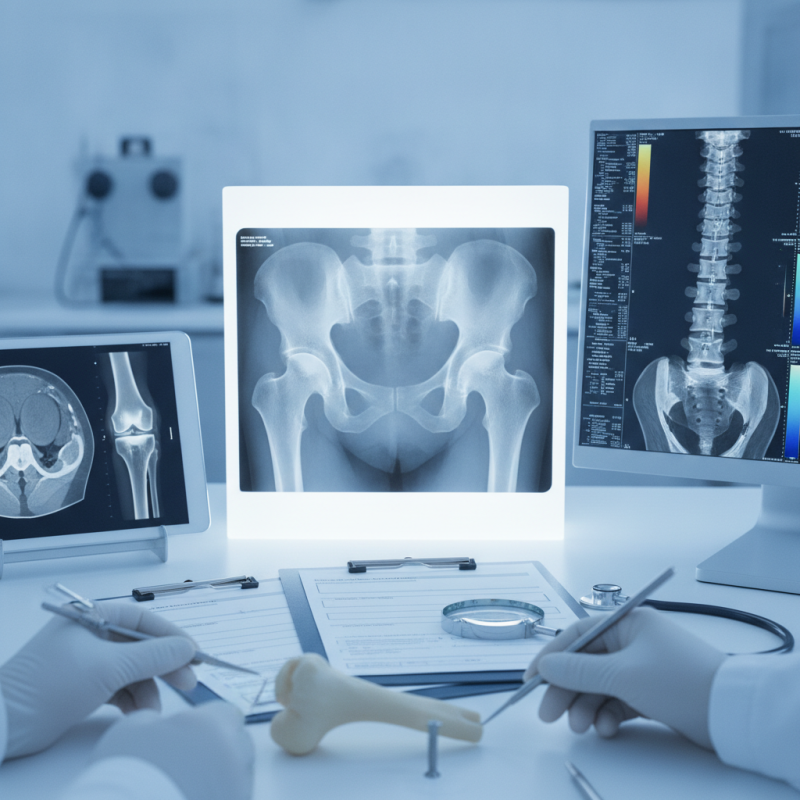
Common tests include imaging techniques such as X-rays, CT scans, and MRIs. These technologies help assess the positioning and integration of the implant with surrounding bone. Regular monitoring is essential, as implants can develop issues like loosening or infection over time. A systematic review in the Journal of Bone and Joint Surgery highlighted that early detection via these tests can significantly improve recovery times.
Moreover, patient-reported outcomes play a key role in evaluating implant success. Reports show that about 20% of patients may be dissatisfied with their implants years after surgery. This indicates a need for ongoing assessment and reflects gaps in current monitoring practices. Ultimately, continuous research and development in testing methods will enhance our understanding of implant longevity and patient safety.
Orthopedic implants play a crucial role in surgical procedures. They can include devices like plates, screws, and joint replacements. These implants provide stability and support to injured or weakened bones. Surgeons choose specific types based on patient needs and the nature of the injury. Each type has distinct purposes. For example, plates often stabilize fractures, while joint replacements improve mobility in arthritis patients.
Despite their benefits, questions about implant health arise. Regular monitoring is essential. Implants may wear down over time or fail due to various factors. Inflammatory responses can also occur, complicating recovery. Surgeons might recommend imaging tests, such as X-rays or MRIs, to assess an implant's condition. These tests help identify potential issues before they escalate.
Patients should maintain open communication with their medical providers. It's important to report any unusual sensations or pains experienced post-surgery. Continuous research seeks to improve implant materials and designs. However, challenges remain in ensuring long-lasting outcomes for all patients. Understanding these aspects can foster better treatment approaches in orthopedic care.
| Implant Type | Common Tests | Purpose of Tests | Expected Outcomes |
|---|---|---|---|
| Total Joint Implants | Radiography, MRI | Evaluate implant positioning and integrity | Ensure proper alignment; detect wear or loosening |
| Spinal Implants | CT Scan, X-ray | Assess fusion status and screw placement | Confirm successful fusion; check for complications |
| Fracture Fixation Devices | Ultrasound, X-ray | Monitor healing progress | Evaluate fracture healing and device stability |
| Orthopedic Screws and Plates | Magnetic Resonance Imaging | Check for screws' integration and bone healing | Verify maintenance of structural integrity |
| Bone Grafts and Substitutes | Bone Scintigraphy, X-ray | Evaluate graft incorporation into host bone | Ensure effective remodeling and stability |
: Orthopedic implants stabilize and support injured or weakened bones during surgical procedures.
Common implants include plates, screws, and joint replacements designed for specific injuries.
Regular follow-ups are crucial to identify potential complications and ensure implant health.
Infection and implant failure are significant risks that may require additional surgeries.
Biocompatibility ensures that materials interact safely with body tissue, affecting the implant's success.
In vitro studies involve human cells, while animal studies offer additional insights but may raise ethical issues.
Open communication helps address unusual sensations and anxieties during recovery.
Patients may face anxiety or depression if recovery is not meeting their expectations.
Minor changes in material chemistry can lead to unexpected reactions in the body over time.
Continuous research enhances our understanding and improves testing protocols for future implants.
Orthopedic implants are essential tools in various surgical procedures, yet they carry risks of complications that can affect patient outcomes. To ensure the health of these implants, several key assessments are necessary. Common types of orthopedic implants include joint replacements and fracture fixation devices, which are subject to evaluation for complications such as infections or mechanical failures.
What tests check orthopedic implant health include assessments of implant stability and integration, which are crucial for determining their proper function within the body. Additionally, the biocompatibility of implant materials must be evaluated to ensure they interact safely with biological tissues. Long-term monitoring strategies are vital for assessing the ongoing health and longevity of orthopedic implants, enabling proactive management and intervention if issues arise.
