Sete Orthopedic Implants
Understanding the Thoracolumbar Spine System is crucial for both medical professionals and patients. Research from the National Institutes of Health shows that approximately 80% of adults experience back pain at some point in their lives. This pain often stems from issues within the thoracolumbar region. Dr. Alan Grant, a leading expert in spinal health, notes, "The thoracolumbar spine is the bridge connecting the upper and lower body, and its health is critical to overall mobility."
The thoracolumbar spine comprises the lower thoracic and upper lumbar vertebrae. It supports the torso and facilitates movement. Many underestimate its importance until faced with pain or injury. Statistics show that lower back pain leads to billions in healthcare costs annually. This emphasizes the need for a better understanding of this spinal region.
Moreover, there is often confusion about the structures in the thoracolumbar spine system. Misinterpretations can lead to ineffective treatments. As we delve into the basics, it is essential to reflect on how easily this significant area can be overlooked in care. Knowledge gaps exist that must be addressed for better patient outcomes.
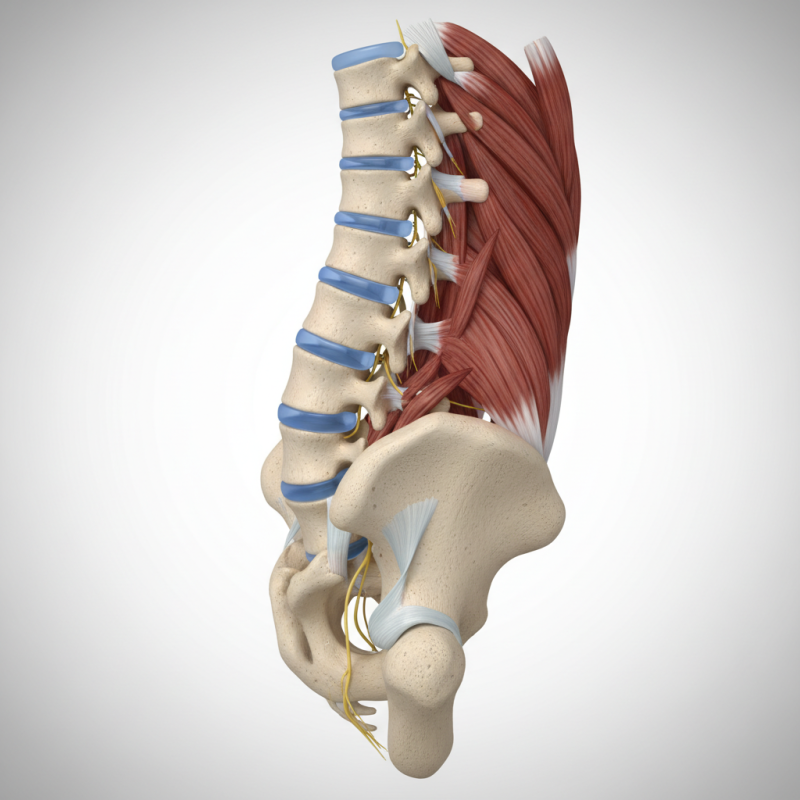
The thoracolumbar spine connects the thoracic and lumbar regions. It consists of twelve thoracic vertebrae and five lumbar vertebrae. These structures support the upper body and play a key role in mobility. Each vertebra has unique features that facilitate movement and flexibility.
Surrounding the thoracolumbar spine are vital structures. Discs between the vertebrae act as shock absorbers. Ligaments provide stability and support to the entire system. Muscles attached to these areas allow for bending and twisting movements. Sometimes, imbalances can lead to discomfort. Many people ignore these signs until pain becomes severe.
Injuries can occur due to improper lifting or poor posture. The spine may also become misaligned over time. Strong core muscles help maintain spine alignment. However, many neglect core strength. This can lead to potential injuries or chronic pain. Understanding the anatomy of the thoracolumbar spine is crucial for maintaining a healthy back.
The thoracolumbar spine plays a critical role in body mechanics. It connects the thoracic spine to the lumbar region, providing support and flexibility. This area of the spine bears significant weight. It typically supports a load of nearly 70% of the upper body weight during various activities. As a result, understanding its function is vital for injury prevention and rehabilitation.
One key function of the thoracolumbar spine involves stability. It helps maintain an upright posture. Poor posture can lead to chronic pain and discomfort. Studies indicate that approximately 80% of adults experience back pain at some point. Fatigue or weakness in this region often contributes to such issues. Proper training and strength exercises can alleviate strain and enhance support.
Tip: Focus on core stability exercises as part of your routine. Engage in activities like planking or bird-dogs to build strength.
Moreover, the thoracolumbar spine allows for different types of movements, such as twisting and bending. This range of motion is essential during daily tasks. However, improper technique can set the stage for injury. Many individuals do not emphasize proper biomechanics, which often leads to strains. Listen to your body. Adjust your movements to prevent discomfort.
Tip: When lifting heavy objects, maintain a neutral spine. Avoid twisting your torso while carrying weight. This simple adjustment can prevent injuries.
The thoracolumbar spine is crucial for your body. It connects the thoracic and lumbar regions. This area has many responsibilities, like supporting body weight and enabling movement. Understanding its disorders is important for maintaining health.
Common disorders affecting the thoracolumbar spine include herniated discs and spinal stenosis. A herniated disc can cause severe pain. It occurs when the soft center of a disc pushes through its outer shell. Symptoms may range from localized pain to numbness in the legs. Spinal stenosis involves narrowing of the spinal canal. This can put pressure on the spinal cord and nerves. It often leads to discomfort and issues with mobility.
**Tips:** Maintain a stable posture while sitting. Avoid heavy lifting without proper techniques. Regular exercise can strengthen your back muscles. Simple stretches can prevent stiffness. If you experience persistent pain, consult a healthcare professional. Recognizing small signs can lead to better outcomes. It's easy to overlook these indicators when busy. Taking time to reflect on body signals is crucial for long-term health.
The thoracolumbar spine is vital for mobility. It connects the thoracic and lumbar regions of the spine. Proper diagnosis of issues in this area is crucial. Various techniques can help identify problems early on.
X-rays are often the first step. They provide a clear view of bone structures. However, they won’t show soft tissue damage. MRI scans offer a deeper look, revealing herniated discs or nerve compression. This makes them invaluable. CT scans combine features of both X-rays and MRIs. They can help in more complex cases.
Physical examinations play a key role as well. A doctor observes the patient’s movements and stance. They may check for pain or tenderness. Sometimes, patients may not report all symptoms. This can lead to misdiagnosis. Communication is essential between patients and healthcare providers. Understanding the thoracolumbar spine is important for effective treatment. Yet, there’s always room for improvement in diagnostic techniques and patient awareness.
| Diagnostic Technique | Description | Use Case | Advantages |
|---|---|---|---|
| X-ray | A quick imaging technique to view bone structure. | Initial assessment of spine alignment and fractures. | Widely available, fast, and low cost. |
| MRI | Uses magnetic fields to create detailed images of soft tissues. | Evaluating disc herniation and spinal tumors. | No radiation exposure and excellent soft tissue contrast. |
| CT Scan | Combines X-ray images taken from different angles. | Detailed view of bony structures and complex fractures. | Quick and very detailed imaging, useful for emergency situations. |
| Ultrasound | Uses sound waves to generate images of soft tissues. | Assessment of soft tissue around the spine. | Safe, no radiation, and portable. |
| Electromyography (EMG) | Measures electrical activity in muscles. | Diagnosing nerve or muscle disorders. | Helps differentiate between muscle and nerve problems. |
The thoracolumbar spine plays a crucial role in your body. It connects the thoracic and lumbar regions, providing support and flexibility. Many conditions can affect this area, causing discomfort and limited movement. Understanding treatment options is vital for managing these issues effectively.
Physical therapy is often recommended for thoracolumbar spine conditions. It can help strengthen the muscles supporting the spine. Exercises designed by a professional can improve flexibility and stability. Focus on your core muscles; they are essential for support.
Medication may be prescribed for pain relief. Non-steroidal anti-inflammatory drugs are common choices. However, they may not work for everyone. It’s important to monitor how your body responds. Some people may experience side effects.
Surgery is an option for severe cases. It can alleviate pressure on nerves and improve function. However, it’s a significant decision. Recovery can take time, and outcomes are not guaranteed. Stay informed about your options, and discuss all concerns with your healthcare provider.
: It connects the thoracic spine to the lumbar region and supports flexibility and weight bearing.
It typically bears around 70% of the upper body weight during various activities.
Understanding its function helps prevent injuries and aids in rehabilitation processes.
Poor posture can lead to chronic pain and discomfort, affecting many adults.
Core stability exercises, like planking or bird-dogs, can enhance support in this area.
Not maintaining a neutral spine or twisting while lifting can set the stage for strains.
X-rays, MRIs, and CT scans are commonly used for proper diagnosis and evaluation.
Misdiagnosis can happen if patients do not report all symptoms; effective dialogue is key.
X-rays provide a view of bone structures but do not show soft tissue damage.
By understanding the thoracolumbar spine, patients can seek timely treatment and better support.
The Thoracolumbar Spine System plays a crucial role in the overall structure and functionality of the human body. This region, located between the thoracic and lumbar areas, comprises essential anatomical structures, including vertebrae, intervertebral discs, and supporting ligaments. Understanding the anatomy is vital for comprehending how the thoracolumbar spine contributes to body mechanics, such as facilitating movement and providing stability.
Common disorders affecting the Thoracolumbar Spine System include herniated discs, scoliosis, and degenerative disc disease. These conditions can lead to significant discomfort and mobility issues. Diagnostic techniques, such as MRI and X-rays, are commonly employed to identify these problems accurately. Treatment options range from conservative measures like physical therapy and medication to surgical interventions, depending on the severity of the condition. Recognizing the significance of the thoracolumbar spine is essential for maintaining overall spinal health.