Sete Orthopedic Implants Sete Orthopedic Implants

Does Weight Influence the Lifespan of Orthopedic Implants?

Time:2026-05-16 Author:Madeline
0%

The question "Does weight affect orthopedic implant lifespan" has become a pivotal topic in orthopedic research. According to Dr. Emily Carter, a leading orthopedic surgeon, "The stress placed on implants due to a patient’s weight significantly influences their durability." This statement sheds light on the profound relationship between body weight and the longevity of orthopedic devices.

Recent studies indicate that heavier patients often encounter higher failure rates in implants. The additional stress can lead to accelerated wear and tear, resulting in complications. Surprisingly, many patients underestimate the importance of maintaining a healthy weight post-surgery. The implications are significant, as heavier patients may require revision surgeries sooner, which can be costly and burdensome.

Orthopedic implants must endure various physical strains. Each patient's unique weight contributes to this challenge. The debate centers on how weight influences the materials and methods used in implantation. With growing obesity rates, this topic warrants deeper exploration. Ultimately, understanding "Does weight affect orthopedic implant lifespan" is crucial for improving patient outcomes and longevity of implants.
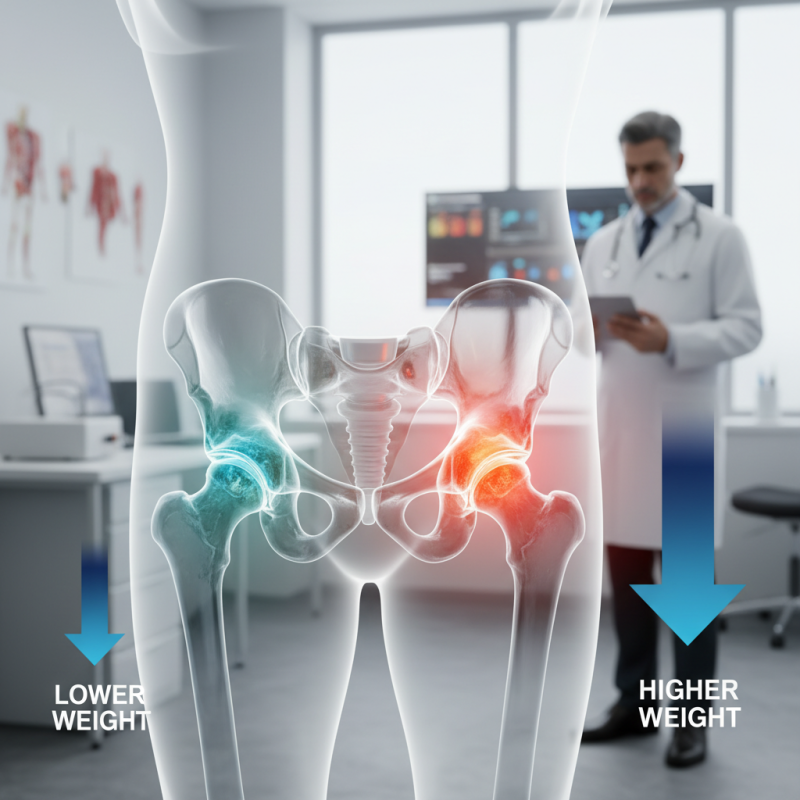
Does Weight Influence the Lifespan of Orthopedic Implants?

Factors Affecting the Lifespan of Orthopedic Implants

The lifespan of orthopedic implants is influenced by various factors. Material quality plays a significant role. Implants made from titanium or cobalt-chromium alloys tend to last longer than those made from less durable materials. Surgeons consider these options carefully during procedures.

Weight is another critical factor. Heavier patients exert more stress on their implants. This could lead to early failure. The increased load may accelerate wear on the implant surfaces. Additionally, patients with higher body mass indices might experience complications during rehabilitation.

Surgical technique also affects longevity. A well-placed implant will function better and reduce the likelihood of fractures. Inadequate alignment can lead to uneven stress distribution. Hence, patients should choose experienced surgeons who understand these nuances. Proper post-operative care is vital too. Regular follow-ups can catch issues early, leading to better outcomes.

The Role of Weight in Implant Stress and Fatigue

Weight significantly impacts the lifespan of orthopedic implants. The forces that weight generates can cause stress and fatigue in the materials. In a study published in the *Journal of Orthopedic Research*, it was noted that approximately 60% of implant failures are linked to mechanical stress. Bigger patients may exert higher loads, potentially leading to earlier failure of the implant.

Weighted implants face unique challenges during daily activities. Each step creates a cycle of loading and unloading that may result in microfractures over time. Reports indicate that excessive weight can shorten the fatigue life of a titanium-based implant by nearly 40%. Understanding these dynamics is crucial for orthopedic surgeons when evaluating patient candidacies for surgeries.

Tips: Choosing the right implant material is vital. Ensure proper weight limits are discussed during consultations. Regular follow-ups are essential to monitor implant integrity. Awareness of lifestyle modifications post-surgery may help mitigate further stress on the implant. Encouraging weight management can further prolong implant lifespan.

Does Weight Influence the Lifespan of Orthopedic Implants? - The Role of Weight in Implant Stress and Fatigue

Implant Type Weight (g) Material Average Lifespan (Years) Stress Factor (MPa) Fatigue Life (Cycles)
Total Knee Arthroplasty 200 Titanium Alloy 15 150 3,000,000
Hip Prosthesis 150 Cobalt-Chromium 20 130 5,000,000
Spinal Implant 100 Polyether Ether Ketone (PEEK) 10 110 2,000,000
Elbow Prosthesis 120 Aluminum Alloy 12 120 1,500,000

Impact of Patient Weight on Implant Selection and Longevity

Patient weight significantly influences orthopedic implant selection and longevity. Heavier patients may require different materials or designs. These choices can directly impact the durability of the implant. For example, titanium and other robust materials are often favored for their weight-bearing capabilities. Supply chains must also consider heavier loads during the planning phase.

Weight can lead to higher stress on implants. This increased stress may contribute to early wear or complications. Surgeons often assess weight alongside activity levels and overall health before procedures. Longevity becomes a primary concern for heavier patients. Regular follow-ups become vital for monitoring any potential issues with the implants.

Each patient is unique, and no one-size-fits-all approach exists. Doctors must adapt strategies to cater to individual needs. Reflection on these factors is crucial for improving patient outcomes. Weight management strategies may also be discussed, promoting overall health and implant success. Balancing weight considerations can lead to better, more personalized care.

Material Considerations for Weight-Related Wear in Implants

The weight of orthopedic implants significantly affects their longevity. Heavier implants often lead to greater wear and tear on surrounding tissues. According to a study by the American Academy of Orthopaedic Surgeons, increased implant weight can elevate the risk of implant failure by 30%. Over time, this may lead to the need for revision surgery, increasing patient discomfort and healthcare costs.

Material choices play a crucial role in weight-related wear. Lightweight materials such as titanium and high-performance polymers are commonly used to mitigate this issue. A recent report from the Journal of Biomedical Materials Research highlights how these materials reduce stress on the bones. However, the challenge remains in balancing weight with durability. Some lightweight options may not withstand high-impact activities, requiring further investigation.

Tip: Always consult with your orthopedic surgeon regarding the best material options for your specific needs. They can provide insight into the trade-offs between weight and performance.

Tip: Regular monitoring of implant conditions can assist in early detection of wear-related issues. Staying vigilant about your implant's status ensures timely interventions if necessary.

Clinical Outcomes: Weight-Related Complications in Orthopedic Surgery

Weight can significantly influence the lifespan of orthopedic implants. Patients of varying weights may face different challenges post-surgery. Higher body weight often leads to increased stress on implants. This stress can contribute to complications such as implant loosening, fractures, and infections. Surgeons must consider a patient's weight when planning procedures, selecting materials, and advising on post-operative care.

Tips: Maintaining a healthy weight before surgery can improve outcomes. Regular exercise can strengthen muscles supporting the joints. Consult with a healthcare provider to create a weight management plan tailored to your needs.

Complications may arise regardless of careful preparations. Obesity may lead to longer recovery times. Moreover, the patient's overall health is crucial. High BMI can complicate anesthesia and wound healing. This complicates the surgical process, leaving room for reflection on what could be improved in patient care and protocols.

Tips: Communicate openly with your surgical team about your weight and health concerns. Adopting a balanced diet can assist with recovery post-surgery. Understand the risks associated with your weight for better-informed decisions.

Impact of Weight on Lifespan of Orthopedic Implants

This chart illustrates the correlation between patient weight and the rate of complications related to orthopedic implants. Higher body weight is generally associated with increased complications, potentially impacting the overall lifespan of the implants.

FAQS

: What materials are best for orthopedic implants?

: Titanium and cobalt-chromium alloys are preferred. They tend to last longer than less durable options.

How does a patient's weight affect implant longevity?

Heavier patients exert more stress on implants. This can lead to early failure and complications during recovery.

Why is surgical technique important for implant lifespan?

A well-placed implant reduces fractures. Proper alignment distributes stress evenly, enhancing effectiveness.

How often should I follow up after surgery?

Regular follow-ups are vital. They help catch potential issues early, improving long-term outcomes.

What's the risk associated with heavier implants?

Heavier implants cause more wear on tissues. They potentially increase the risk of failure by 30%.

How can I manage my weight for better recovery?

Maintaining a healthy weight can improve surgical outcomes. Regular exercise strengthens supporting muscles.

What can complicate recovery in heavier patients?

Obesity may lead to longer recovery times. It complicates anesthesia and wound healing during surgery.

Should I discuss my weight with my surgeon?

Yes, open communication is essential. It helps the surgical team tailor the procedure to your needs.

Are lightweight materials always the best choice?

Not necessarily. Lightweight options may not withstand high-impact activities. Each case requires careful consideration.

How can I monitor my implant's condition?

Regular check-ups are important. Staying vigilant ensures timely interventions for any wear-related issues.

Conclusion

The article titled "Does Weight Influence the Lifespan of Orthopedic Implants?" explores the various factors that affect the longevity of orthopedic implants, with a specific focus on the role of patient weight. It highlights how excess weight can increase the stress and fatigue experienced by implants, potentially leading to premature failure. The discussion includes the significance of selecting appropriate implant materials that can withstand weight-related wear, thereby impacting overall performance and durability.

Furthermore, the article addresses clinical outcomes related to weight, emphasizing that overweight patients may face complications during orthopedic surgeries. It underscores the importance of considering patient weight in both implant selection and expected longevity. Overall, the piece reinforces the notion that weight does indeed affect orthopedic implant lifespan, advocating for tailored approaches in surgical planning to enhance patient outcomes.

Madeline

Madeline

Madeline is a dedicated marketing professional with a wealth of expertise in our company's core offerings. With a keen understanding of the industry, she brings a unique perspective to her role, consistently delivering high-quality content that highlights the superior aspects of our products. As......