 Sete Orthopedic Implants
Sete Orthopedic Implants
Sete Orthopedic Implants
Why do bones need orthopedic implants? This question opens the door to understanding how our skeletal system heals after injury. Bones, when fractured, require stable support to heal correctly. Without proper alignment and stability, healing can be delayed or result in complications.
Orthopedic implants serve as a bridge during recovery. They provide strength and allow normal movement. However, the use of these devices can also spark debate. Some might wonder if the body can heal on its own, without assistance. It's a valid concern.
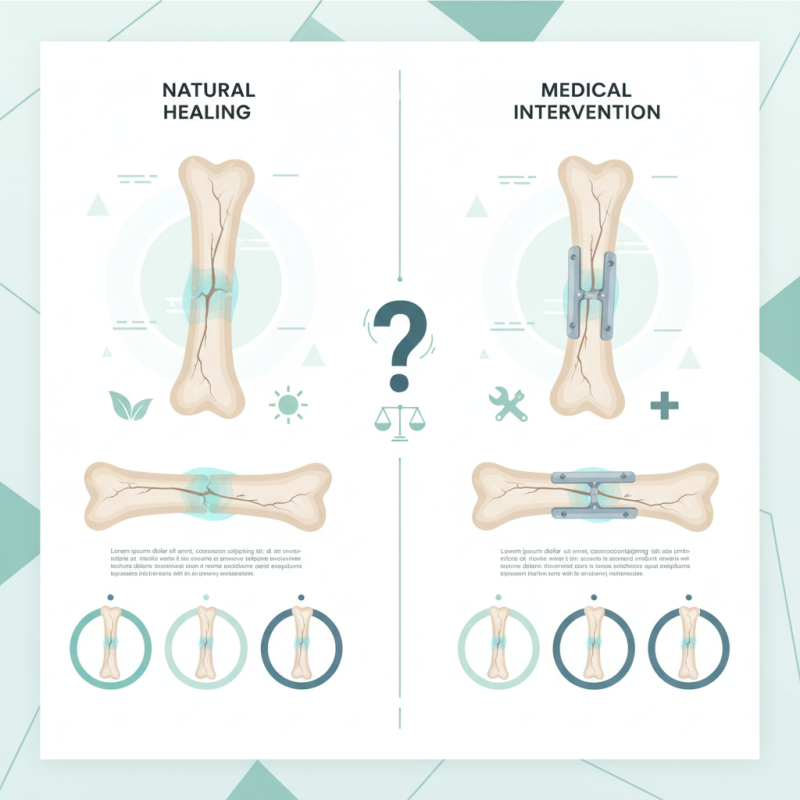
While the human body has incredible healing abilities, certain injuries need extra support. Not all fractures are the same. Complex breaks often require implants to guide the healing process effectively. The need for orthopedic implants emphasizes our dependence on medical advancements. It also pushes us to reflect on the balance between natural healing and medical intervention.
Bone health is essential for recovery after injuries or surgeries. According to the American Academy of Orthopaedic Surgeons, nearly 25% of adults experience fractures, often leading to significant mobility issues. A well-functioning bone structure facilitates healing and restores strength.
Orthopedic implants play a crucial role here. They support bones during the healing process, allowing patients to regain function more quickly and effectively.
When bones are damaged, the healing process can be slow and complicated. Research from the National Institutes of Health shows that bone density can decrease significantly in immobilized patients. This loss of density can hinder recovery and lead to further complications. Proper nutrition, including adequate calcium and vitamin D intake, becomes vital. Physical therapy is equally important, ensuring bones regain strength and flexibility post-implantation.
Patients sometimes overlook the significance of bone health. Relying solely on implants can lead to a false sense of security. It’s essential to adopt a holistic approach to recovery. Regular check-ups with healthcare providers and lifestyle adjustments contribute to long-term bone health. Ultimately, a balanced strategy can enhance recovery outcomes and improve overall well-being.
: Orthopedic implants stabilize fractured bones and promote proper healing. They support damaged bone structures.
Common implants include plates, screws, and rods. Each type serves a unique purpose in supporting bones.
Implants hold bone fragments together, allowing them to heal properly. They act as a scaffold for new bone growth.
Risks include infections, implant failure, and allergic reactions. These complications can delay recovery and require treatment.
Regular check-ups are crucial. They help monitor progress and detect any complications early.
Yes, complications like infections or poor integration can hinder recovery. They may lead to pain or limited mobility.
Patients should discuss potential risks and complications. Understanding these can help them make informed decisions.
Yes, a balanced lifestyle can boost healing. It's vital to balance activity and rest during recovery.
Not all patients face complications, but some may arise unexpectedly. Awareness can help manage potential issues.
Many procedures show high success rates, but individual factors can influence outcomes. Each recovery is unique.
Orthopedic implants play a crucial role in the recovery of bone health, especially after fractures or surgeries. The question, "Why do bones need orthopedic implants?" can be answered by understanding their function in stabilizing and supporting fractured bones, which is essential for the healing process. Various types of implants, including plates, screws, and rods, are used to facilitate proper alignment and provide the necessary support during recovery.
In addition to mechanical support, the biocompatibility of these implants is vital, as it ensures that the body can accept the materials without adverse reactions. However, it is important to be aware of potential complications and risks, such as infection or implant failure, which can arise during the recovery journey. Ultimately, orthopedic implants are instrumental in promoting effective bone healing and restoring function, highlighting their importance in orthopedic medicine.
