Sete Orthopedic Implants Sete Orthopedic Implants

Why Do Older People Need Orthopedic Implants?

Time:2026-11-17 Author:Charlotte
0%

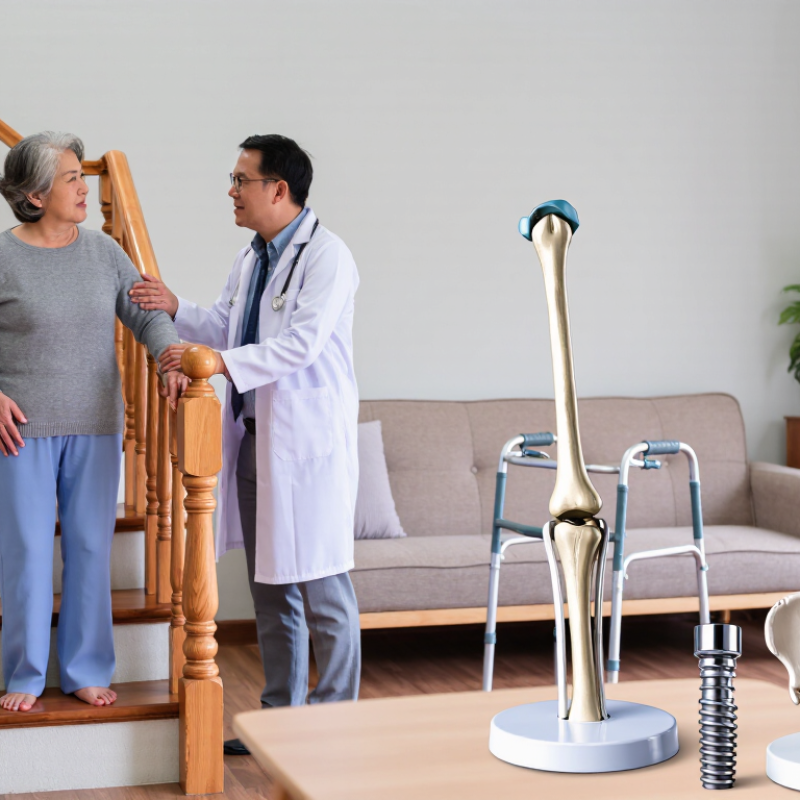
Why do older people need orthopedic implants? Often, the answer begins with an ordinary moment: a painful step out of bed, a stiff knee on the stairs, or a hip that makes standing difficult. Age alone is not a reason for surgery. But osteoarthritis, fractures, and other conditions can damage joints or bones enough to limit daily life. When treatments such as exercise, medication, or walking aids no longer provide adequate relief, an implant may help restore movement and reduce pain. It is one option, not a promise of a perfect result.

Orthopedic surgeon Kevin J. Bozic has described joint replacement as “one of medicine’s most successful procedures.” For many patients, a replacement knee or hip can make routine tasks more manageable. Yet recovery takes time. A person may need physical therapy, support at home, and help managing other health conditions. Implants also have risks, including infection, blood clots, and wear over time. That matters. Decisions should consider pain, mobility, overall health, personal goals, and the likely benefits and limits of surgery. A careful discussion with an orthopedic specialist can clarify whether an implant fits the individual’s needs. Some details are easy to miss: the distance to the bathroom, a loose rug, or a caregiver’s availability can shape recovery. These choices are personal, and the right answer is not always surgery.
Why Do Older People Need Orthopedic Implants?

Age-Related Changes in Bones and Joints

Why Do Older People Need Orthopedic Implants?

Age-Related Changes in Bones and Joints

With age, bones may lose density and take longer to repair. The International Osteoporosis Foundation estimates that one in three women and one in five men over 50 will experience an osteoporotic fracture. Cartilage can also thin, while joint tissues may stiffen. The World Health Organization reported that 528 million people had osteoarthritis in 2019; 73% were older than 55. These changes can make stairs, gripping a cup, or standing from a chair painful. Pain is not destiny. Age alone, however, does not determine who needs an implant.

When damage is severe and other treatments have not helped enough, an orthopedic implant may restore joint function or stabilize a fracture. Bone quality, overall health, activity level, and the affected joint all matter when clinicians assess likely benefits and risks. Two people of the same age can have very different bone strength and mobility. That makes age a useful clue, but an imperfect measure. Decisions should follow an individual examination and a discussion of recovery expectations.

Tips: Keep a record of pain, falls, and daily tasks that have become difficult. Ask how bone strength could affect implant fixation and healing. Share medicines and health conditions with your care team.

Common Conditions Treated With Orthopedic Implants

For many older adults, orthopedic implants are considered when damaged joints or bones make everyday movement painful or unsafe. Osteoarthritis is a common reason for hip or knee replacement. Worn cartilage can make standing from a chair, climbing stairs, or walking to the mailbox difficult. A surgeon may recommend an implant when other treatments have not provided enough relief. Age alone does not determine suitability. Strength, general health, goals, and the risks of surgery also matter. The picture is not always neat; pain levels and X-ray findings do not always match.

Fractures are another common reason. A fall can break a hip, wrist, or upper arm, especially when bones have weakened with age. Plates, screws, or rods may hold broken bone in position while it heals. Some older adults also develop spinal problems, such as instability or severe degeneration, for which implanted hardware may be considered. Recovery varies. A person may need help dressing or walking at first, and rehabilitation can feel slow. Clinicians weigh likely benefits against risks such as infection, blood clots, and complications from other health conditions. An implant can support movement, but it does not restore every ability or remove the need for follow-up care.

Why Do Older People Need Orthopedic Implants?

Joint implants can relieve pain and restore mobility when severe joint damage limits daily activities. Osteoarthritis is a common reason for hip and knee replacement; some hip implants are also used to treat fractures.

How to read this chart: An estimated 7.2 million people in the United States were living with a knee replacement and 4.7 million with a hip replacement, based on population estimates from 2010–2015. These are people living with replacements, not annual procedure counts. Replacement surgery is more common among older adults, but the estimates include adults of different ages.

How Implants Support Mobility and Daily Function

Why Do Older People Need Orthopedic Implants?

How Implants Support Mobility and Daily Function

Older adults do not need orthopedic implants simply because of age. A surgeon may recommend one when severe arthritis, a fracture, or joint damage makes everyday movement difficult. Depending on the person’s condition, an implant may replace or support part of a joint or bone. The practical goal is often modest: less pain, steadier walking, or easier transfers from a chair. Small changes matter. Reaching the kitchen, climbing a few steps, or getting dressed can feel more manageable when movement improves.

Results vary, and recovery takes time. Physical therapy helps many people rebuild strength and practice safe movement after surgery. A walker or cane may be useful during healing, even if the person hopes to stop using it quickly. An implant does not restore every ability, and it is not a reset button. Age, other health conditions, bone quality, and home layout can all affect recovery. A clinician can explain likely benefits and risks for the individual, rather than promising a particular outcome.

Tips: Ask which daily activities the implant is expected to support. Keep follow-up visits, follow the care team’s movement guidance, and report new pain, swelling, or wound changes promptly. Clear loose rugs and keep frequently used items within easy reach. Recovery can feel slower than expected; that deserves an honest conversation, not blame.

Factors That Guide Implant Decisions in Older Adults

Age alone does not determine whether an orthopedic implant is appropriate. A clinician considers how pain affects daily tasks, such as climbing stairs, dressing, or standing from a chair. They also review examination findings and imaging. A scan cannot tell the whole story. Pain matters.

Bone quality, joint damage, and overall health shape the discussion. Conditions such as diabetes or heart disease may affect surgical planning and recovery. Medicines, prior operations, and fall risk matter too. The care team may assess whether the person can safely use a walker and attend rehabilitation. These details can change the timing or type of treatment.

Personal goals are equally important. One older adult may hope to walk to a nearby shop; another may prioritize easier transfers at home. Clinicians discuss likely benefits, possible complications, and non-surgical options in plain language. They should also ask about memory, support at home, and who can help during recovery. The decision is not always neat. A person’s priorities may differ from what an X-ray seems to suggest, so questions and reassessment are part of careful planning.

Why Do Older People Need Orthopedic Implants? — Factors That Guide Implant Decisions in Older Adults

Decision Factor What Clinicians Assess How It Can Guide Implant Decisions
Type and severity of the condition Whether the problem is a fracture, advanced joint disease, spinal condition, or another source of pain and impaired movement; imaging and examination help define its extent. An implant may be considered when a fracture needs stabilization or when severe joint damage has not responded adequately to nonsurgical care. The procedure and implant depend on the specific condition.
Pain and everyday function Pain level, walking ability, independence, sleep, and difficulty with activities such as dressing or getting out of a chair. The likely benefit is weighed against surgical risks. The goal is usually to relieve symptoms and improve useful function, rather than to treat age itself.
Bone quality Bone density, bone shape, fracture pattern, and whether the bone is likely to provide reliable support for an implant. Bone quality can affect implant design and how it is secured. Depending on the bone and procedure, fixation may use bone cement, biological bone ingrowth, or another method selected by the surgical team.
Overall health and medical conditions Heart and lung health, diabetes, kidney disease, circulation, prior surgery, and other conditions that may affect anesthesia, healing, or complications. Medical conditions may need treatment or optimization before surgery. In some cases, they may change the timing, approach, or suitability of an operation.
Medications and bleeding risk Use of blood thinners, medicines affecting bone or immunity, allergies, and other treatments that may influence bleeding or recovery. The care team reviews medications and makes a coordinated plan for surgery and recovery. Patients should not stop prescribed medicines without medical guidance.
Mobility, strength, and fall risk Balance, muscle strength, walking aids, previous falls, and the ability to participate in rehabilitation. Rehabilitation plans and home-safety measures are considered alongside the implant procedure. Improving strength and reducing fall hazards can support recovery and protect mobility.
Expected recovery and support at home Cognition, ability to follow postoperative instructions, caregiver availability, home layout, and access to physical therapy. These factors help shape discharge planning, rehabilitation setting, and the level of assistance needed during recovery.
Patient goals and preferences The person’s priorities, acceptable recovery burden, concerns about surgery, and expectations for pain relief and activity. Shared decision-making helps determine whether the expected benefits of an implant align with the patient’s goals and circumstances.

Key point: Older age alone does not determine whether an orthopedic implant is appropriate. Decisions are individualized according to the diagnosis, bone and general health, likely benefits and risks, and the patient’s goals.

Recovery, Risks, and Long-Term Implant Care

Recovery after an orthopedic implant is rarely a straight line. Pain, swelling, and tiredness may fluctuate during the first weeks. A short walk to the kitchen can feel like real work. Physical therapy usually builds strength and balance gradually, guided by the surgical team’s plan. Progress may be slower with fragile bones, diabetes, heart conditions, or limited mobility. It is tempting to judge recovery by the calendar; that can be misleading. Small gains matter.

There are risks to watch for. Infection, blood clots, falls, and implant loosening are possible, though individual risk varies. New fever, wound drainage, sudden breathlessness, or worsening calf swelling needs prompt medical attention. Keep follow-up visits, even when the joint feels better. Clinicians may check healing, movement, and implant position over time. At home, clear loose rugs, use walking aids as directed, and avoid lifting beyond advised limits. Long-term care is not just a scan or appointment. It also means reporting new pain, stiffness, or reduced function rather than assuming these changes are simply part of aging. Pain medicines and activity plans should be reviewed with a clinician, especially when other conditions or medicines are involved.

FAQS

Does age alone mean someone needs an orthopedic implant?

No. Age is only one clue. Bone strength, health, activity, and the affected joint also matter.

What conditions may lead to an implant?

Severe osteoarthritis may lead to hip or knee replacement. Plates, screws, or rods can stabilize some fractures. Spinal hardware may be considered for certain problems.

How do clinicians decide whether an implant may help?

They assess symptoms, bone quality, general health, and personal goals. They also discuss risks and recovery expectations. The picture can be messy.

What should someone track before an appointment?

Record pain, falls, and tasks that have become difficult. Note whether stairs, walking, or standing from a chair cause trouble.

What is recovery often like?

Pain, swelling, and tiredness may change during the first weeks. Therapy builds strength and balance gradually. Small gains matter.

Which symptoms need prompt medical attention after surgery?

Seek prompt care for a new fever, wound drainage, sudden breathlessness, or worsening calf swelling. Risks vary between people.

How can someone support recovery at home?

Clear loose rugs and use walking aids as directed. Avoid lifting beyond advised limits. Keep follow-up visits, even when the joint feels better.

Does an implant restore every ability?

Not always. It may support movement, but some people still need help or ongoing care. Recovery timelines can be misleading.

Conclusion

Why do older people need orthopedic implants? As people age, bones may become less dense, cartilage can wear down, and joints may lose flexibility or stability. These changes can contribute to conditions such as severe arthritis, fractures, or damage to a hip or knee that limits movement. When other treatments do not provide enough relief, an orthopedic implant may help support the affected joint or bone, ease pain, and make everyday activities such as walking, standing, and dressing more manageable.

The decision to use an implant depends on a person’s overall health, symptoms, mobility goals, bone condition, and the likely benefits and risks of surgery. Recovery may involve rehabilitation and a gradual return to activity, while possible complications and individual healing needs should be discussed with a healthcare professional. Long-term follow-up and care can help monitor the implant and support continued function.

Charlotte

Charlotte

Charlotte is a seasoned marketing professional with a deep understanding of the company's portfolio and a passion for elevating its presence in the market. With a keen eye for detail and a commitment to excellence, she ensures that our professional blog is regularly updated with insightful articles......