Sete Orthopedic Implants
The Global Landscape of Small Fragment Locking Systems
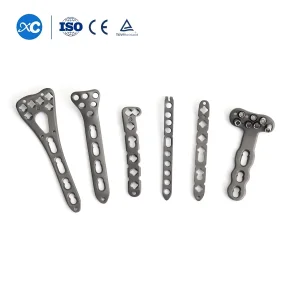
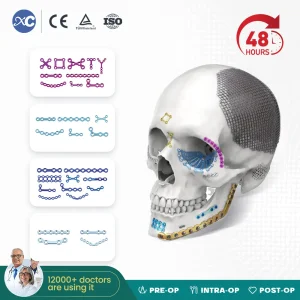
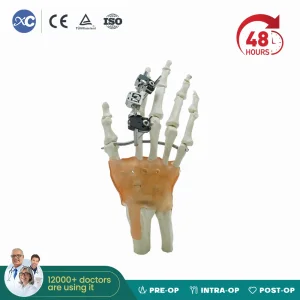
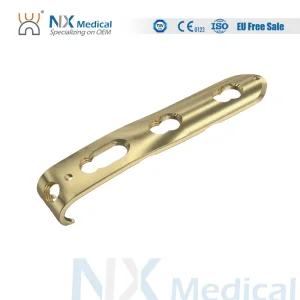
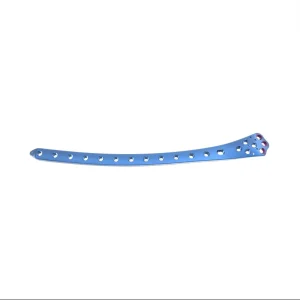
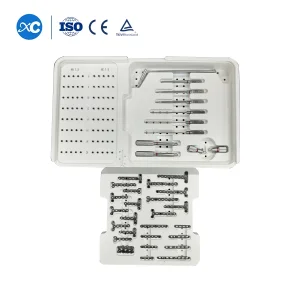
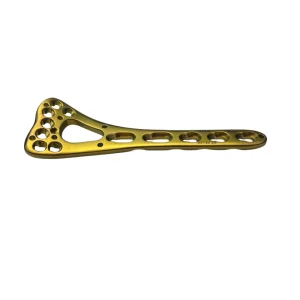
The global orthopedic trauma market has witnessed a significant paradigm shift with the introduction of the Small Fragment Locking System. As surgical techniques evolve toward minimally invasive procedures, the demand for high-precision, low-profile implants has skyrocketed. These systems are predominantly utilized for fractures in smaller bones such as the distal radius, fibula, humerus, and distal tibia, where anatomical fit and stable fixation are paramount.
Industrial Trend Note: Modern locking systems now integrate Variable Angle (VA) technology, allowing surgeons to direct screws into specific bone fragments with greater flexibility, ensuring better clinical outcomes for complex articular fractures.
01Manufacturing Excellence in China
China has emerged as a global powerhouse in the manufacturing of orthopedic implants. By leveraging advanced CNC machining, high-purity medical-grade Titanium (Grade 5/ELI), and strict quality control protocols, Chinese manufacturers like Shanghai Sete Technology Co., Ltd. provide solutions that rival European and American brands in quality while maintaining significant cost advantages. This dual benefit of "High Quality + Competitive Pricing" is driving global procurement shifts toward Chinese suppliers.
Innovative Mechanical Design
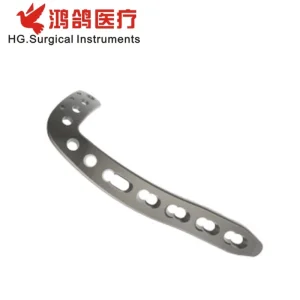
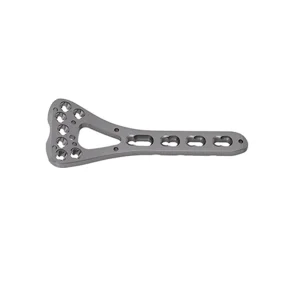
The locking compression plate (LCP) design within the small fragment system combines the principles of compression plating and internal fixation. This unique "Internal Fixator" concept ensures that the plate does not need to be pressed tightly against the periosteum, thereby preserving the blood supply to the bone and accelerating the healing process. Our systems are designed with tapered ends to facilitate sub-muscular insertion, a key requirement for modern trauma surgery.