Sete Orthopedic Implants
Sete Orthopedic Implants
Sete Orthopedic Implants
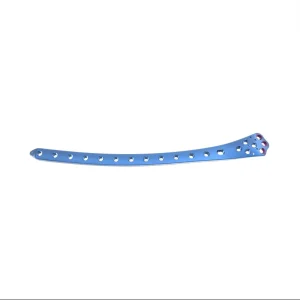
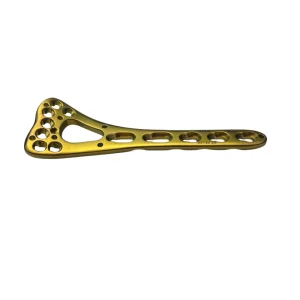
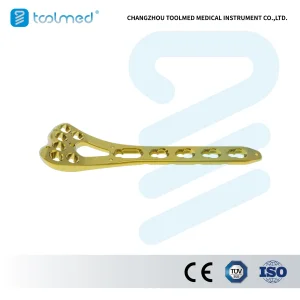
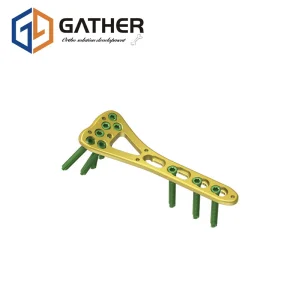
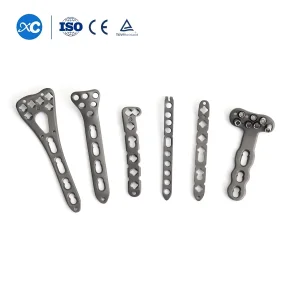
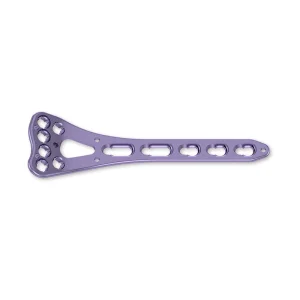
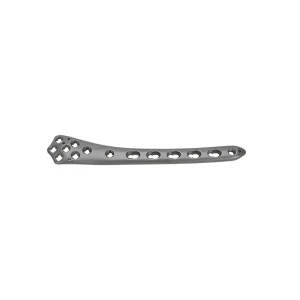
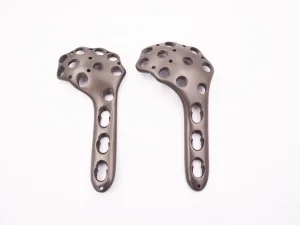
The distal femoral locking plate is a critical component in the treatment of supracondylar and intercondylar fractures of the femur. As the global population ages, the incidence of osteoporotic fractures has surged, while high-energy trauma from industrial and vehicular accidents continues to demand high-strength fixation solutions. In the current commercial landscape, the Distal Femoral Locking Plate industry is transitioning from standard plate designs to highly specialized, anatomically contoured, and polyaxial locking systems.
North America and Europe remain the largest markets due to advanced healthcare infrastructure, but the Asia-Pacific region is the fastest-growing hub for orthopedic implant manufacturing and consumption.
The industry is moving toward "Smart Implants" and 3D-printed custom solutions. OEM/ODM factories are now required to provide sub-millimeter precision in plate contouring.
Compliance with MDR in Europe and FDA in the USA has reshaped the supplier landscape, favoring manufacturers with robust quality management systems (ISO 13485).
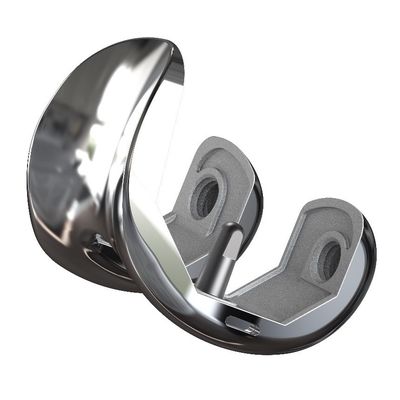
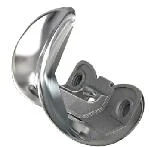
Our Artificial Knee Joint SKII CR Femoral Condyle represents the pinnacle of biocompatible engineering. Designed for patients requiring total knee arthroplasty, this component works in harmony with distal femoral fixation strategies. Its polished cobalt-chrome surface reduces wear, while the anatomical curvature ensures natural kinematics.
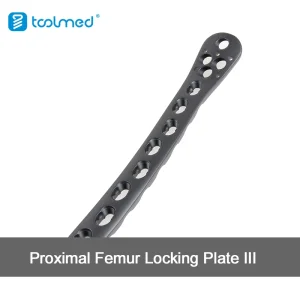
Modern surgeons demand plates that can be inserted via small incisions. Our distal femoral locking plates are designed with bullet-shaped tips to facilitate percutaneous insertion, reducing soft tissue trauma and accelerating patient recovery.
Standard locking screws are limited to a fixed trajectory. VA technology allows for up to 15-30 degrees of screw angulation, enabling surgeons to target specific bone fragments or avoid existing implants, which is crucial in periprosthetic fracture management.
The demand for HA (Hydroxyapatite) or antimicrobial coatings is increasing. These coatings promote faster osseointegration, especially in elderly patients with poor bone quality, reducing the risk of implant loosening or infection.
The integration of distal femoral plates with preoperative planning software and navigation systems is the new standard. Suppliers must provide digital templates (CAD files) for surgeons to simulate the procedure virtually.
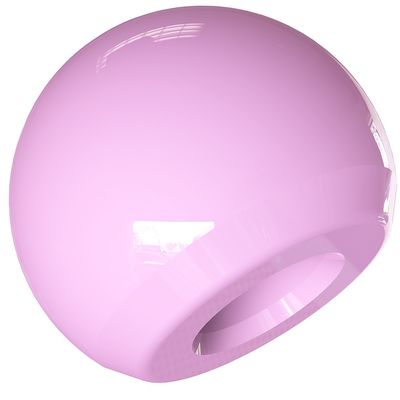
In complex femoral reconstruction, the Ceramic Femoral Head for Total Hip Arthroplasty (THA) is a preferred choice for high-demand patients. Its exceptional hardness and low friction coefficient make it the gold standard for modern orthopedic surgery. When used alongside our distal femoral systems, it provides a comprehensive reconstructive solution for the entire femur.
Superiority in Every Detail: High fracture toughness, extreme chemical stability, and zero metal ion release. Perfect for patients with metal sensitivities.
Shanghai Sete Technology Co., Ltd. is not just a supplier; we are your strategic partner in the orthopedic field. Based in China's most advanced industrial hub, we leverage a complete supply chain to provide high-end solutions at competitive price points.
With over 30 years of experience, we provide custom plate geometry, screw hole configurations, and private labeling. Our R&D team works directly with your engineers to bring designs from concept to clinical use.
Unlike many regional distributors, we control the entire manufacturing process—from raw titanium sourcing to final sterile packaging. This ensures no MOQ hurdles and consistent lead times.
We provide surgical technique workshops and send expert demonstrators to support distributors globally. We understand that selling a plate is only half the battle; ensuring successful surgical outcomes is our true goal.
The Distal Femoral Locking Plate finds its application in diverse clinical settings. In Trauma Centers, it is the primary choice for comminuted fractures where traditional plates fail due to lack of angular stability. The locking mechanism acts as an internal fixator, bridging the fracture site and allowing for secondary bone healing through callus formation.
In Geriatric Orthopedic Units, where bone mineral density is low, our plates provide the necessary "grip" that conventional screws cannot achieve. By distributing the load across multiple locking points, the risk of "cut-out" or implant failure is significantly reduced.
Furthermore, in Rehabilitative Surgery, the anatomical fit of our plates reduces the need for intraoperative bending, which maintains the integrity of the plate's fatigue strength. This is particularly important for active patients who require early weight-bearing and mobilization to prevent joint stiffness and deep vein thrombosis (DVT).