Novosibirsk Supply Program
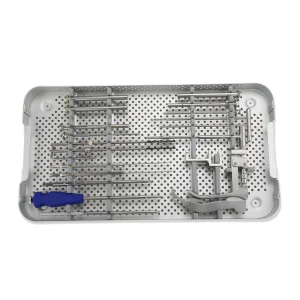
Humeral Nail Instrument Set for Bone Surgical
Designed for proximal humeral fracture workflows and aligned instrument trays that support efficient operating-room turnover.
 Sete Orthopedic Implants
Novosibirsk distributors and hospital procurement teams need more than a catalog. They need procedure-ready revision systems, predictable documentation, sterile-packaging compatibility, and a supplier that understands the clinical difference between primary and revision arthroplasty. The four products below are selected for their relevance to trauma, limb reconstruction, minimally invasive spine procedures, and revision-ready instrument planning. Each card keeps the original product URL for direct technical review and quotation.
Designed for proximal humeral fracture workflows and aligned instrument trays that support efficient operating-room turnover.
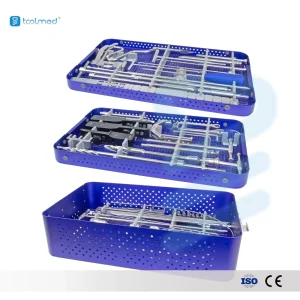
A CE-oriented instrument set configuration for femoral nail procedures, suitable for distributor tenders and hospital standardization projects.
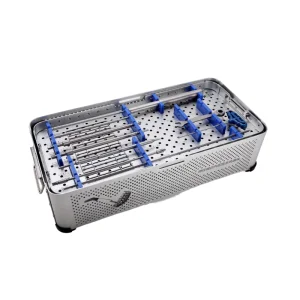
Minimally invasive spine instrumentation with a focus on tray organization, screw placement control, and reusable component traceability.
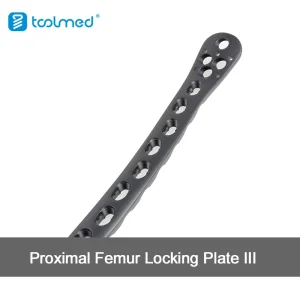
Proximal lateral femoral plate system for complex femoral fracture patterns where anatomical contour and screw trajectory matter.
Novosibirsk is not simply a geographic entry point to Siberia. It is one of Russia’s largest scientific, industrial, and medical-service hubs, with a clinical ecosystem that includes federal and regional treatment centers, private hospital groups, academic research institutions, and a distributor community serving surrounding oblasts and industrial cities. For revision hip and knee systems, that means procurement decisions are influenced by clinical access, cold-weather logistics, sterilization capacity, documentation quality, and long-term service response rather than product price alone.
The local business landscape also creates specific expectations. Distributors in Novosibirsk often need to balance tender-driven public hospital demand with faster-moving private-sector requirements. Hospitals want revision trays that integrate with existing CSSD workflows, reduce reprocessing friction, and support predictable turnover. Surgeons expect instrumentation that feels familiar under time pressure, while procurement teams require supplier evidence: traceability, validation records, packaging integrity, and a clear path for registration support within the Eurasian Economic Union framework.
Industrial context matters as well. Novosibirsk and the broader Siberian region face longer transport distances, seasonal temperature variation, and inventory planning challenges that reward suppliers with robust packaging, flexible order quantities, and a capacity to hold buffer stock for high-value revision kits. For global manufacturers and China-based factory partners, the winning approach is not simply to ship products; it is to build a localized support model that connects factory engineering, regulatory documentation, distributor training, and hospital service expectations.
Revision arthroplasty growth is linked to aging populations, earlier primary joint replacement, periprosthetic infection management, and complex fracture revision. Novosibirsk’s hospital ecosystem needs reliable access to augments, stems, constrained knee options, and extraction instruments.
Local distributors require competitive action on documentation, loaner kits, and surgeon training. A supplier that only offers a product list without regulatory or technical support creates hidden cost for the Novosibirsk channel.
Even for sterile-packed implants, winter logistics and long transit corridors demand robust packaging validation, desiccant control, pallet stability, and clear damage-reporting procedures.
Search behavior around this topic reveals several distinct intent groups. The first is commercial investigation: distributors, hospital buyers, and OEMs want factory capability, certifications, MOQ terms, and product links. The second is clinical-fit research: surgeons and biomedical engineers compare revision systems by fixation philosophy, modularity, material, and instrument ergonomics. The third is localization assurance: procurement teams need to know whether a supplier can support EAEU registration, Russian-language labeling, customs documentation, and post-market traceability.
A supplier page that addresses only product names will struggle to satisfy these intents. Semantic search now connects revision hip systems with concepts such as acetabular revision, femoral stem revision, knee revision constraint, bone defect management, antibiotic cement spacers, pulsed lavage, extraction tools, sterile packaging, and CSSD compatibility. Google’s quality frameworks reward content that demonstrates real experience and clearly separates verified capability from unsupported claims. This white paper therefore uses topic clusters rather than keyword repetition: local market context, technical roadmap, macro solutions, compliance, Factory 4.0 resilience, and distributor support.
Information gain for buyers: the strongest supplier pages do not just say “we have CE/ISO.” They show how documentation, instrument trays, training, packaging, and supply planning reduce risk for a Novosibirsk hospital or distributor.
Revision arthroplasty is technically less forgiving than primary replacement. Bone loss, soft-tissue compromise, infection history, implant removal, and variability in fixation strategy all demand a system-level approach. The modern revision roadmap starts with modular implant architecture: revision femoral stems with varied offsets and lengths, acetabular shells with augments and porous coatings, knee revision systems with constrained inserts, stems, sleeves, and metaphyseal cones. The objective is not to maximize inventory complexity, but to provide enough options for intraoperative decisions while keeping trays and documentation manageable.
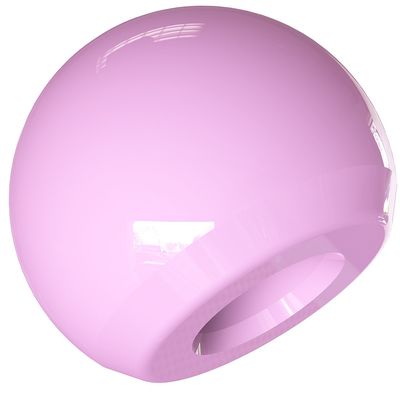
Material and manufacturing choices are equally important. Titanium alloy substrates, CoCrMo bearing surfaces, highly crosslinked polyethylene, ceramic heads, and hydroxyapatite or porous coatings each have specific processing requirements. Surface preparation, passivation, cleaning validation, and sterile-barrier packaging must be controlled because revision implants are often used in prolonged or complex procedures. Instrument sets must withstand repeated cleaning and sterilization while maintaining alignment, torque transmission, and tactile feedback.
Looking forward, the revision system roadmap will be shaped by patient-specific instrumentation, 3D-printed porous structures, sensor-assisted trial components, digital templating, and AI-supported inventory forecasting. For Novosibirsk, the practical near-term opportunity is not a fully autonomous surgical ecosystem. It is a digitally traceable, modular, and service-ready supply model that helps distributors maintain the right mix of implants, augments, and instruments while giving hospitals confidence in sterility, documentation, and revision support.
Revision hip and knee programs fail when implant supply, instrument logistics, and clinical support are treated as separate transactions. A macro solution should link three operating models: hospital standardization, distributor channel enablement, and OEM/private-label development.
Consolidated revision trays, sterile-packed implants, loaner-kit planning, and surgeon preference-card support. The goal is fewer emergency shortages, better OR readiness, and documented compatibility with local sterilization procedures.
No-MOQ trial orders, tender documentation support, product training, demo inventory, and co-marketing. Novosibirsk distributors need a supplier that can respond quickly without forcing excessive inventory risk.
Private-label instrument sets, customized tray layouts, packaging artwork, and design-for-manufacturing reviews for global orthopedic brands and regional channel owners.
Compliance is not a single certificate; it is an evidence chain. For the EAEU market, orthopedic devices may require registration pathways, Russian-language labeling, technical files, and post-market surveillance arrangements. A credible supplier should provide clear documentation packages, product classifications, test reports, and change-control notifications. It should also explain what the distributor is responsible for locally, including authorized representation and import documentation.
Claims should be precise. CE certification, ISO 13485 quality systems, and product-specific documentation must be distinguished from market registration. Novosibirsk buyers should ask for the exact certificate scope, product list, and authorized representation pathway before committing to a tender or hospital introduction.
For global orthopedic procurement, China’s mature medical-device manufacturing ecosystem offers more than cost efficiency. It offers vertical integration across raw materials, precision machining, surface finishing, cleaning, inspection, sterile packaging, and export documentation. A Factory 4.0-oriented supplier uses digital work instructions, equipment monitoring, lot-level traceability, and structured supplier qualification to reduce variability. That matters for revision systems because a single tray may contain dozens of components, each requiring dimensional control and reprocessing compatibility.
Resilience comes from deliberate redundancy. Raw-material sources can be dual-qualified; critical components can be buffer-stocked; modular tooling can shorten changeover; and quality inspection can be layered across incoming inspection, in-process checks, final dimensional verification, and packaging validation. For Novosibirsk buyers, this resilience translates into shorter recovery time when demand spikes, fewer missing-component incidents, and better support for urgent loaner-kit requests.
Efficiency also improves communication. Digital photos, inspection reports, and packaging proofs can be shared quickly with distributors. OEM projects can move from concept to prototype with fewer ambiguous handoffs. At the same time, buyers should remain rigorous: request process capability evidence, review non-conformance history, confirm sterilization and packaging responsibilities, and verify that the factory’s quality system scope matches the products being sourced.
Qualified titanium, cobalt-chrome, polyethylene, and packaging materials with incoming inspection and lot traceability.
Precision machining, tool-life monitoring, and in-process dimensional checks for implant and instrument components.
Polishing, passivation, marking, and cleaning controls that support corrosion resistance and reprocessing durability.
Final inspection, sterile-barrier planning, label control, and export-ready packing for long-distance logistics.
Large distributors, hospital groups, and OEM brands evaluate revision system suppliers against a structured scorecard. They look for documented design control, consistent manufacturing, and a clear escalation path for complaints. They ask whether the supplier can support tender documentation, whether MOQ can be lowered for market testing, and whether loaner instruments can be shipped rapidly without compromising traceability.
Revision surgery depends on technique, instrumentation familiarity, and intraoperative problem-solving. Product delivery alone does not build a sustainable Novosibirsk channel. Shanghai Sete Technology Co., Ltd. supports distributors with training, demonstration, and workshop coordination, including sending surgeons to demonstrate procedures and support local surgery where appropriate.
Prompt response to enquiries in 2 HOURS. A fast initial response helps distributors assess fit before a tender deadline or hospital meeting.
Competitive prices and no MOQ requirement to help customers test the quality and market. This is especially relevant for new regional channels testing revision demand.
High quality with ISO, CE certified documentation pathways and product-specific evidence as applicable.
Proficient delivery and export handling with attention to packaging, labeling, and logistics documentation.
Surgical technique training and workshop in China and sending surgeons to demonstrate and support surgery for distributors.
Sponsorship in advertisement and expo to support local market development and brand visibility.
Good payment terms for reliable exclusive distributors, subject to commercial review.
Continuous development: we follow new techniques and new designs and keep developing our products to meet evolving clinical needs.
Beyond the featured instruments, the following systems support hip revision, knee revision, cemented and cementless fixation, sterilization packaging, and factory-price instrument programs. These products are grouped to keep the portfolio easy to scan while preserving the original product links for direct inquiry.
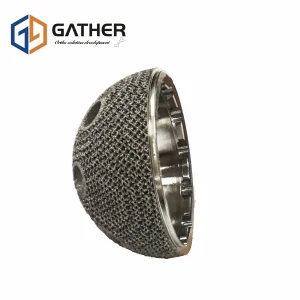
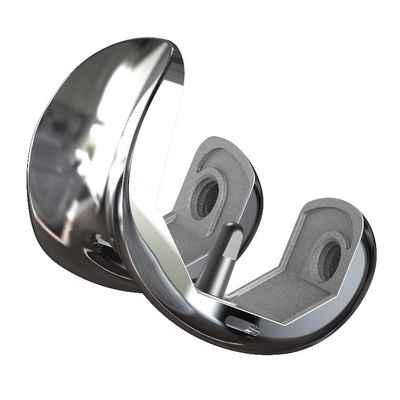
CE-oriented hip and knee prosthesis configuration for replacement procedures and hospital evaluation.
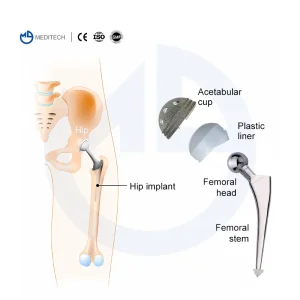
Cemented stem hip replacement implants for surgical teams requiring familiar fixation and broad sizing.
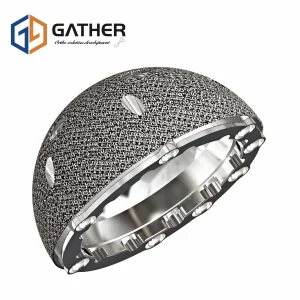
Sterilized-package knee joint replacement prosthesis with attention to packaging integrity and shelf-life control.
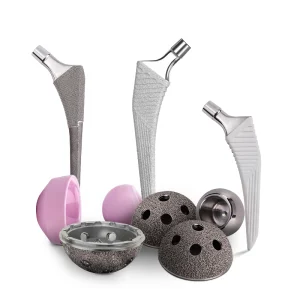
Titanium hip and knee joint replacement implants for distributors seeking factory-direct orthopedic sourcing.
Consistent revision systems depend on process discipline. The images below reflect key manufacturing and quality-control stages: raw-material control, CNC processing, polishing, ultrasonic cleaning, inspection, and packing.

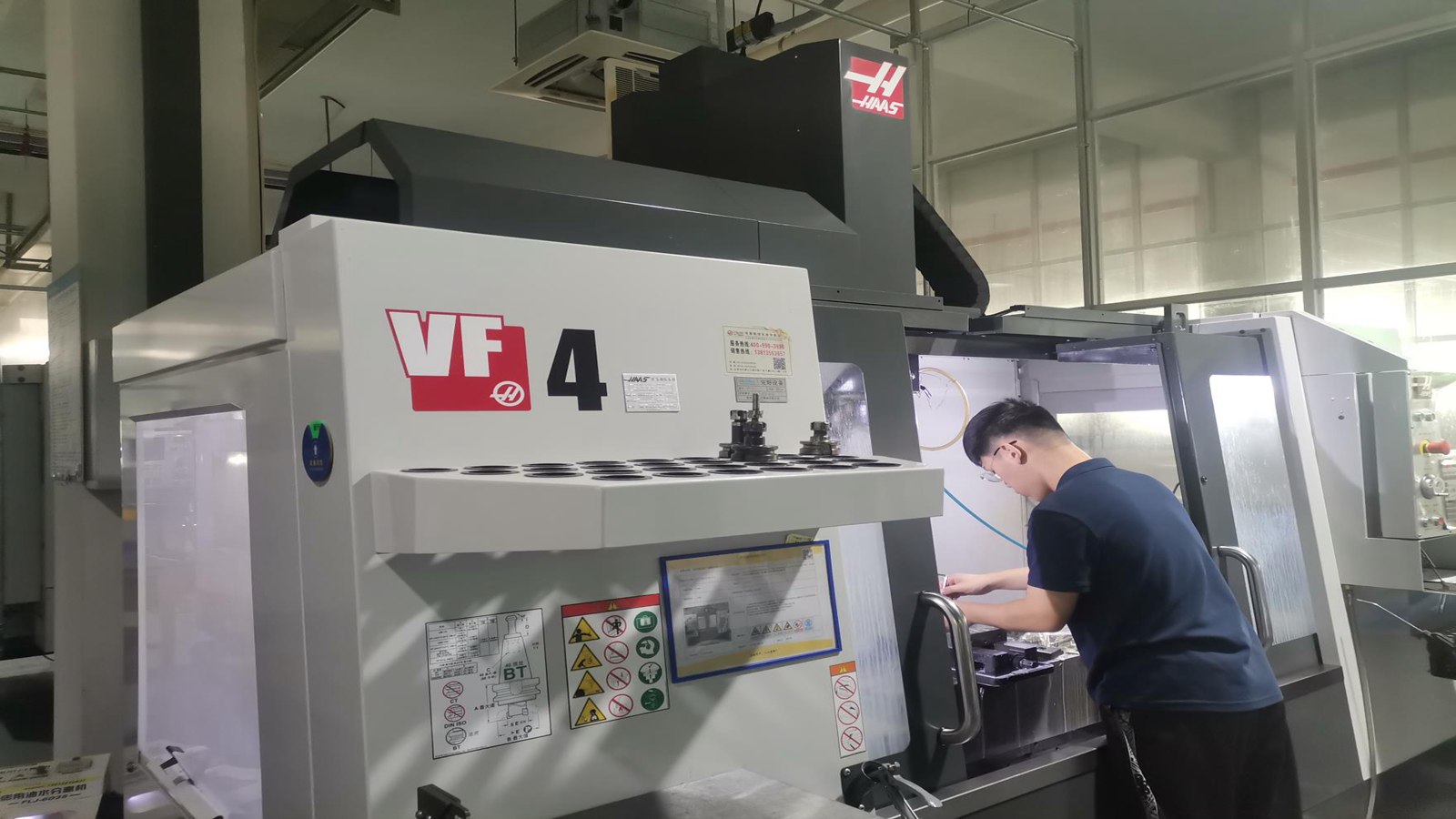
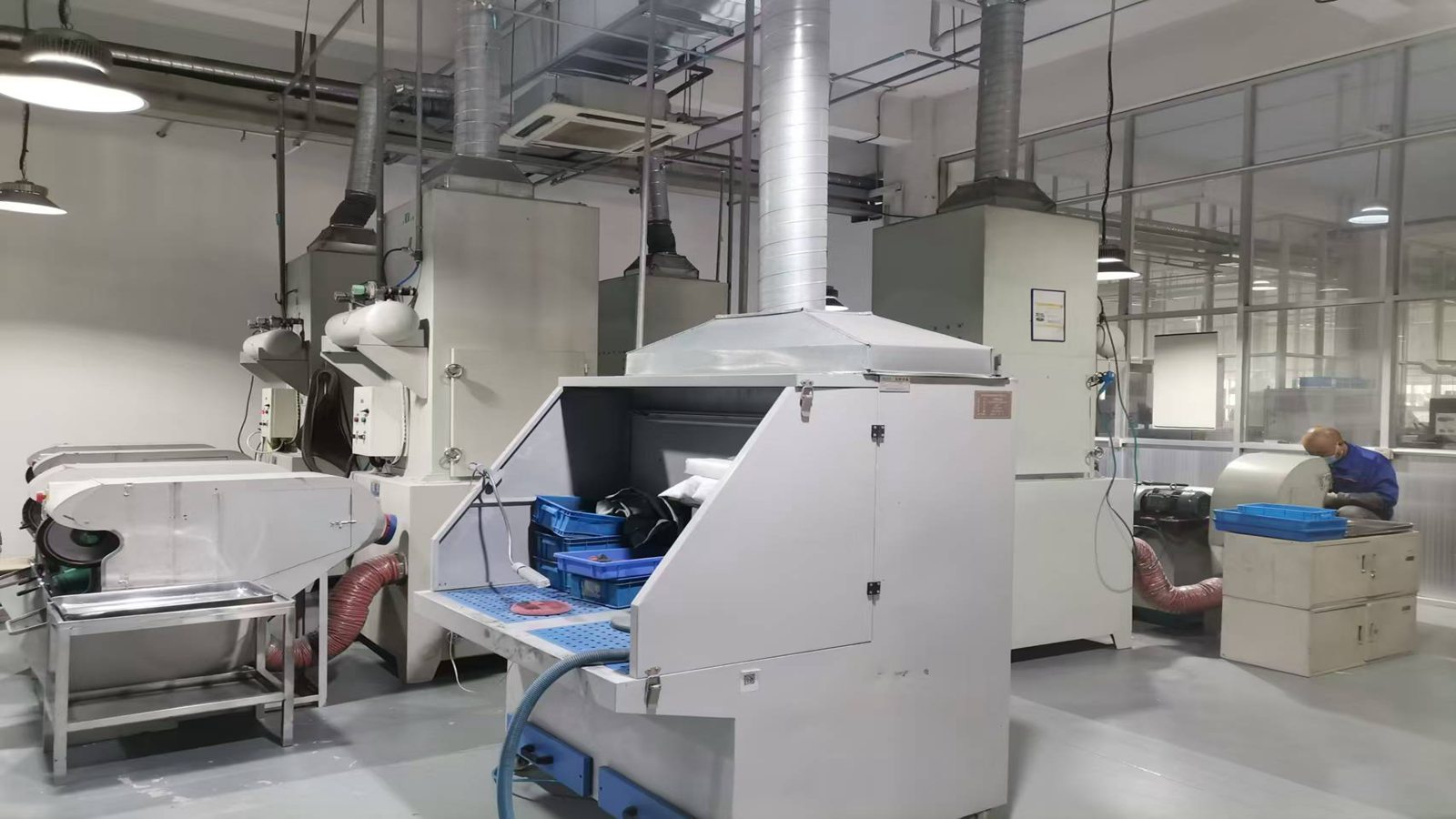
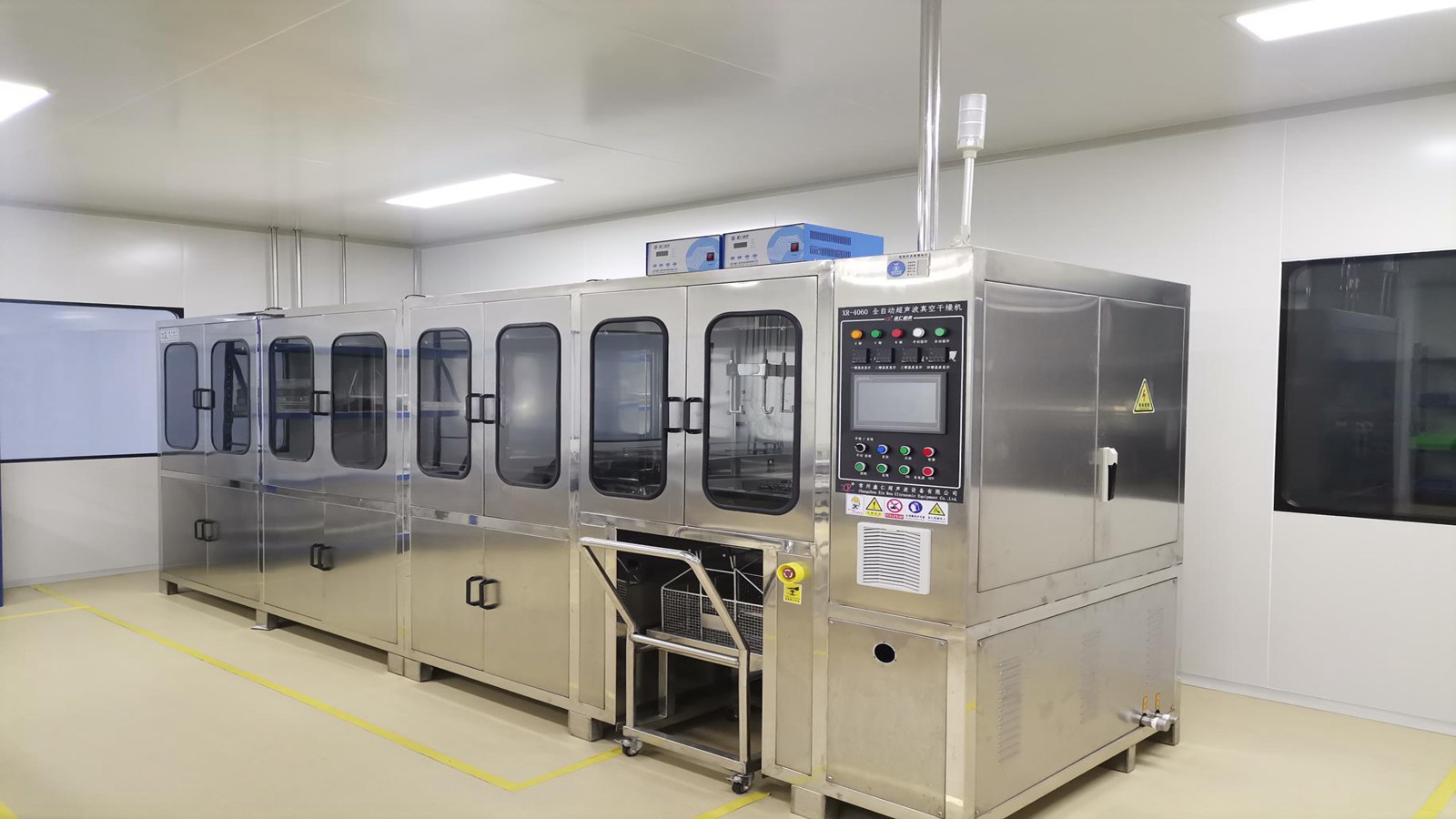
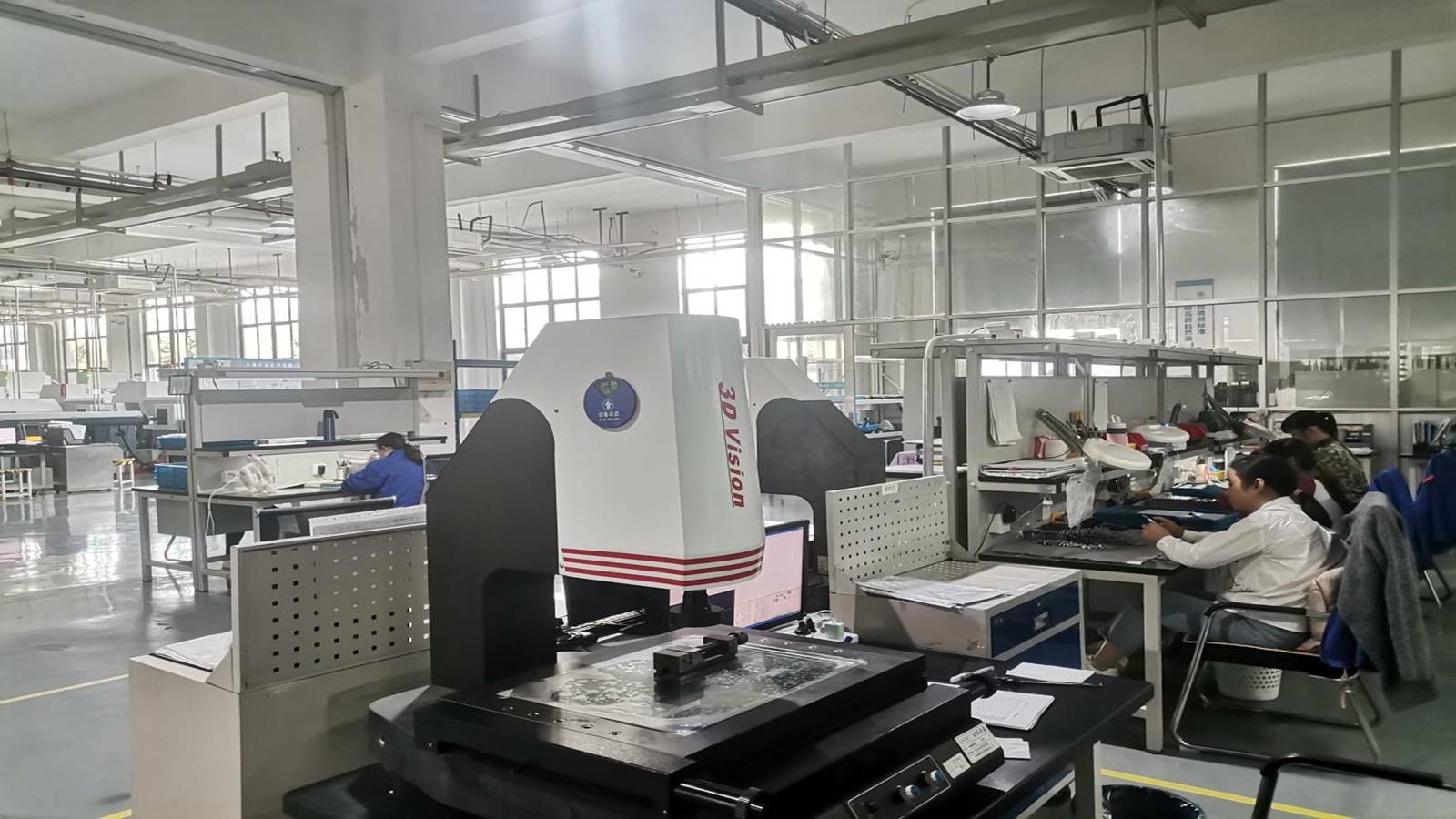
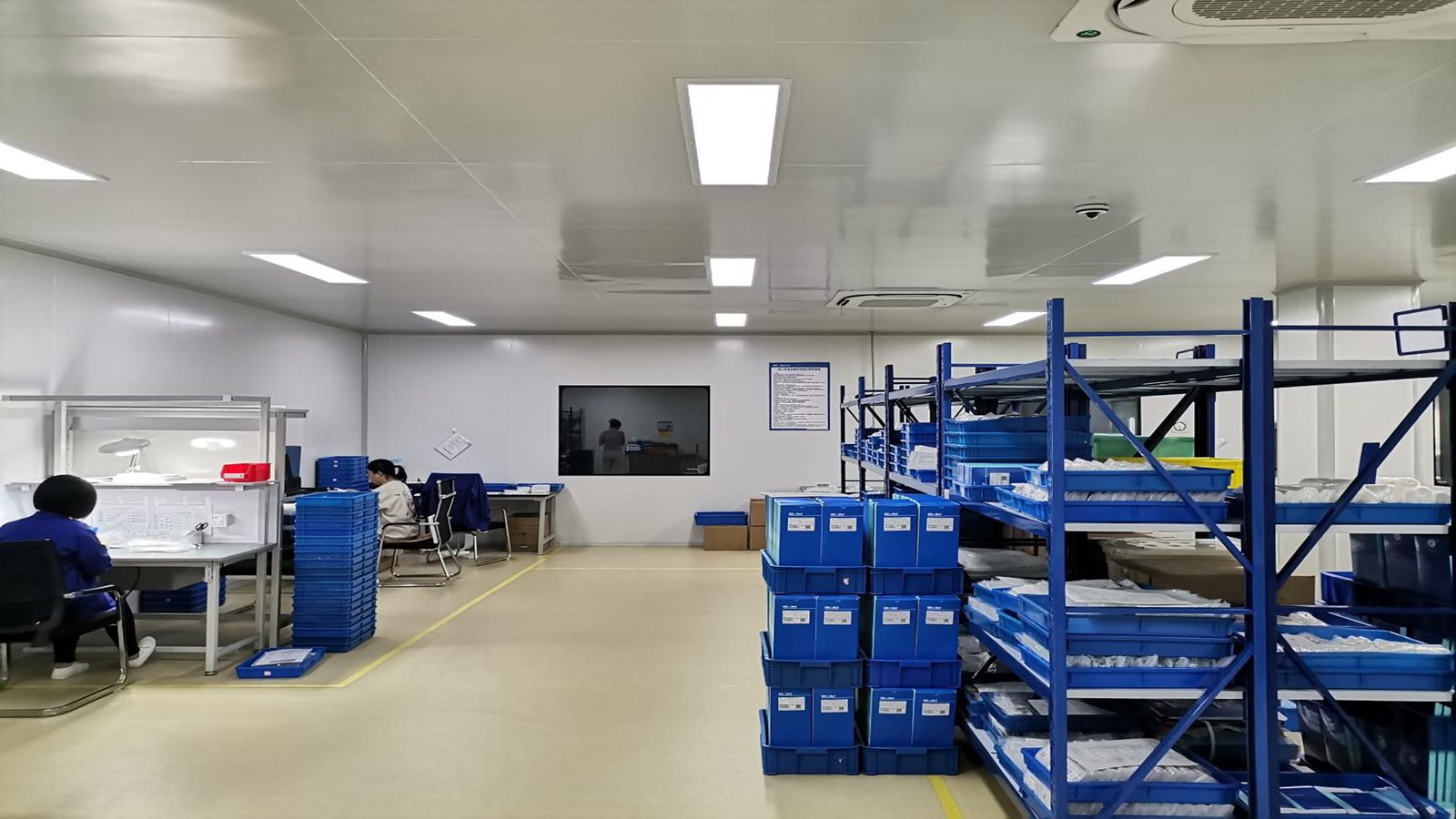
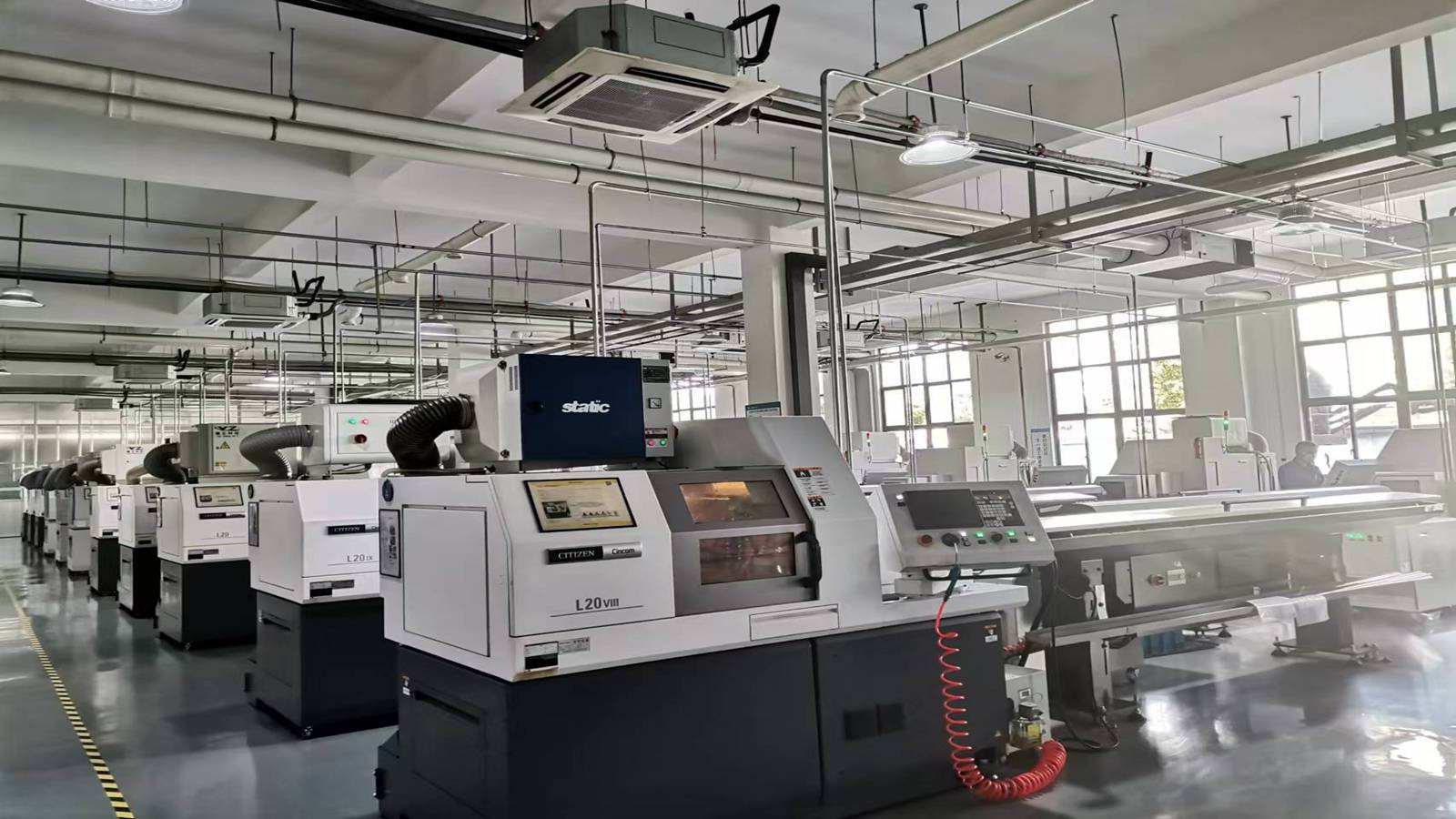

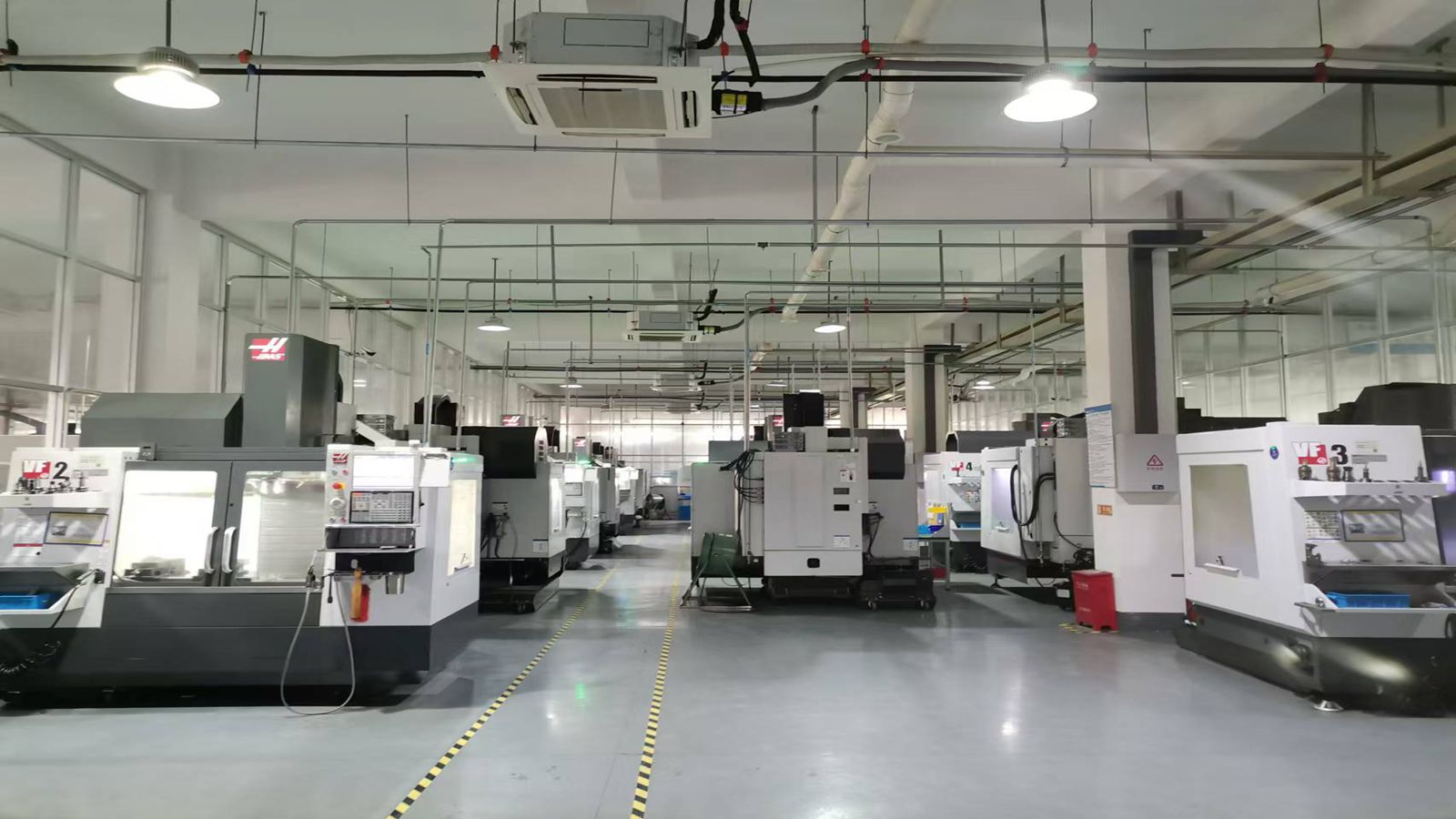
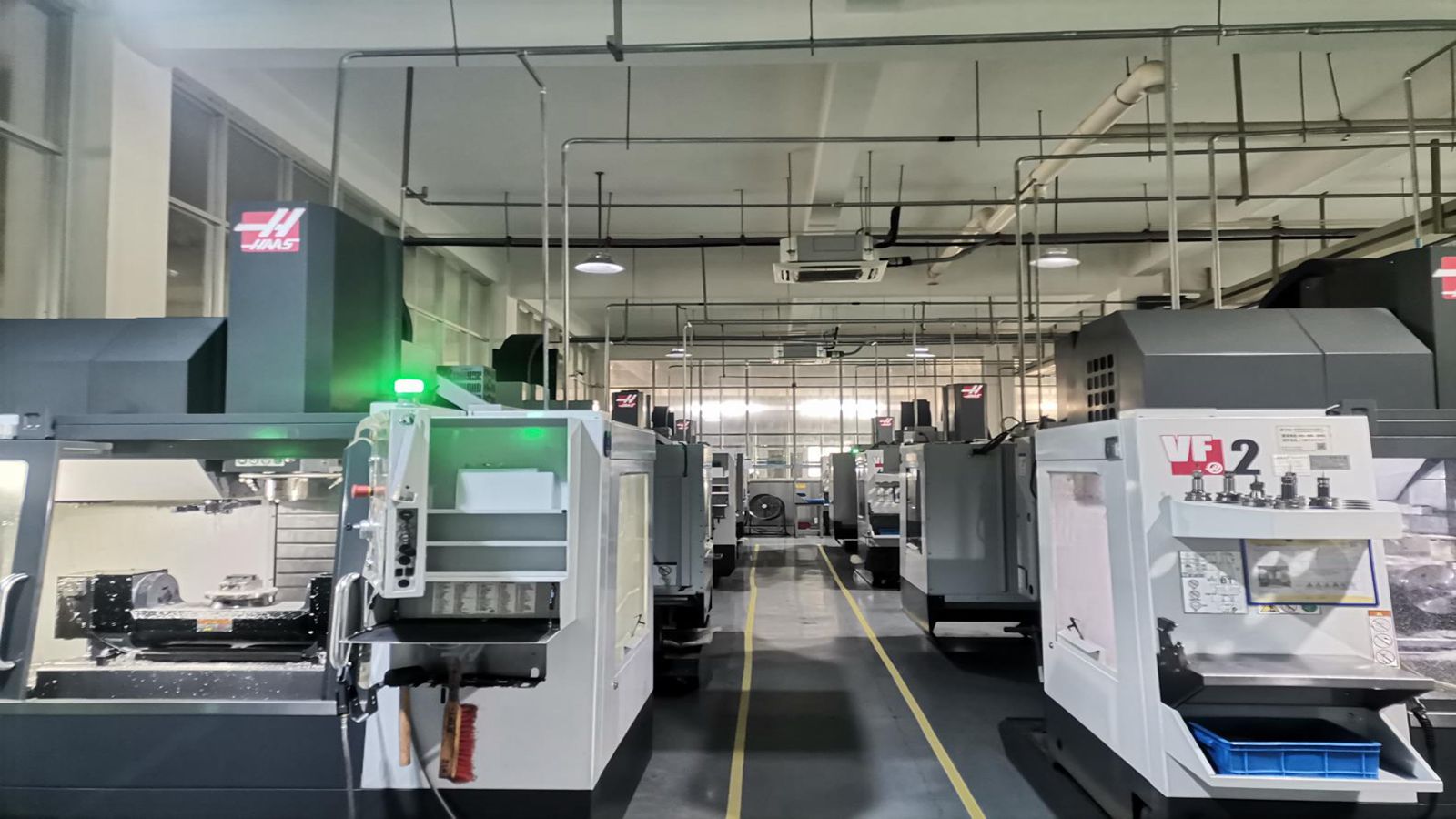
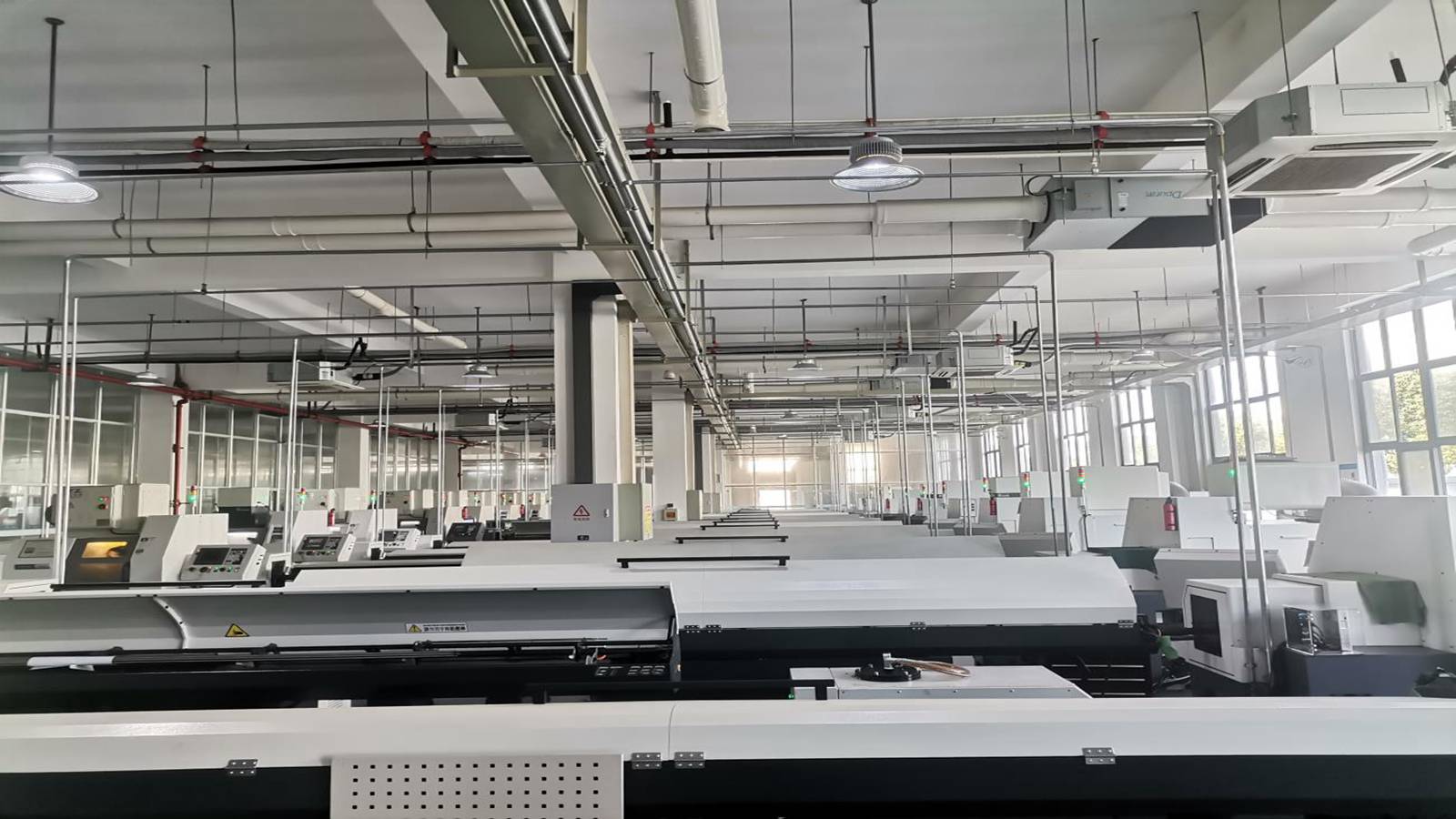
Based on a complete supply chain system, we provide customers with a full range of orthopedic product series and solutions.
Over 30 Years Experience of supplying the orthopedic product.
We have enough resources to meet your needs for OEM and ODM.
For Novosibirsk distributors and hospitals, this experience translates into practical support: product selection, instrument-set planning, documentation coordination, and a communication process designed for international procurement teams.
Orthopedic implants, instrument sets, disposable surgical products, packaging coordination, and export handling can be planned through a single supply-chain relationship. That reduces handoff risk between component suppliers, assembly, and final shipment.
Start with a product-specific documentation request: certificate scope, technical file summary, instrument tray list, packaging information, and change-control process. Then evaluate sample instrumentation for tray organization, cleaning accessibility, and ergonomics. Confirm commercial terms, including MOQ flexibility, lead-time planning, and support for registration activities in the EAEU context.
No. CE certification and ISO 13485 quality-system certification are supplier capability signals, but they do not replace local market registration or EAEU regulatory requirements. Buyers should verify the exact product scope covered by the certificate and plan the registration pathway with an authorized local representative.
Revision programs often require modular femoral stems, acetabular augments, porous-coated shells, constrained knee inserts, revision knee stems, metaphyseal sleeves or cones, bone-defect management options, and extraction instruments. The right mix depends on the hospital’s case profile, surgeon preference, and sterilization capacity.
Many orthopedic factories can support sample or trial orders, but the exact terms depend on product type, packaging requirements, and customization. A supplier that balances no-MOQ trial support with clear scale-up terms is often the best fit for a distributor testing Novosibirsk demand.
Review packaging validation, seal integrity, shelf-life rationale, and transport simulation records where available. For Siberian logistics, also confirm outer-carton durability, desiccant strategy, and a damage-reporting process. Implant sterility inside the package should be protected by the sterile barrier system, while external packaging must survive long-distance handling.
It means digital process control, traceability, and manufacturing flexibility rather than a marketing label. Practical indicators include lot-level records, equipment monitoring, in-process inspection, supplier qualification, and the ability to respond to engineering changes without disrupting quality.
Training can be structured around distributor workshops, surgical technique demonstrations, and China-based workshops. The scope should be defined in the commercial agreement, including who provides specimens or dry-lab materials, travel arrangements, and post-training follow-up.
Share your target product list, estimated annual volume, regulatory destination, sterilization or packaging requirements, and required documentation. The supplier can then respond with product recommendations, lead-time assumptions, MOQ options, and a technical review plan.
The final eight products below complete the original portfolio and preserve the original product URLs for direct review. They include revision hip systems, disposable pulsed lavage, cable instrument sets, proximal femoral nail instruments, and factory-price PFNA instrument set options.
Alternative titanium hip and knee joint replacement sourcing pathway for distributor portfolios.
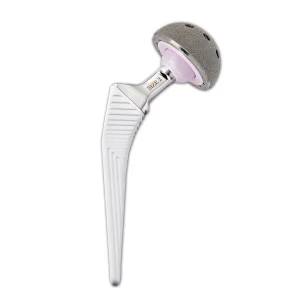
Cementless titanium alloy hip joint option for revision arthroplasty evaluation and surgical planning.
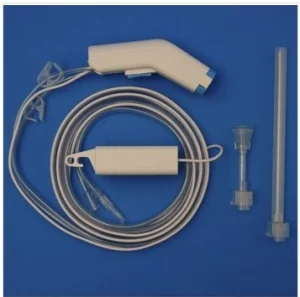
Disposable pulsed lavage support for orthopedic irrigation and debridement workflows.
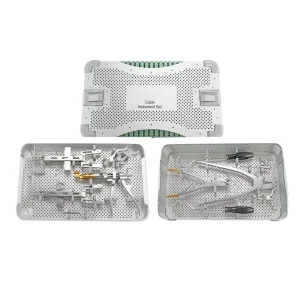
Cable instrument set for orthopedic surgical equipment programs and tray standardization.
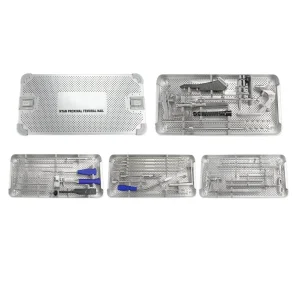
Proximal femoral nail instrument set for trauma and reconstruction procedures.
Additional listing for the proximal femoral nail instrument set, retained for direct product reference.
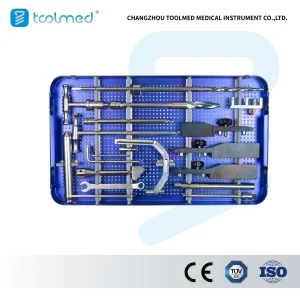
PFNA nail instrument set with factory-price positioning for tenders and distributor trials.
Second PFNA nail set listing preserved with its original URL for procurement comparison.
Request product documentation, instrument tray details, trial-order options, and training support for your hospital or distributor channel.