Sete Orthopedic Implants Sete Orthopedic Implants
ISO 13485 & CE Certified Manufacturing

Custom OEM Elbow Arthroplasty Manufacturers & Supplier

Global contract manufacturing excellence in joint reconstruction, micro-motion biomechanics, and precision orthopedic implants backed by 30+ years of clinical innovation.

30+
Years Industry Experience
50+
Global Export Markets
100%
ISO 13485 Compliance
< 2h
Rapid Technical Support
Executive Industry Insights

Global OEM Procurement Demand for Advanced Elbow Arthroplasty Systems

Analyzing kinetic complexities, material longevity, and contract manufacturing strategies for total elbow replacement (TER) and complex trauma fixation.

Clinical Drivers & Biomechanical Challenges

Elbow joint replacement presents unique mechanical engineering challenges compared to hip or knee arthroplasty due to the elbow’s complex dynamic kinematics, highly constrained joint volume, and thin soft-tissue envelope. Total Elbow Arthroplasty (TEA) is primarily indicated for end-stage inflammatory arthritis, severe distal humerus comminuted fractures, and failed primary trauma repairs.

Global healthcare providers are demanding components that effectively balance linked (hinged) stability with unlinked physiological ROM. OEM procurement teams seek contract partners capable of sub-micron precision machining to eliminate stress concentrations, minimize UHMWPE particle wear debris, and prevent aseptic loosening at the cement-bone interface.

Global Sourcing & Supply Chain Shifts

Multinational orthopedic brands and hospital networks are optimizing supply chain resiliency by partnering with established OEM contract manufacturers. Key considerations include end-to-end traceabilty, compliance with strict regulatory regimes (such as EU MDR 2017/745 and US FDA 510(k)), and rapid prototyping capabilities.

By standardizing custom OEM elbow prostheses—including humeral stems, ulnar components, radial head implants, and modular flanged bushings—medical device distributors can secure high profit margins while providing surgeons with modular flexibility during intraoperative reconstructive decisions.

Precision Engineering

Materials Science & Kinematic Design Architecture

Advanced metallurgy, surface functionalization, and tribological pairing engineered for long-term implant survival.

Biocompatible Alloys

Implants are forged and machined using medical-grade Titanium Alloy (Ti-6Al-4V ELI conforming to ASTM F136) and Cobalt-Chromium-Molybdenum (Co-Cr-Mo conforming to ASTM F75). Ti-Alloy offers an elastic modulus closer to human cortical bone, suppressing stress-shielding, while CoCrMo provides exceptionally high hardness for articulating joint surfaces.

Tribology & Polyethylene

To resist long-term mechanical wear and oxidative degradation, our OEM elbow systems utilize Highly Cross-Linked Ultra-High Molecular Weight Polyethylene (HXLPE) enriched with Vitamin E. This significantly reduces volumetric wear rates and periprosthetic osteolysis risks over extended clinical lifespans.

Porous Plasma Spray Coatings

To encourage secondary biological fixation and rapid bone ingrowth, titanium plasma spray (TPS) or Hydroxyapatite (HA) coatings are applied to non-articulating stem surfaces. This micro-porous structure facilitates mechanical interlock with host bone without compromising structural fatigue strength.

Manufacturing Rigor

Shanghai Sete Technology Co., Ltd.

Based on a complete supply chain system, we provide customers with a full range of orthopedic product series and solutions. Over 30 Years Experience of supplying orthopedic products, offering robust resources to meet your needs for OEM and ODM.
Comprehensive OEM/ODM Service Commitments

► 1. Rapid Response: Prompt response to technical and commercial inquiries within 2 HOURS.
► 2. Flexible Terms: Competitive prices and no MOQ requirement to help customers test quality and market readiness.
► 3. International Certification: High quality standards verified with rigorous ISO 13485 and CE certifications.
► 4. Logistics & Export: Proficient worldwide delivery, custom clearance handling, and export compliance management.
► 5. Surgical Training: Surgical technique workshops in China and sending qualified surgeons to demonstrate and support clinical cases for regional distributors.
► 6. Marketing Sponsorship: Co-sponsorship in global medical advertisements, orthopedic expos, and academic conferences.
► 7. Financial Support: Advantageous payment terms for reliable, long-term exclusive distribution partners.
► 8. Continuous R&D: Relentless dedication to incorporating modern technical advancements, ergonomic designs, and progressive product refinements.
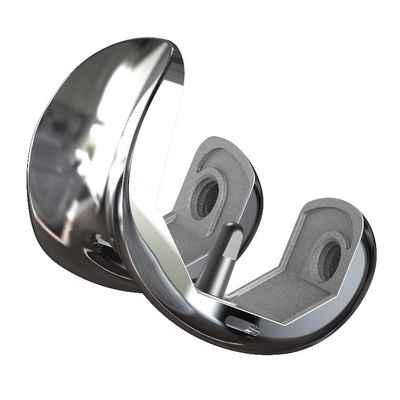
Artificial Knee Joint SKII CR Femoral Condyle

Artificial Knee Joint SKII CR Femoral Condyle

Precision-contoured condylar design supporting natural anatomic flexural kinematics and optimal load distribution across joint structures.
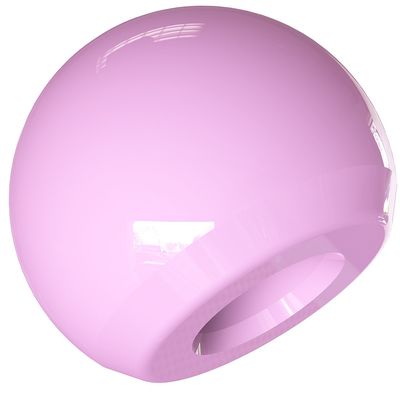
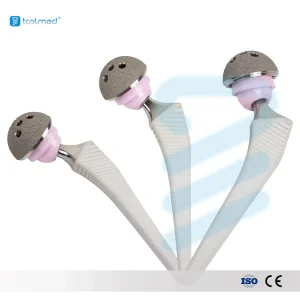
Orthopedic Implant Ceramic Femoral Head THA

Orthopedic Implant Ceramic Femoral Head THA

High-density BIOLOX-grade ceramic articulation offering near-zero friction, extreme scratch resistance, and maximum lifespan in joint replacement.

End-to-End Quality-Controlled Process Pipeline

Every component undergoes stringent, traceable processing steps inside certified cleanroom and machining environments.
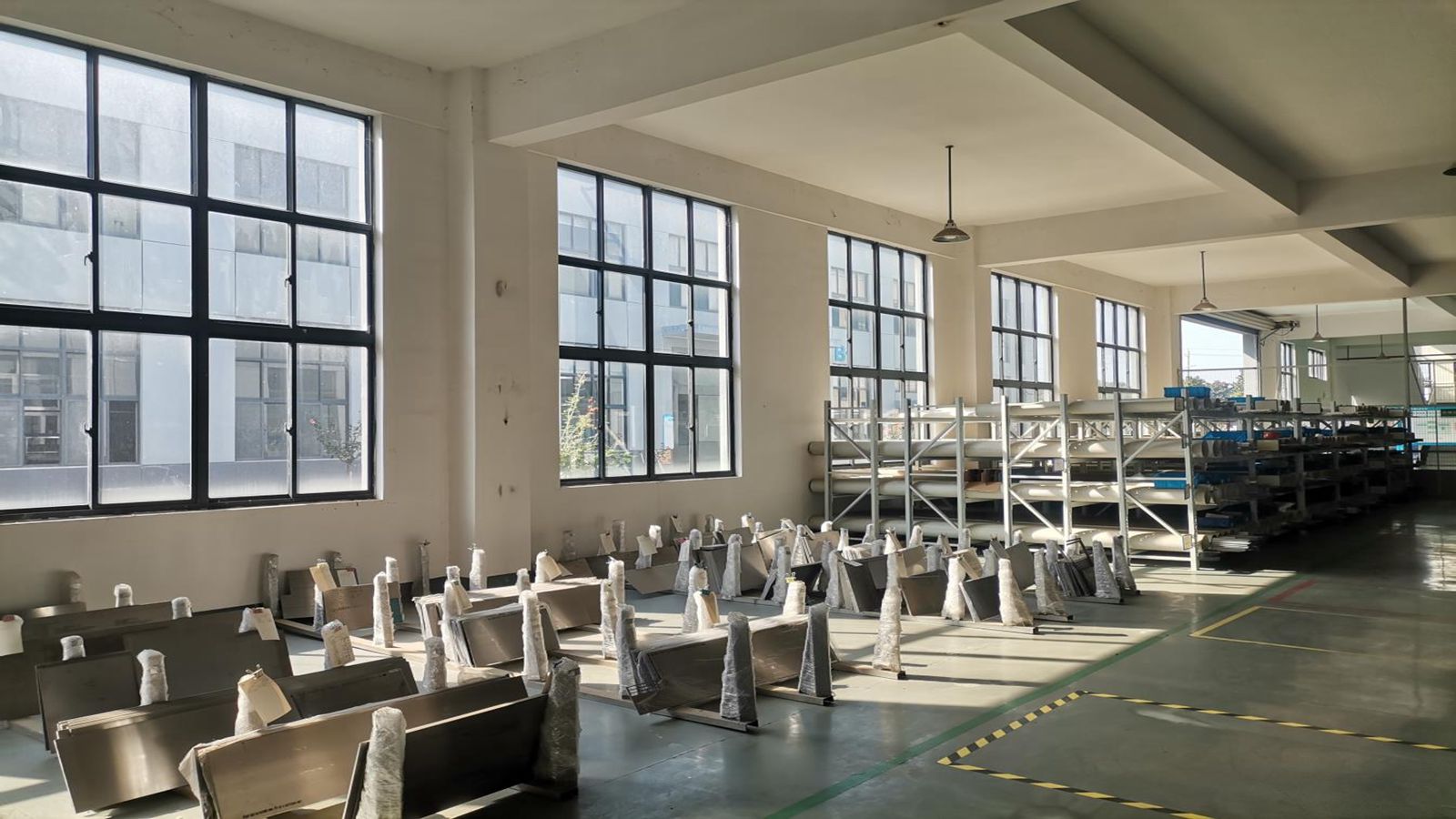
Raw Materials Inspection
1. Raw Materials

Certified Ti6Al4V & CoCrMo forged billets.
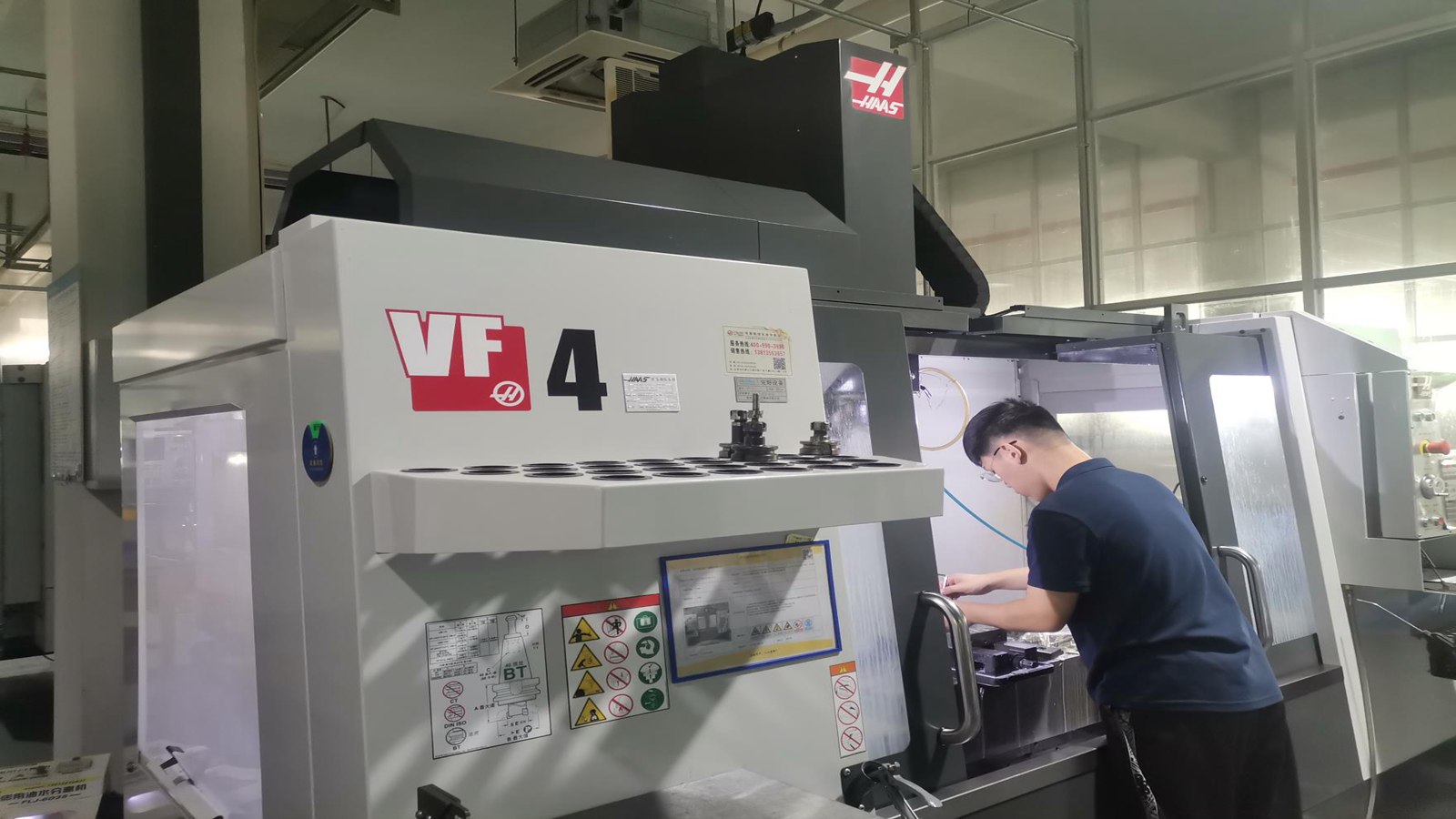
CNC Machining Processing
2. CNC Processing

Multi-axis precision milling & turning.
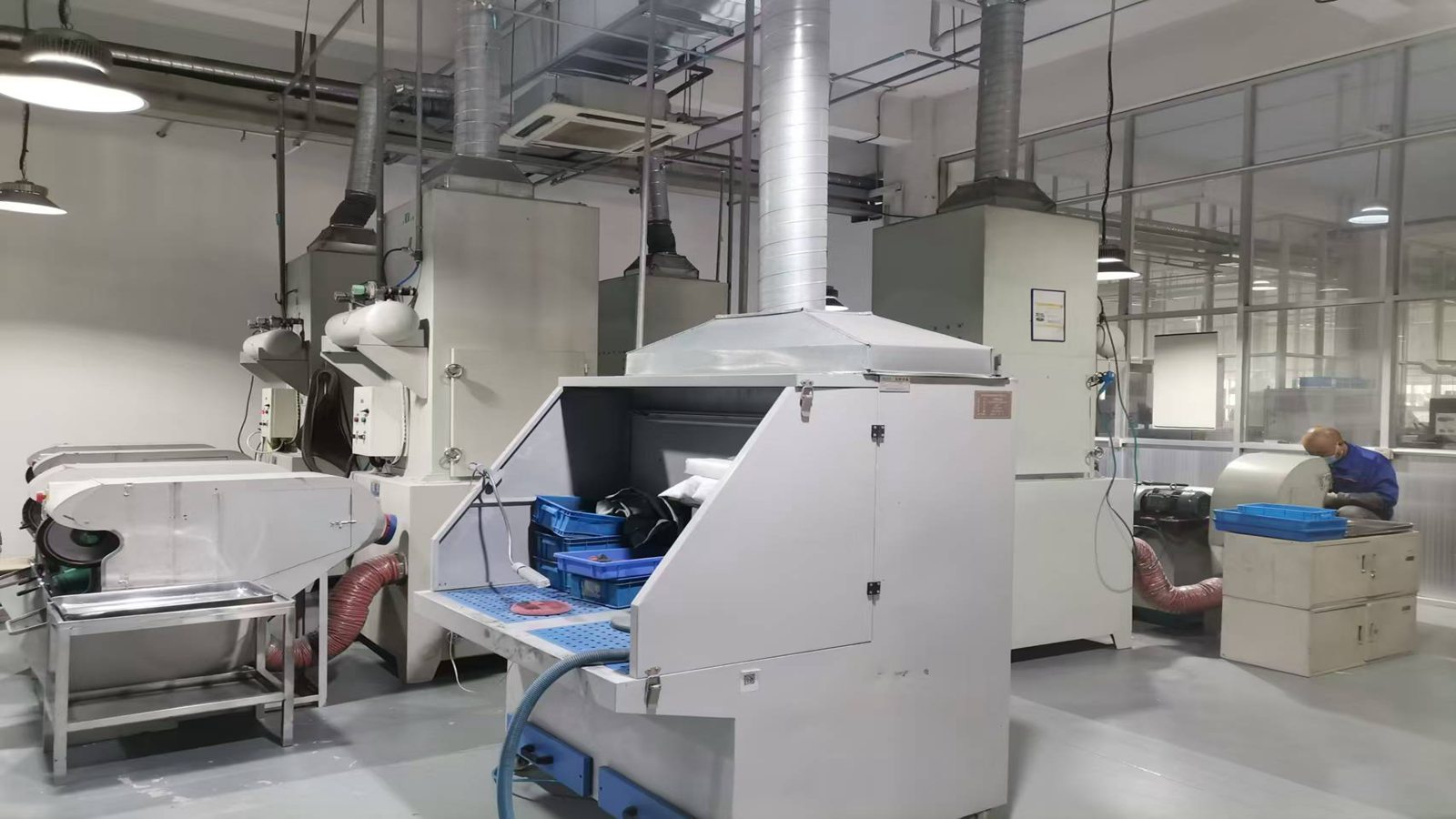
Surface Polishing Process
3. Polishing

Mirror surface finishing of bearing surfaces.
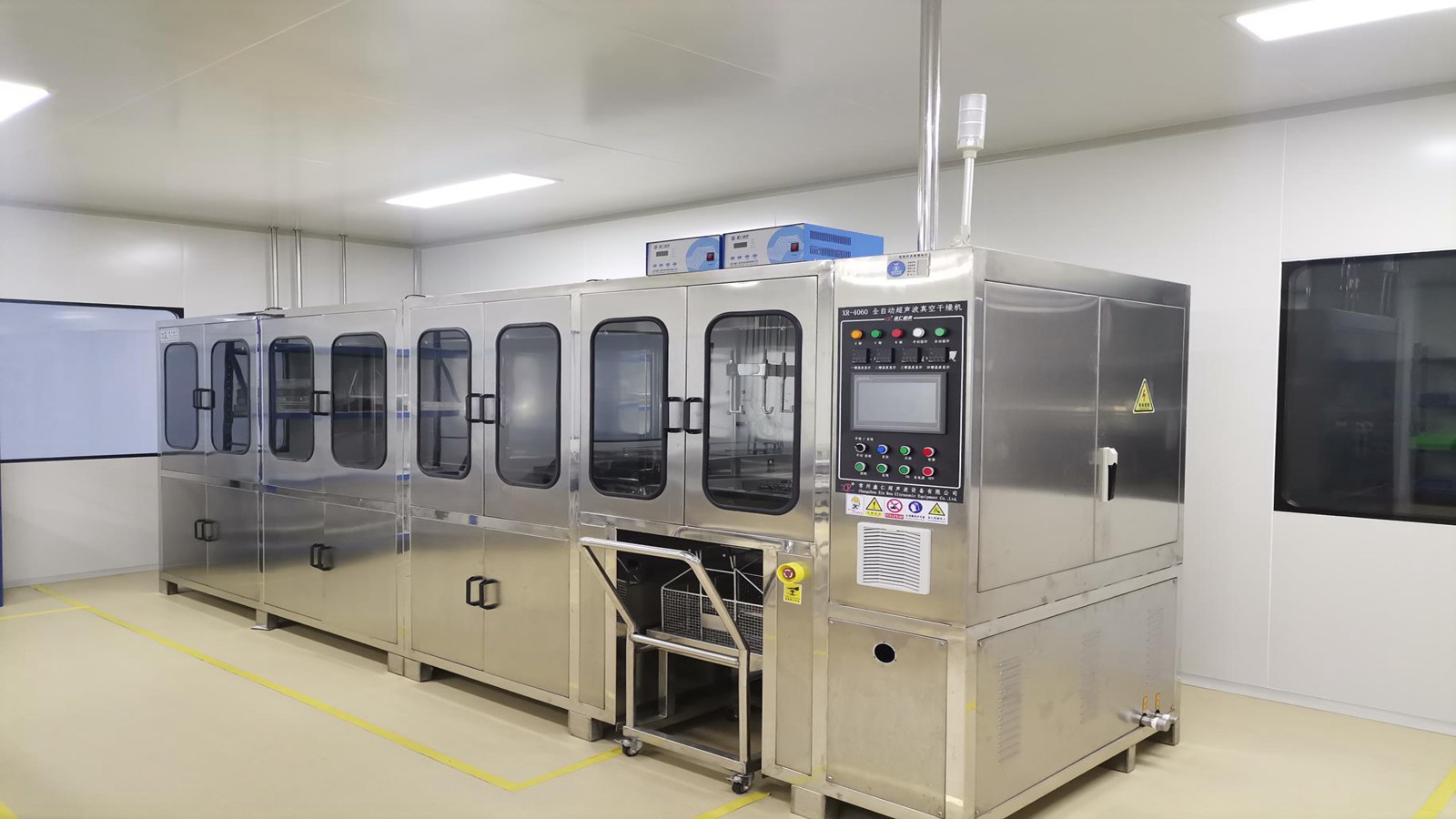
Ultrasonic Cleaning Cleanroom
4. Ultrasonic Cleaning

Multi-stage bio-burden containment wash.
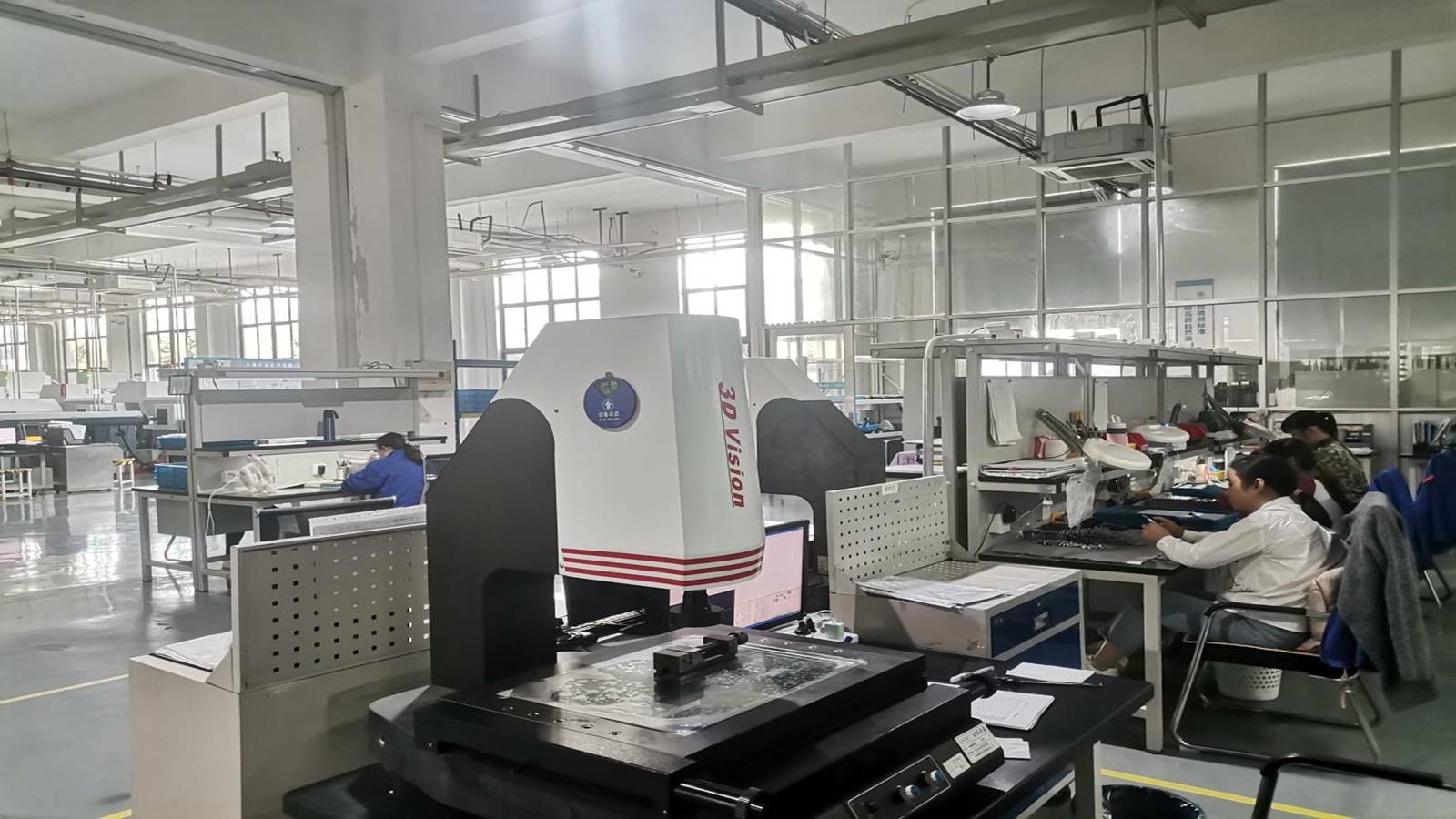
Coordinate Inspection QA
5. Inspection

CMM dimensional & surface verification.
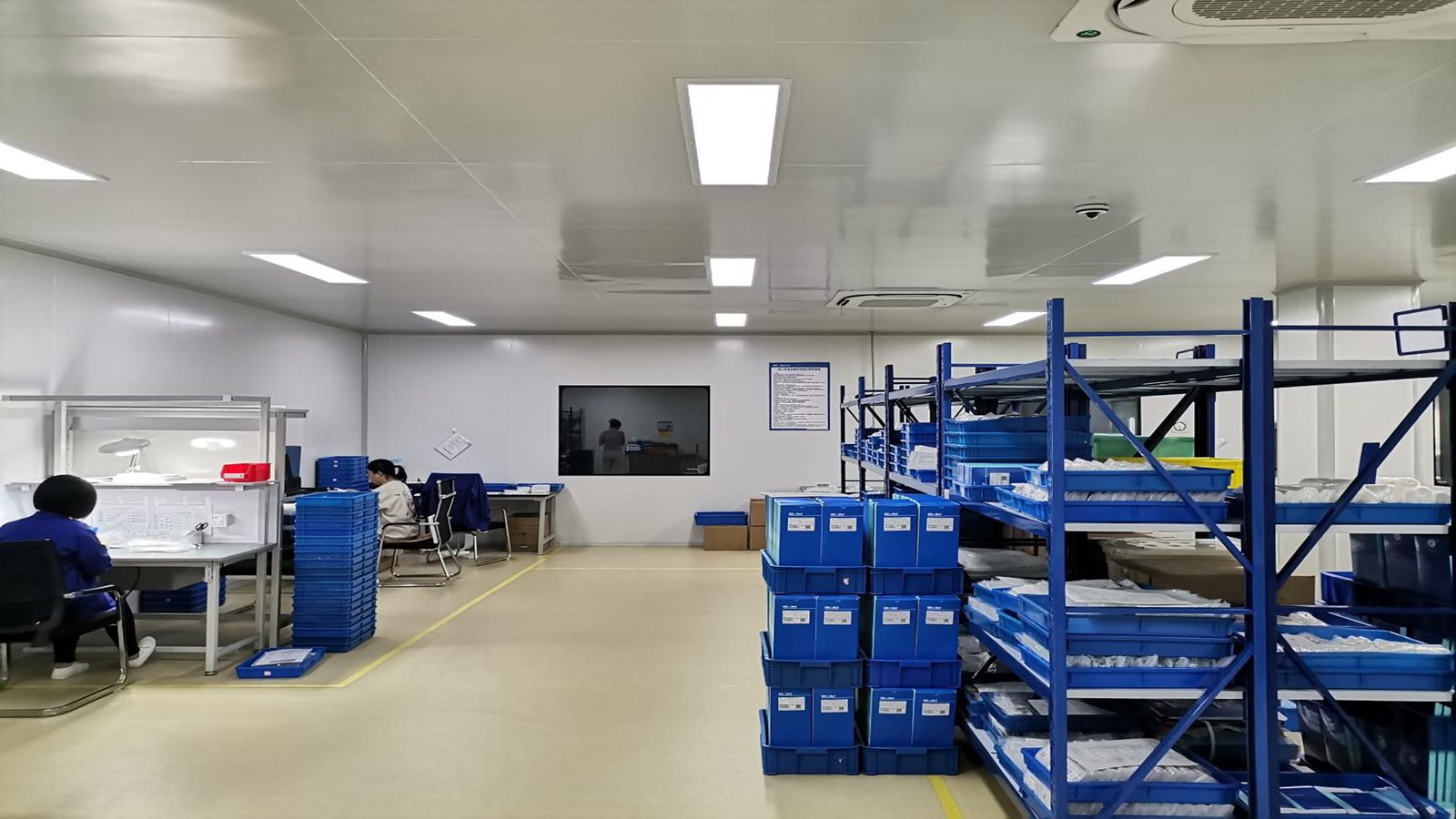
Cleanroom Packaging Process
6. Packing

Sterile double-blister barrier sealing.

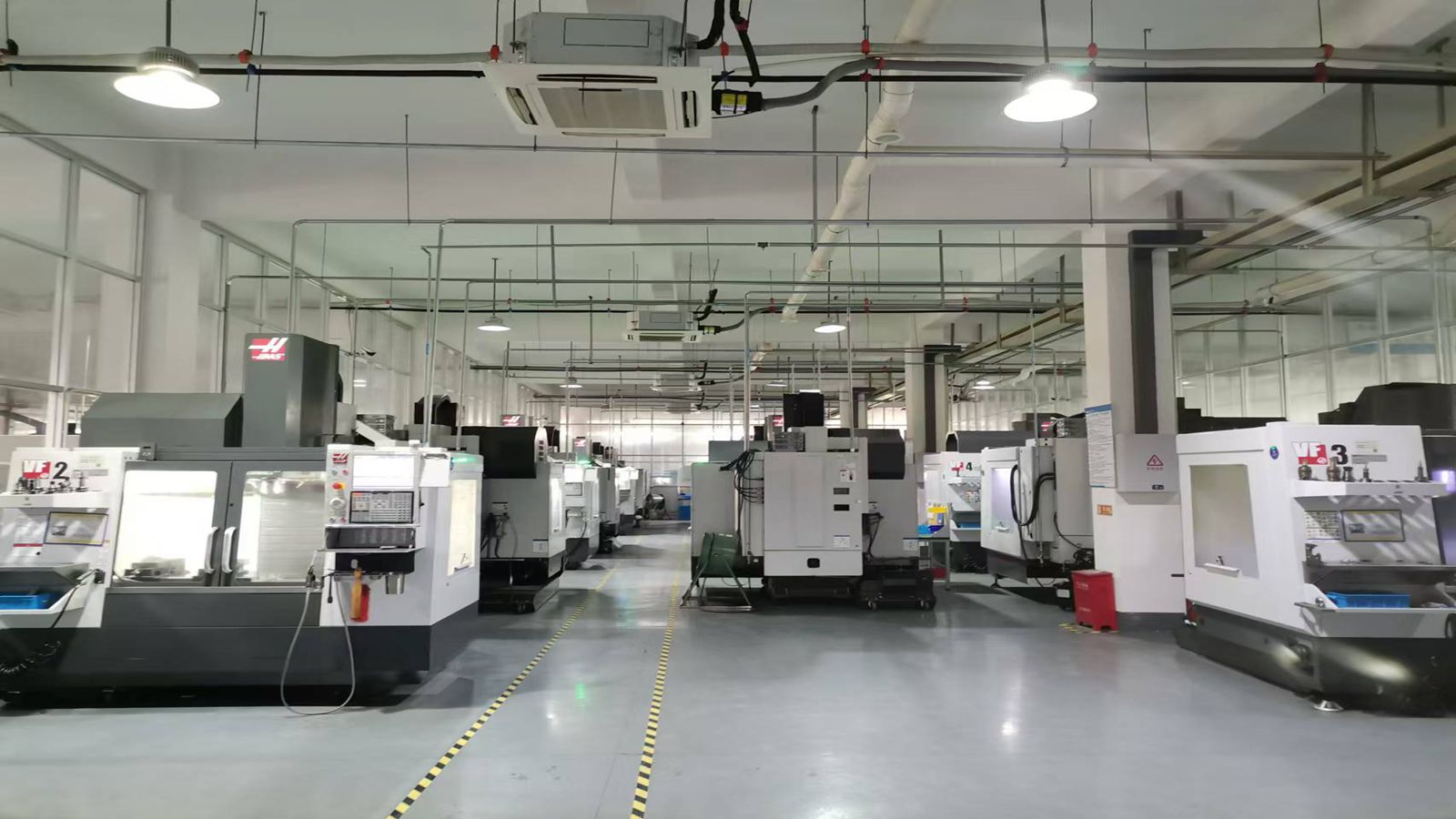
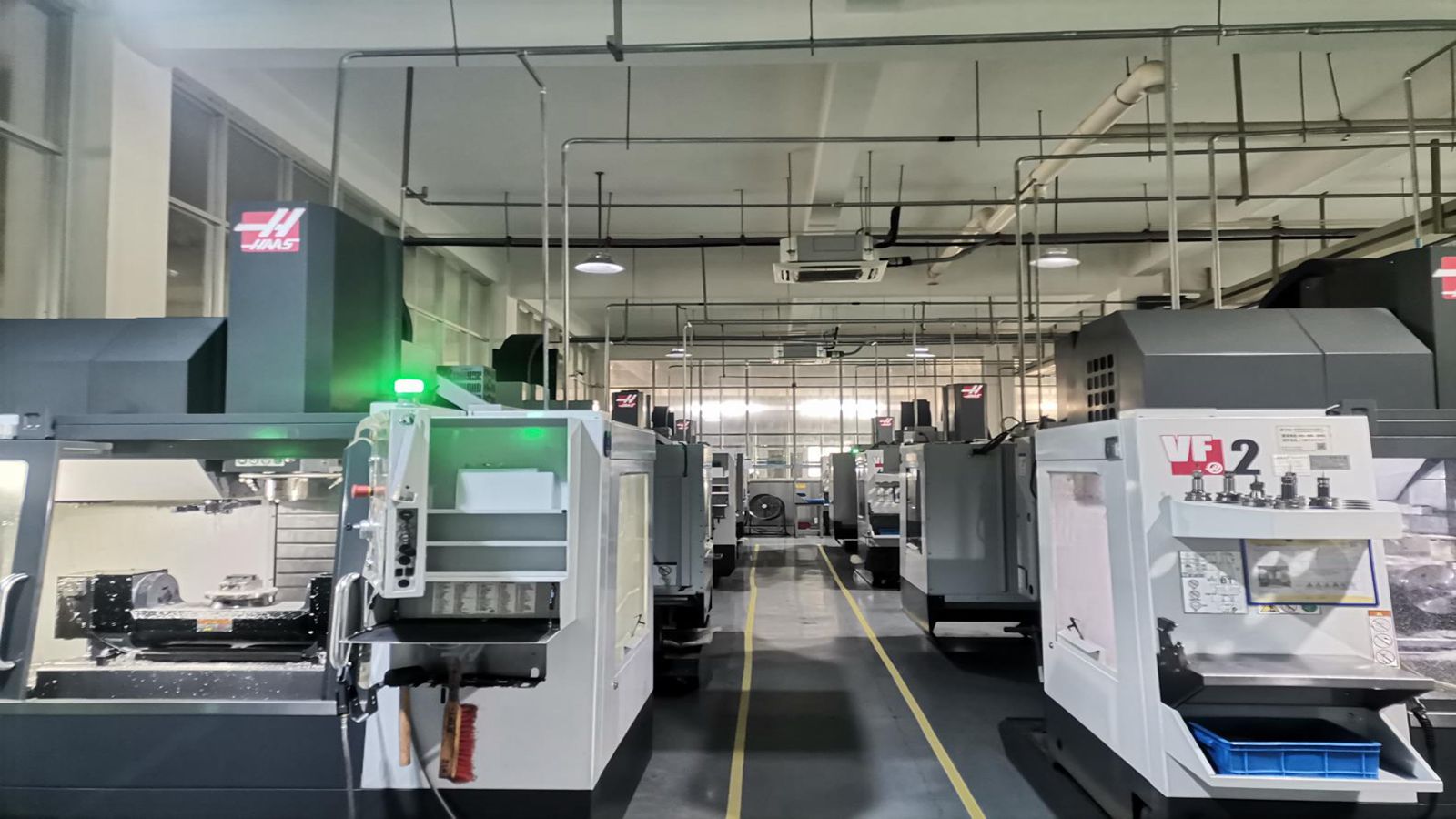
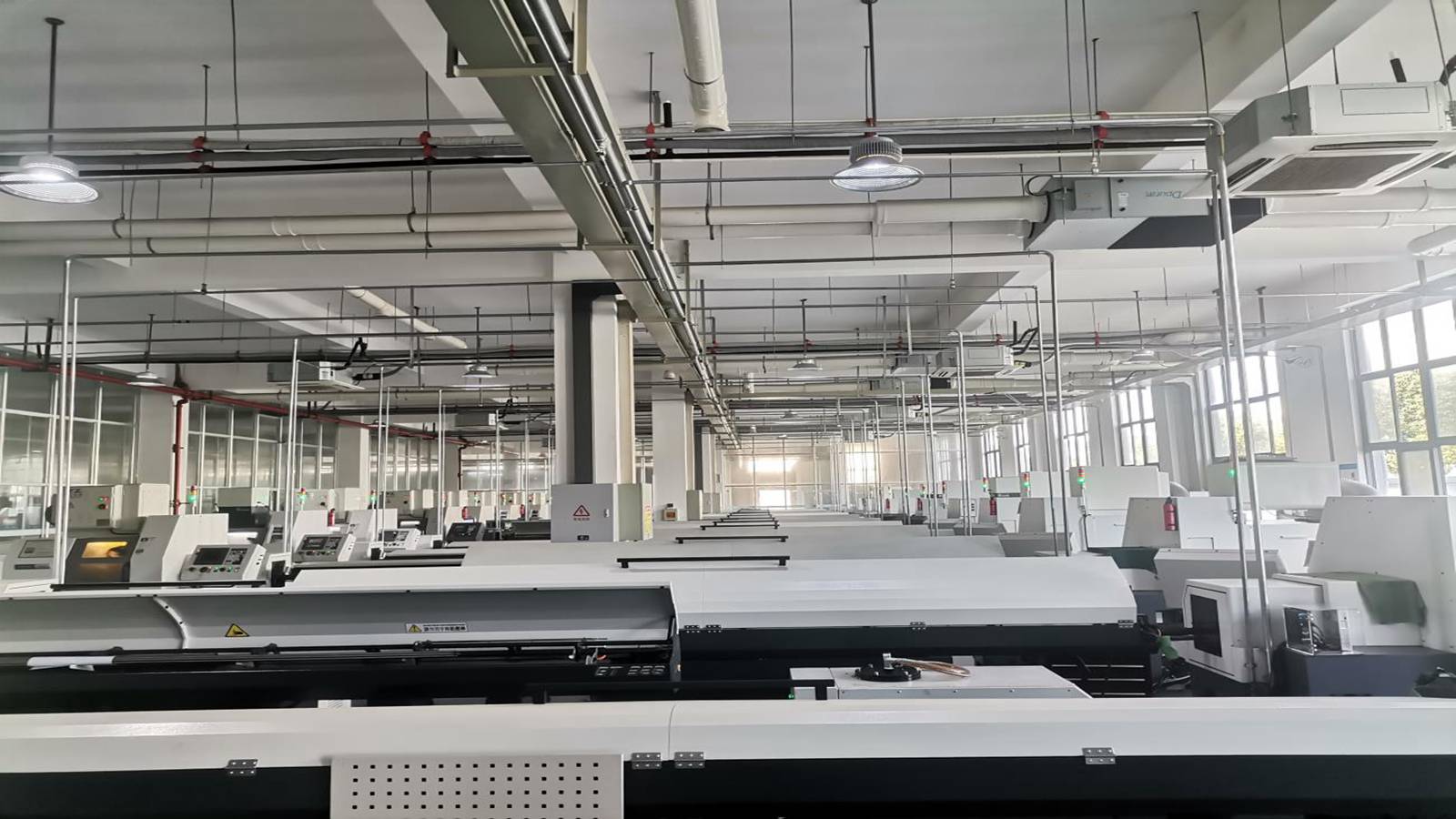
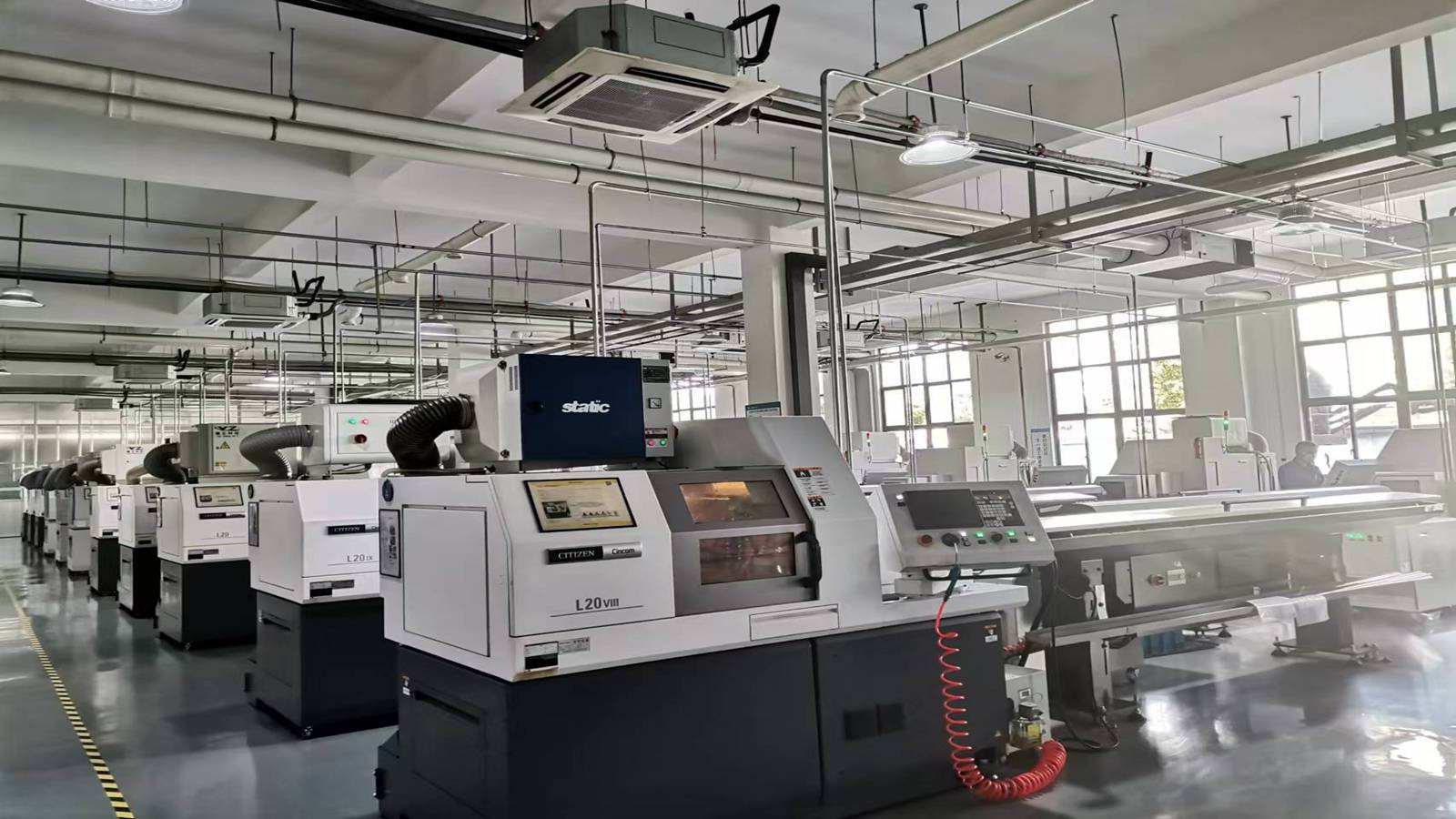
Factory Facility 1 Factory Facility 2 Factory Facility 3 Factory Facility 4 Factory Facility 5
Future Outlook

Technical Roadmap & Future Innovations in Joint Reconstruction

Translating emerging digital healthcare and advanced manufacturing breakthroughs into next-generation orthopedic solution platforms.

Patient-Specific Implants (PSI)

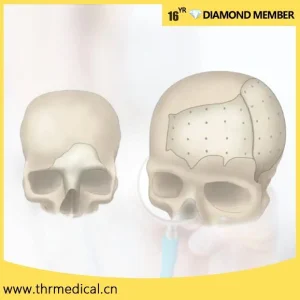
Leveraging high-resolution CT patient scans, 3D algorithmic modeling, and additive manufacturing (DMLS/SLM) to create anatomical elbow prostheses tailored to complex bone deformities, previous hardware failure, or extensive tumor resections.

Smart Sensor Integration

Researching embedded micro-telemetric sensors within the humeral stem to monitor real-time postoperative mechanical loads, joint temperature, wear velocity, and early bio-film detection, sending actionable data directly to clinical teams.

Antibacterial Surface Coatings

Incorporating nano-silver particles and continuous release antimicrobial peptide coatings into porous titanium structures to drastically eliminate surgical site infections (SSI) and periprosthetic joint infection (PJI) hazards.

Global Compliance

Rigorous Quality System & International Regulatory Approvals

Ensuring uncompromised patient safety and linear auditability from raw material melt-source to post-market clinical follow-up.

System Certification & Quality Standards

  • ISO 13485:2016 Certification: Full quality management system coverage across design, prototyping, machining, assembly, and packaging.
  • ISO Class 7/8 Cleanrooms: Environmental particle monitoring and controlled bioburden limits during primary sterile packaging.
  • Complete Traceability: Individual laser-etched serial numbers matching heat numbers, CNC mill logs, and sterilization batch records.

Regulatory Compliance Support

  • EU MDR (2017/745): Comprehensive technical documentation preparation, clinical evaluation reports (CER), and risk management (ISO 14971).
  • US FDA 510(k) Dossiers: Substantial equivalence testing data, fatigue strength testing (ASTM F2887), and mechanical validation.
  • Custom Private Labeling: Turnkey OEM branding, multi-language IFU (Instructions for Use) authoring, and custom box design.
Expert Q&A

Frequently Asked Questions for OEM/ODM Buyers

Detailed technical answers addressing design customization, alloy selection, manufacturing leads, and regulatory compliance.

What are the primary differences between linked (hinged) and unlinked elbow arthroplasty systems?
Linked systems physically connect the humeral and ulnar components via a mechanical pin or axle mechanism, providing intrinsic mechanical stability suitable for severe instability or bone loss. Unlinked systems rely entirely on patient ligamentous structures and soft tissue tension for stability, preserving more native anatomy and offering physiological load distribution. We manufacture OEM components for both semi-constrained linked designs and unlinked modular configurations.
How does Shanghai Sete Technology guarantee sub-micron precision for custom elbow implants?
Our manufacturing facility utilizes advanced 5-axis Swiss-type precision CNC lathes and high-speed CNC milling centers. Final dimensions are validated using automated Zeiss Coordinate Measuring Machines (CMM) and optical profile projectors, maintaining dimensional tolerances within ±0.005mm and surface roughness Ra ≤ 0.02 µm for bearing surfaces.
What is the typical lead time from prototype design to full-scale commercial manufacturing?
Prototyping and 3D sample evaluation are typically completed within 3 to 4 weeks upon final CAD drawing freeze. Following prototype inspection, mechanical fatigue testing, and trial assembly validation, full commercial production batches are delivered within 60 to 90 days, depending on batch volume and specialized coating requirements.
Can you assist medical device companies with customized surgical instrument kits?
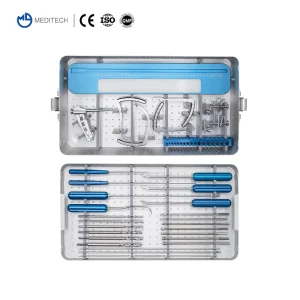
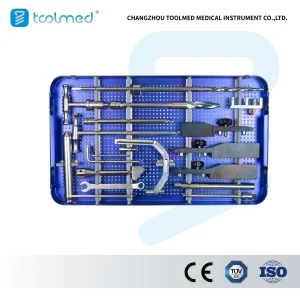
Yes. We provide complete OEM surgical instrumentation sets tailored to specific elbow prosthetic systems. This includes custom reamers, alignment guides, trial implants, osteotomes, and ergonomic quick-coupling handles packaged in customized, autoclavable aluminum sterilization trays.
What cleaning and bio-burden validations are performed before packaging?
All components pass through validated automated multi-stage ultrasonic cleaning lines utilizing deionized water, specialized medical-grade alkaline detergents, and HEPA-filtered drying tunnels. Bio-burden testing, particulate counts, and endotoxin assays (LAL test) are regularly conducted to guarantee cleanroom compliance under ISO 11737.