Sete Orthopedic Implants
Sete Orthopedic Implants
Sete Orthopedic Implants
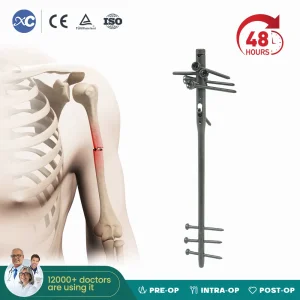
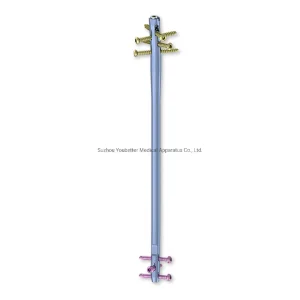
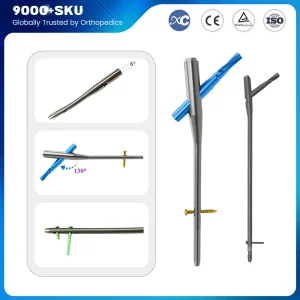
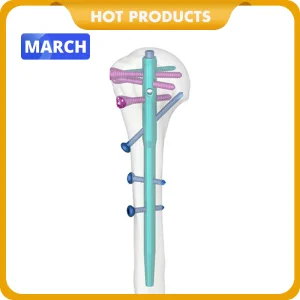
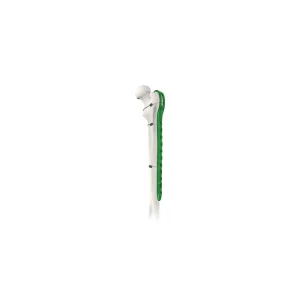
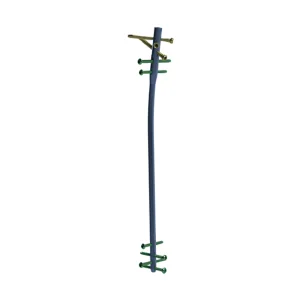
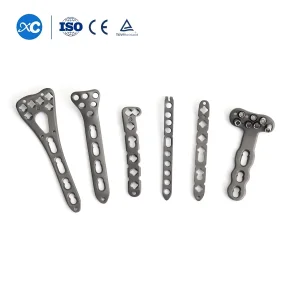
The global orthopedic trauma market has witnessed a paradigm shift in the management of complex proximal humeral fractures. As a cornerstone of upper extremity surgery, the Proximal Humeral Locking Plate has become the gold standard for treating Neer 3-part and 4-part fractures, particularly in the aging population. Currently, the commercial landscape for these implants is characterized by an increasing demand for anatomical designs that reduce surgical time and improve clinical outcomes.
In the industrial sphere, North America and Europe remain high-consumption regions due to advanced healthcare infrastructure and an aging demographic prone to osteoporosis. However, the Asia-Pacific region, spearheaded by China, is rapidly emerging not only as a massive consumer market but also as a primary global manufacturing hub. Manufacturers in China are now leveraging advanced metallurgy and precision CNC machining to rival Western counterparts, offering comparable biocompatibility and mechanical strength at a significantly more competitive price point.
Expected 6.2% CAGR in the orthopedic trauma fixation market through 2030.
Shift towards Grade 5 Titanium Alloy (Ti6Al4V) for superior strength-to-weight ratio.
Efficient supply chains ensuring 24-48 hour delivery to major global surgical centers.
Modern Proximal Humeral Locking Plates are no longer simple stabilization devices; they are bio-engineered instruments designed for early mobilization. The industry is moving toward Multi-Axial Locking Technology, which allows surgeons to adjust screw angles to capture small bone fragments in comminuted fractures. This is particularly vital for elderly patients with low bone mineral density.
Another significant trend is the integration of AI and 3D modeling in pre-operative planning. Manufacturers are now developing plates based on extensive CT scan databases to ensure a better anatomical fit across diverse ethnicities. Low-profile designs have also become essential to minimize subacromial impingement, a common post-operative complication. As we look forward, the development of bio-resorbable coatings and antimicrobial surfaces is set to redefine the next generation of humeral implants.
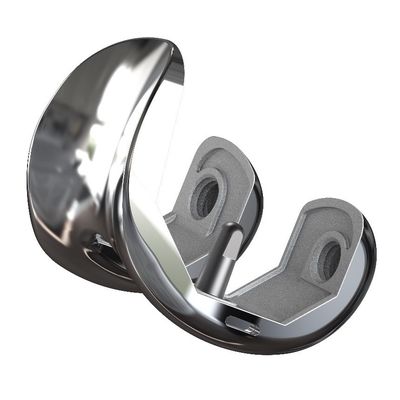
Our Artificial Knee Joint SKII CR Femoral Condyle represents the pinnacle of orthopedic precision. While focusing on trauma solutions like humeral plates, our factory maintains the same rigorous standards for arthroplasty. This condyle features a high-polish finish and optimized geometry to ensure smooth articulation and longevity. As a leading manufacturer, we provide the synergy between trauma and joint replacement solutions that modern hospitals require.
Designed for Cruciate Retaining (CR) procedures, this implant ensures maximum bone preservation and natural knee kinematics. It is the perfect example of how our manufacturing capabilities span across various orthopedic sub-specialties.
Procurement officers in the healthcare sector are currently facing a complex landscape. The primary needs focus on three pillars: Supply Chain Reliability, Regulatory Compliance, and Total Cost of Ownership (TCO). With the volatility of raw material prices (specifically medical-grade titanium), hospitals and distributors are seeking long-term partnerships with manufacturers who can guarantee stable pricing and inventory levels.
Regulatory compliance remains the highest hurdle. Products must meet ISO 13485 standards and carry CE or FDA certification to enter international markets. For a Chinese manufacturer to be a viable "top supplier," they must provide transparent documentation, including material mill certificates and sterilization validation reports. Furthermore, the demand for OEM/ODM services is surging, as regional distributors look to create branded product lines tailored to their specific market's surgical preferences.
The application of the Proximal Humeral Locking Plate varies across different medical environments:
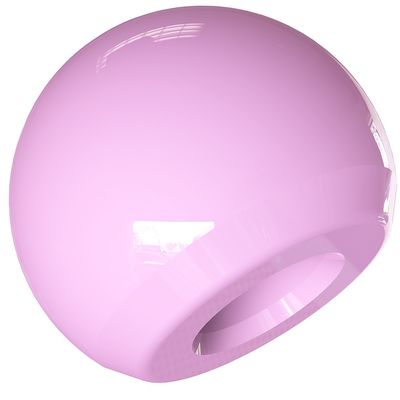
Our Orthopedic Implant Ceramic Femoral Head THA is engineered for maximum wear resistance and biological compatibility. In the context of total hip arthroplasty (THA), the ceramic-on-polyethylene or ceramic-on-ceramic interface provides the lowest friction coefficient available.
As a top-tier manufacturer, we utilize advanced ceramic processing techniques to ensure high fracture toughness. This product demonstrates our commitment to high-end medical materials that extend the lifespan of orthopedic implants, reducing the need for painful revision surgeries for patients worldwide.
Shanghai Sete Technology Co., Ltd. stands as a beacon of quality in the Chinese orthopedic manufacturing sector. Based on a complete supply chain system, we provide customers with a full range of orthopedic product series and solutions that meet and exceed international expectations.
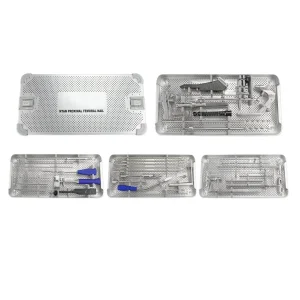
With over 30 years of experience in supplying orthopedic products, we possess the deep industry knowledge required to navigate complex clinical requirements. Our competitive edge lies in our ability to offer high-precision instruments and implants while maintaining the cost-efficiencies of a China-based factory. We have enough resources to meet your needs for OEM and ODM, allowing for customized plate geometries and screw configurations.