Sete Orthopedic Implants
For buyers comparing shoulder arthroplasty suppliers and exporters, the strongest sourcing decisions start with a clear view of the implant, anchor, fixation and instrumentation portfolio. The selected products below cover shoulder arthroscopy, rotator cuff repair, proximal humerus fixation, clavicle plating and cannulated screw fixation. Original product URLs and images are preserved for direct review.
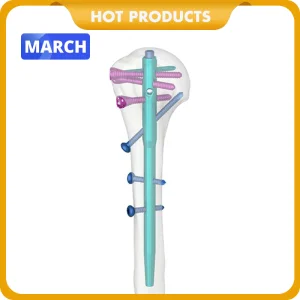
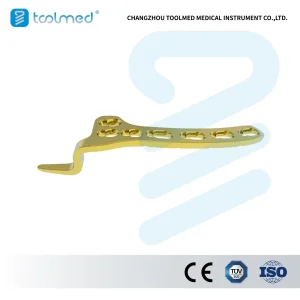
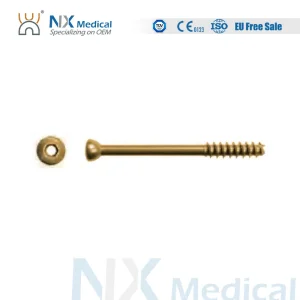
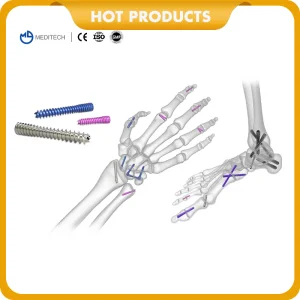
In global orthopedic markets, the strongest shoulder arthroplasty suppliers are no longer judged only by unit price. Distributors, hospitals and OEM buyers now examine clinical portfolio fit, instrument compatibility, regulatory documentation, packaging, traceability, surgeon training and continuity of supply.
China Best Shoulder Arthroplasty Supplier & Exporters is a high-intent search phrase because buyers are not casually browsing. They are comparing suppliers for reverse and anatomic shoulder pathways, sports medicine anchors, proximal humerus fixation, clavicle plates, cannulated screws and supporting instrumentation. For a distributor, the purchase decision affects inventory planning, tender response, operating room readiness and long-term brand credibility. For an OEM or private-label buyer, it affects design transfer, labeling, conformity documents, sterile or non-sterile packaging logic, and the ability to scale without supply interruptions.
This guide is written for that decision context. It combines supplier selection criteria, macro industry solutions, global commercial conditions, localized support, compliance assurance, application scenarios and a technology roadmap. The objective is information gain: a practical evaluation framework that helps procurement teams ask better questions, reduce hidden risk and build a shoulder arthroplasty program that is clinically relevant, commercially resilient and export-ready. Clinical decisions must always remain with qualified surgeons and local regulatory authorities; this content is for sourcing, industrial and market-entry planning.
Based on a complete supply chain system, we provide customers with a full range of orthopedic product series and solutions.
Over 30 Years Experience of supplying the orthopedic product. We have enough resources to meet your needs for OEM and ODM.
For shoulder arthroplasty buyers, this means a supplier relationship can extend beyond a single SKU: anchors, screws, plates, nails and instrument sets can be evaluated within one export-oriented orthopedic platform, supported by responsive communication, certification documentation, delivery handling and surgeon-facing support.
Shoulder arthroplasty sits inside a broader orthopedic ecosystem. Reverse shoulder, anatomic shoulder, revision procedures, rotator cuff repair, proximal humerus fracture fixation and clavicle reconstruction all require different implant families, instrument trays and support documentation.
Buyers increasingly seek a coordinated pathway that links shoulder arthroplasty products with suture anchors, cannulated screws and sports medicine instruments. A supplier that understands the relationship between implants, anchors and procedure workflow can reduce compatibility surprises and simplify distributor training.
Different markets adopt shoulder systems at different rates. Some hospital groups prioritize reverse shoulder systems for complex indications, while others build around anatomic shoulder, hemiarthroplasty and revision readiness. Exporters must support a portfolio logic that matches local surgeon preference, reimbursement paths and tender specifications.
The implant alone is not a complete offer. Trials, reamers, guides, screwdrivers, sterilization cases, labeling and spare parts influence adoption. A white-paper-level evaluation should ask whether instrumentation is compatible across markets, whether tray configuration supports high-volume turnover, and whether documents align with local hospital requirements.
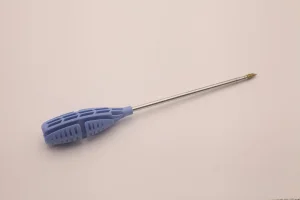
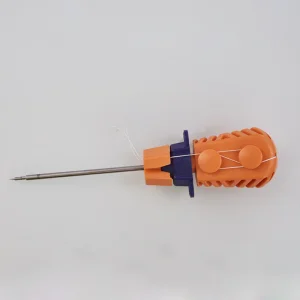
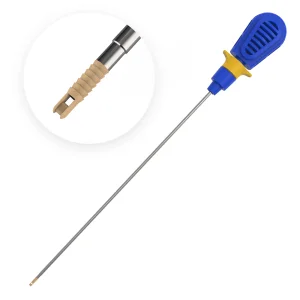
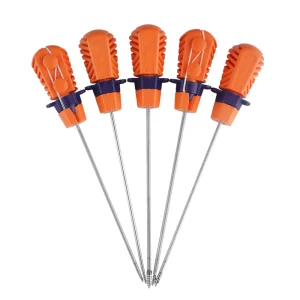
Arthroscopic shoulder surgery and rotator cuff repair depend on reliable suture anchors, instruments and procedure support. Titanium and PEEK anchor options, cannulated delivery systems and repair instruments can complement a shoulder arthroplasty portfolio and broaden distributor access to sports medicine customers.
Trauma pathways overlap with shoulder care. Humeral intramedullary nails, clavicle hook locking plates, cannulated screws and instrument sets create additional sales channels for hospitals treating fragility fractures, sports injuries and complex upper-limb trauma.
For distributors and brand owners, OEM/ODM resources matter as much as the catalog. Private-label packaging, localized IFUs, barcode logic, lot traceability and shipment consolidation allow a local brand to test demand while maintaining professional presentation and regulatory discipline.
The global orthopedic environment is shaped by hospital consolidation, value-based purchasing, tender scrutiny, aging populations, sports medicine growth, supply-chain volatility and rising expectations for digital documentation.
Buyers ask for clinical rationale, design consistency, traceability, CE-related documentation, complaint handling and reliable replenishment. Regional distributors may require private-label positioning, consignment logic and evidence that the supplier can support hospital value-analysis committees.
Expanding surgical capacity, tiered pricing and local training are reshaping demand. A supplier that offers low initial order thresholds, responsive communication, procedure workshops and instrument set consolidation helps distributors serve both premium hospitals and cost-sensitive markets.
Tender-driven purchasing and distributor-led market access reward exporters with strong export handling, bilingual documentation, flexible payment terms and the ability to coordinate registration paperwork with local partners.
Affordability, education and supply continuity matter. No-MOQ testing programs, durable packing, modular product families and surgeon demonstration support can help local partners build adoption without overcommitting inventory.
A qualitative procurement-visualization model, not a market forecast or clinical ranking.
Commercial implication: exporters that provide a complete evidence pack, responsive quoting, low market-testing barriers and training support are better positioned for long-term distributor relationships than suppliers that compete only on unit price.
Reliability is built before shipment. It starts with product documentation, manufacturing discipline, lot traceability, export handling and continues through distributor training and surgeon-facing support.
ISO and CE certified product support, technical files, labeling information and lot-level traceability help distributors answer local registration and hospital procurement questions with greater confidence.
Each shipment should support clear identification of product family, batch, sterilization status where applicable, packaging configuration and documentation set. Traceability reduces recall risk and strengthens distributor credibility.
Proficient delivery and export handling matter for high-value orthopedic products. Suppliers should coordinate commercial documents, packing lists, customs requirements, shipping schedules and after-sales follow-up.
Workshops in China, surgeon demonstrations for distributor-led procedures, advertising sponsorship and exhibition support help local partners introduce the portfolio with a stronger technical and commercial presence.
These original service commitments position Shanghai Sete Technology Co., Ltd. as an export-oriented orthopedic partner for distributors, OEM buyers and private-label brands.
Prompt response to enquiry in 2 HOURS.
Competitive prices and no MOQ requirement to help customers test the quality and market.
High quality with ISO, CE certified.
Proficient delivery and export handling.
Surgical technique training and workshop in China and sending surgeons to demonstrate and support surgery for distributors.
Sponsorship in advertisement and expo.
Good payment terms for our reliable exclusive distributors.
We are trying our best to follow the newest technical, new design and develop our products all the time.
Professional communication, training workshops, exhibition presence and export operations are part of the supplier experience. These images are retained from the original company content and presented in a responsive support gallery.

Distributor Collaboration
Surgical Training & Workshop
Exhibition & Market Support
Export Operations
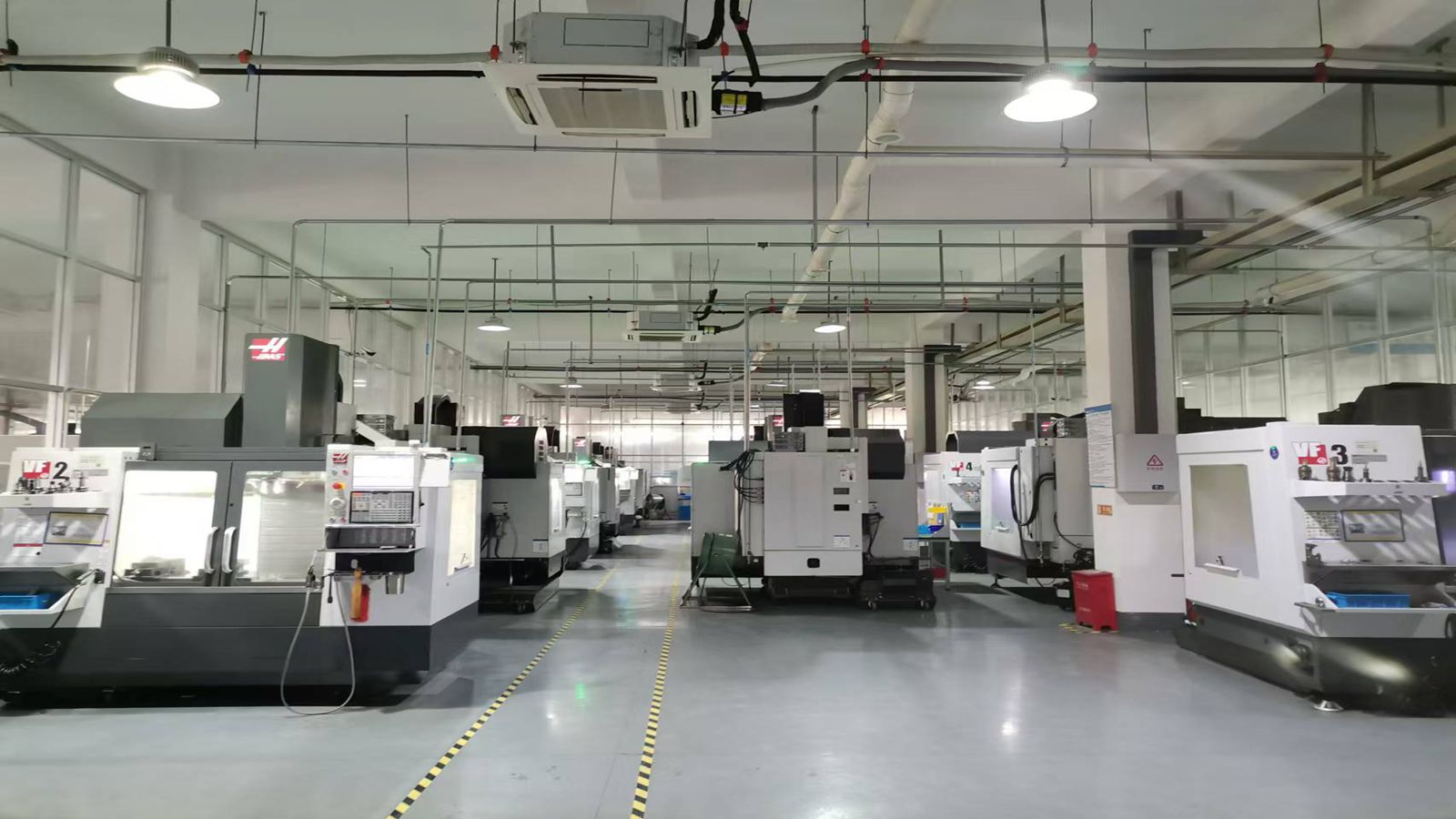
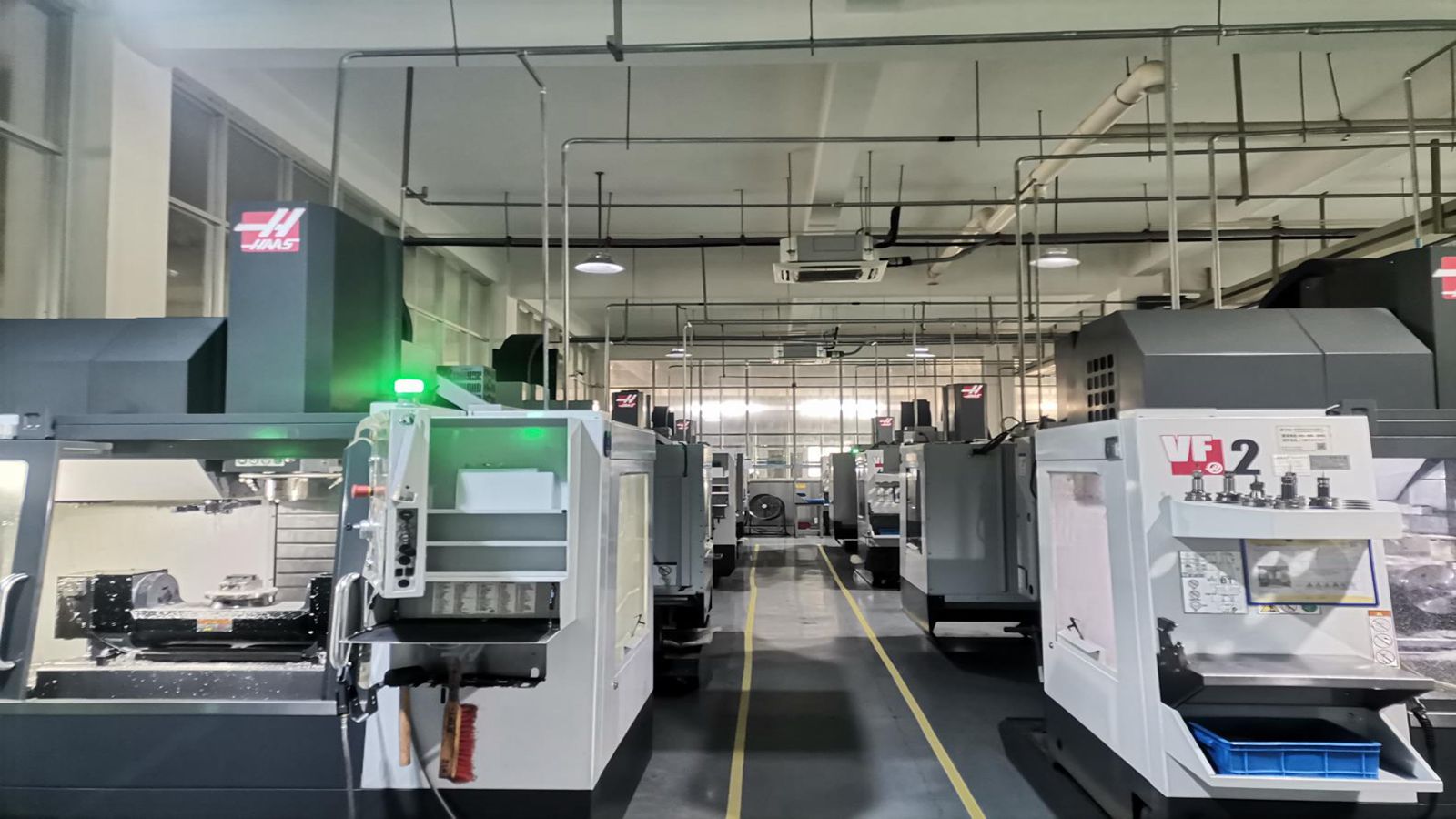
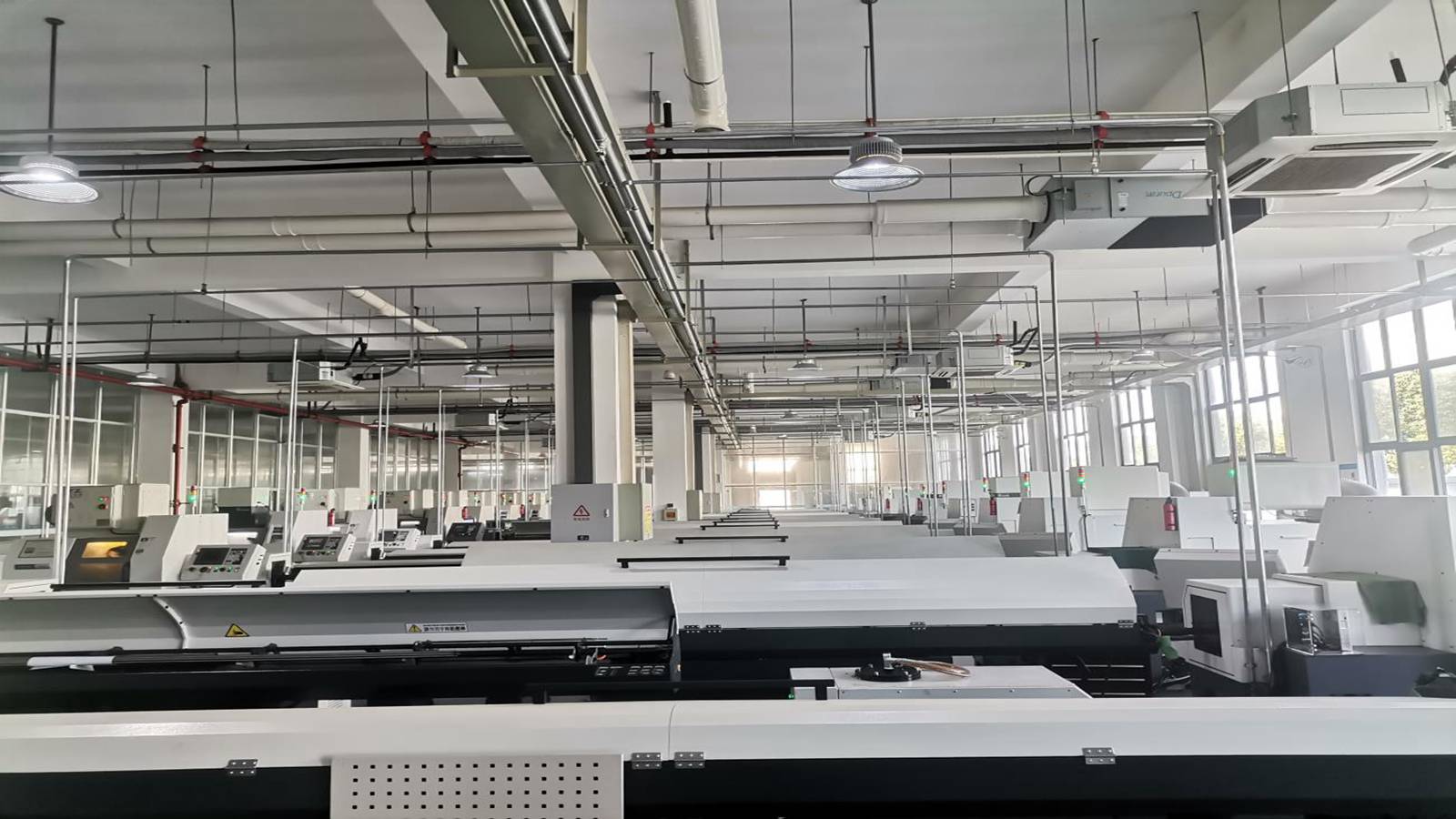
Orthopedic sourcing requires evidence of process control. The original process images are retained and arranged to show the manufacturing and quality pathway, from raw material preparation to final packing.
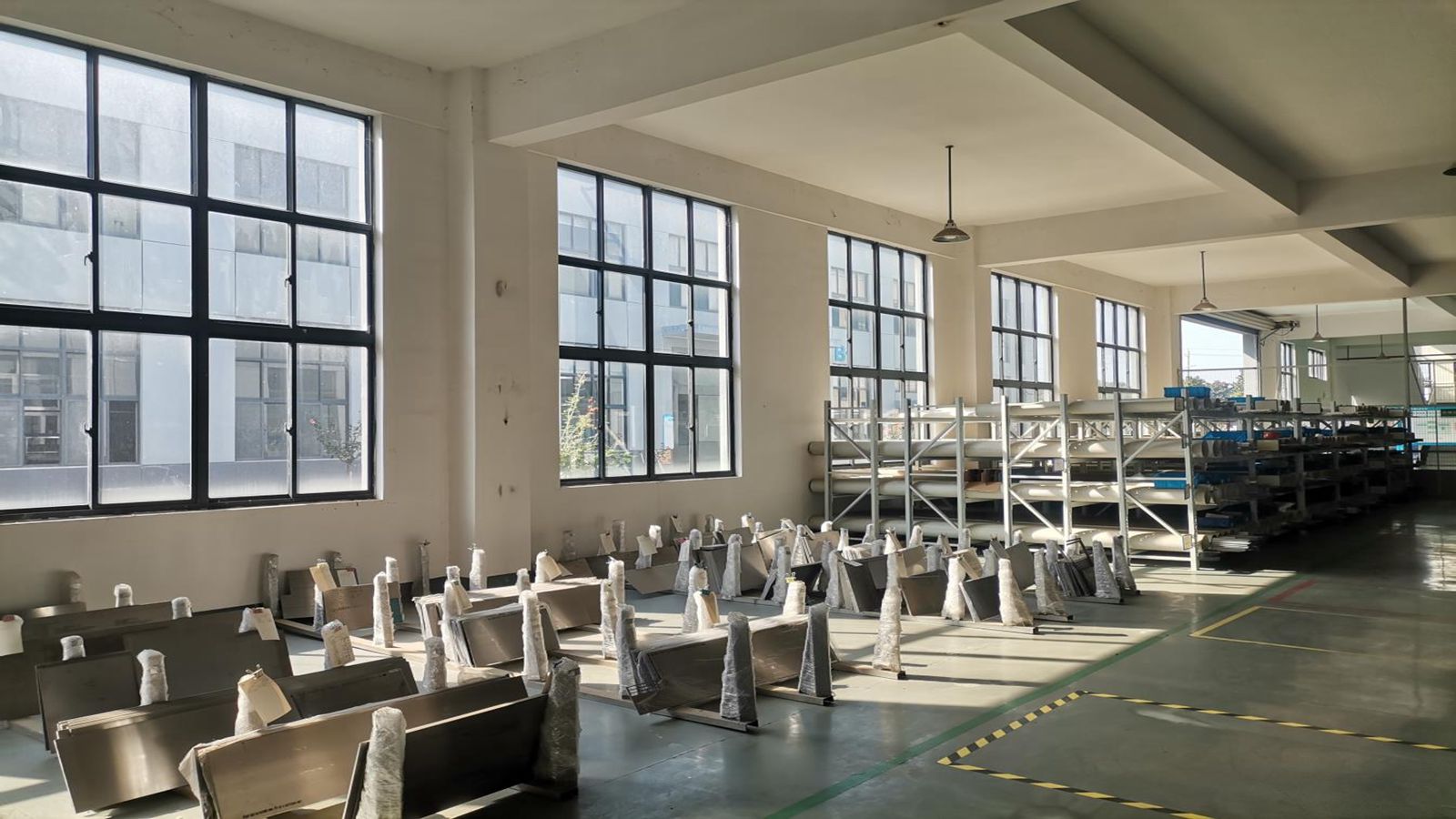
Raw Materials
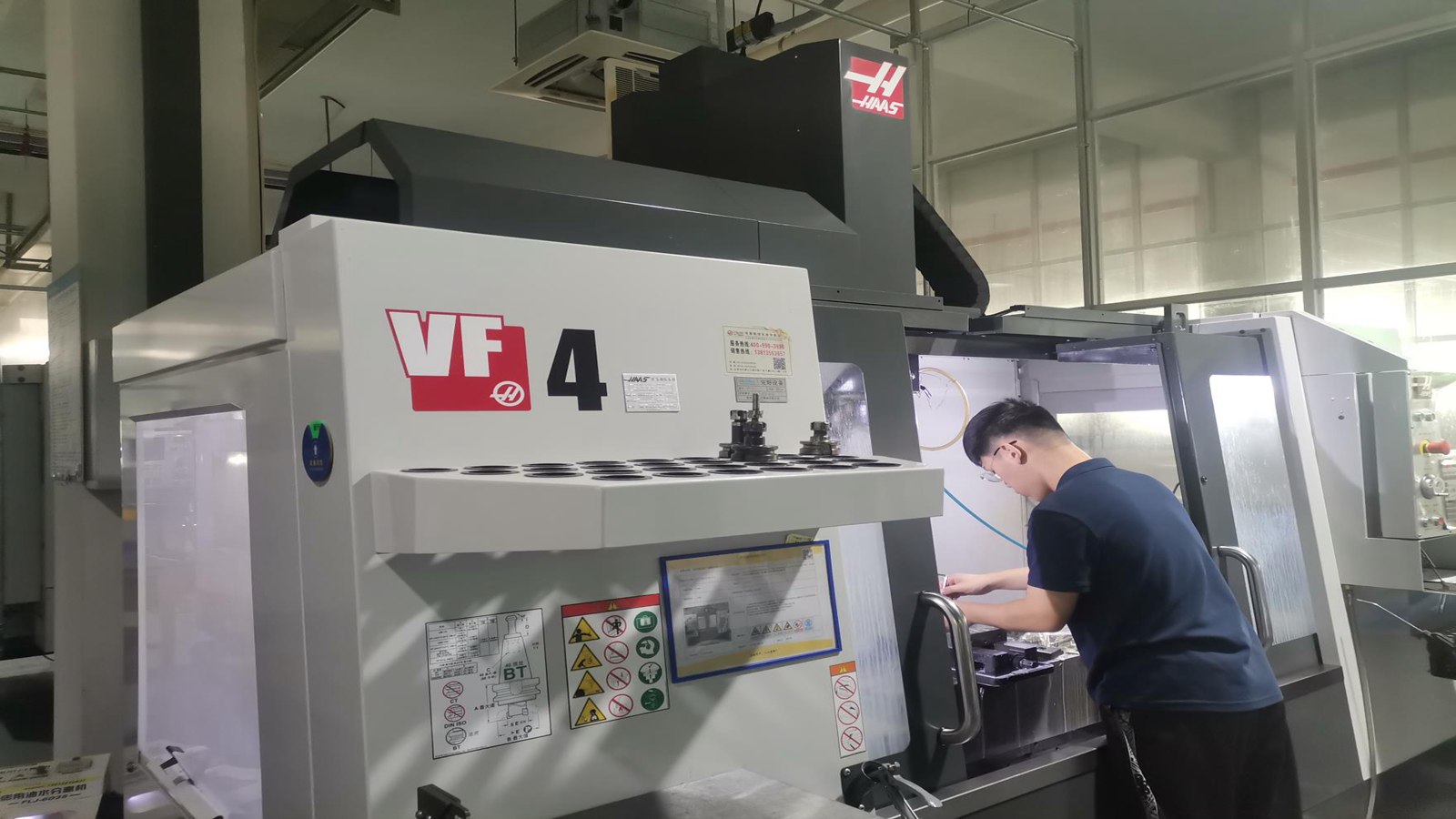
CNC Processing
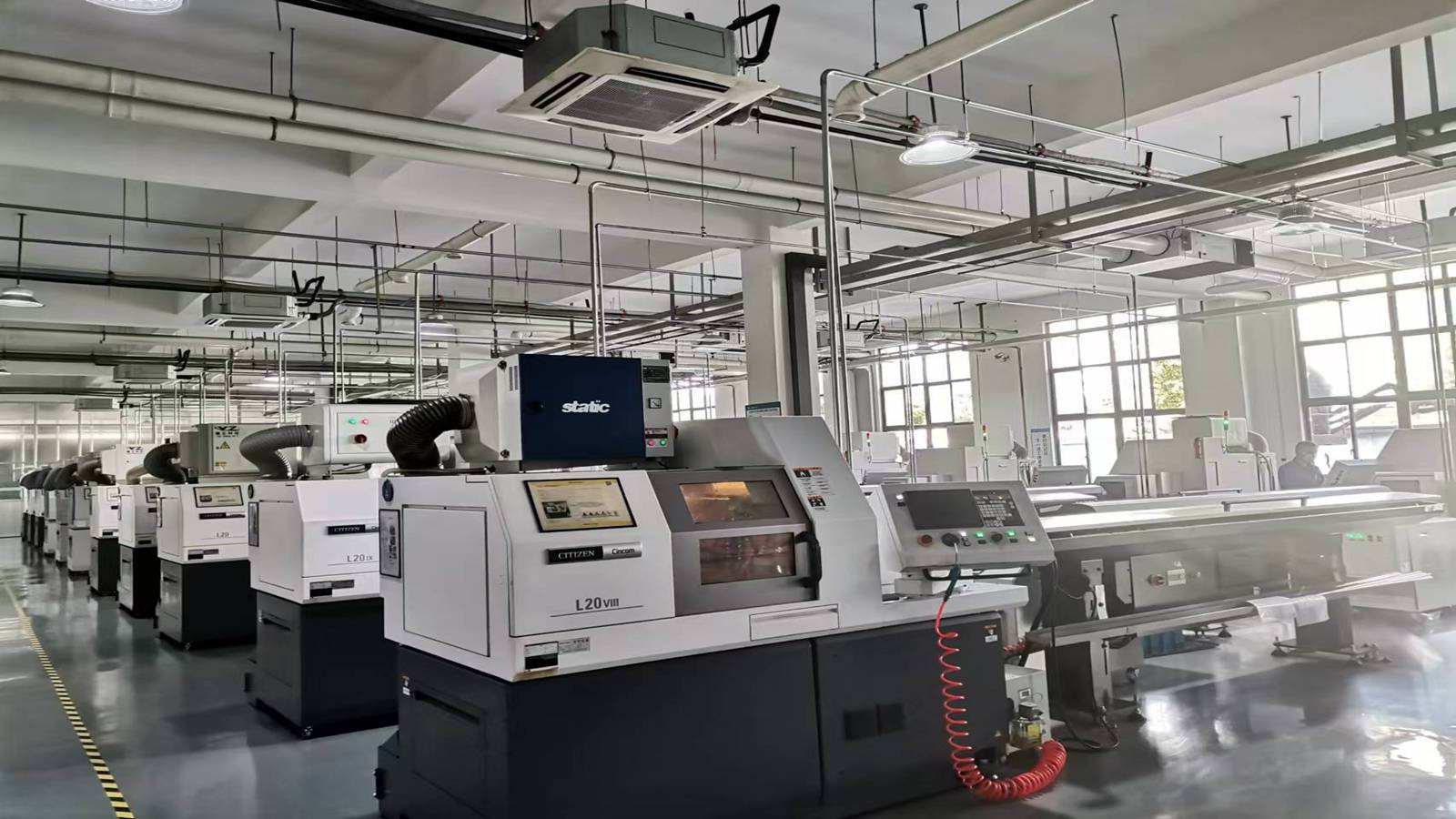
Precision Engineering
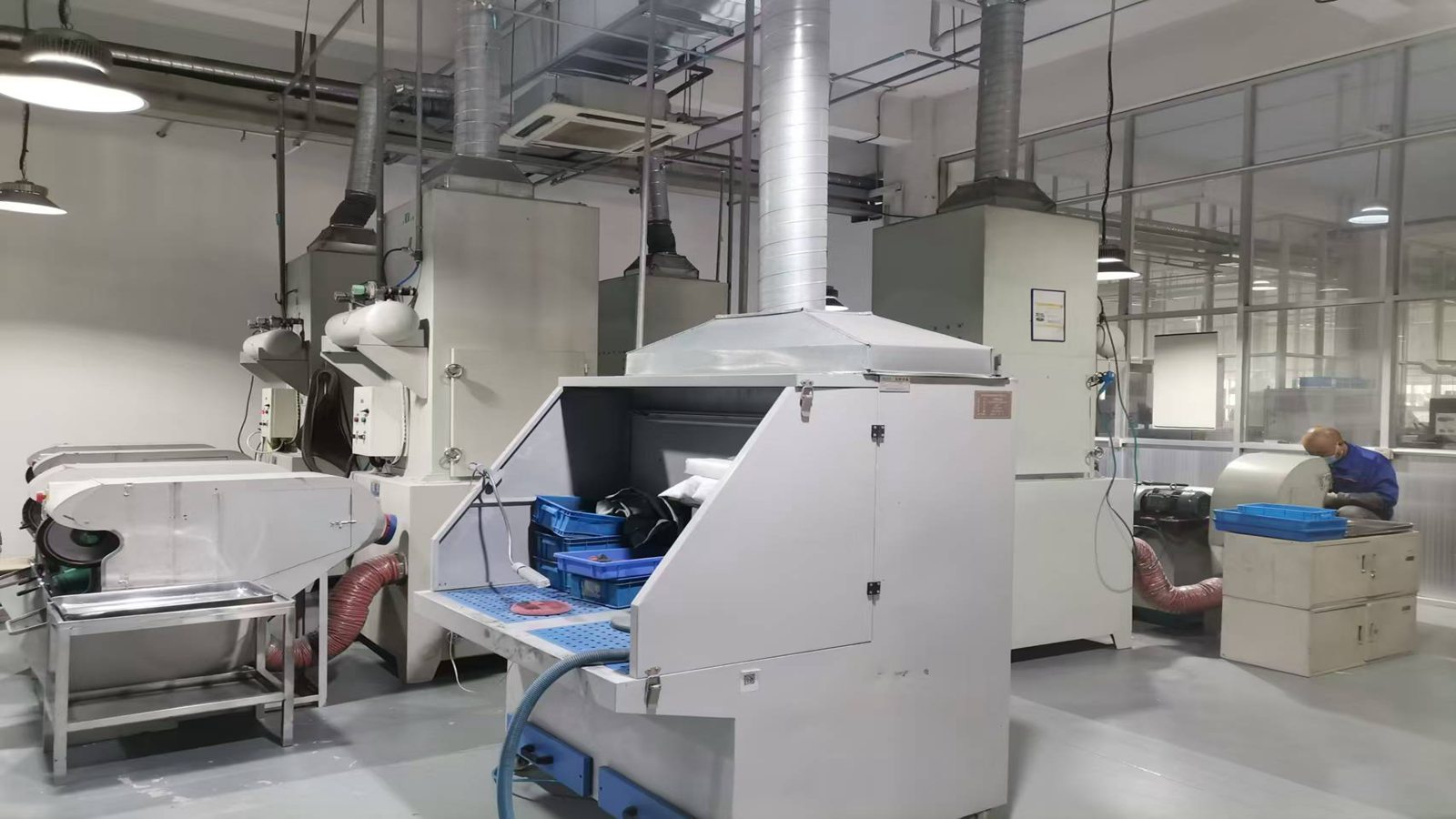
Polishing
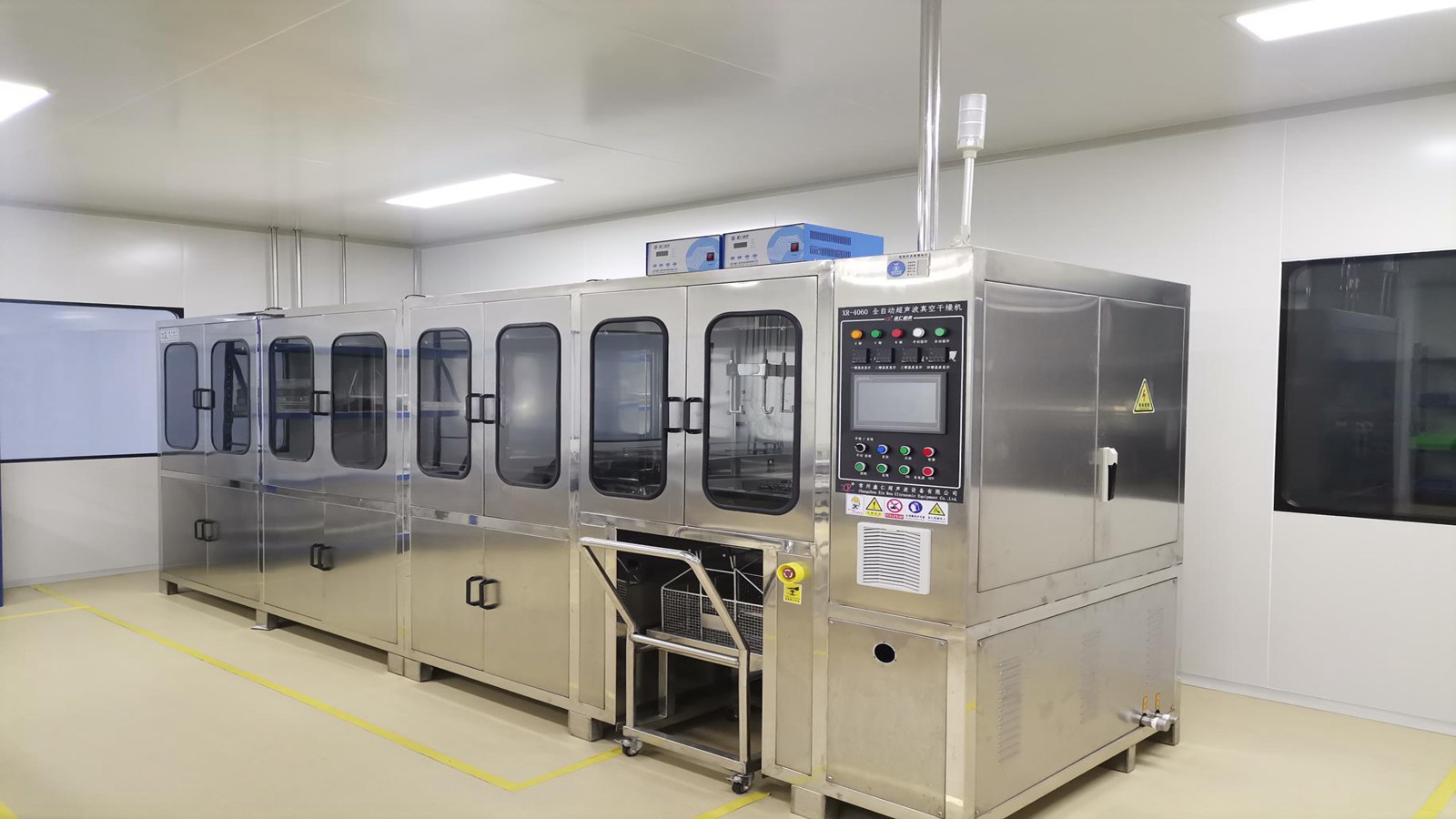
Ultrasonic Cleaning
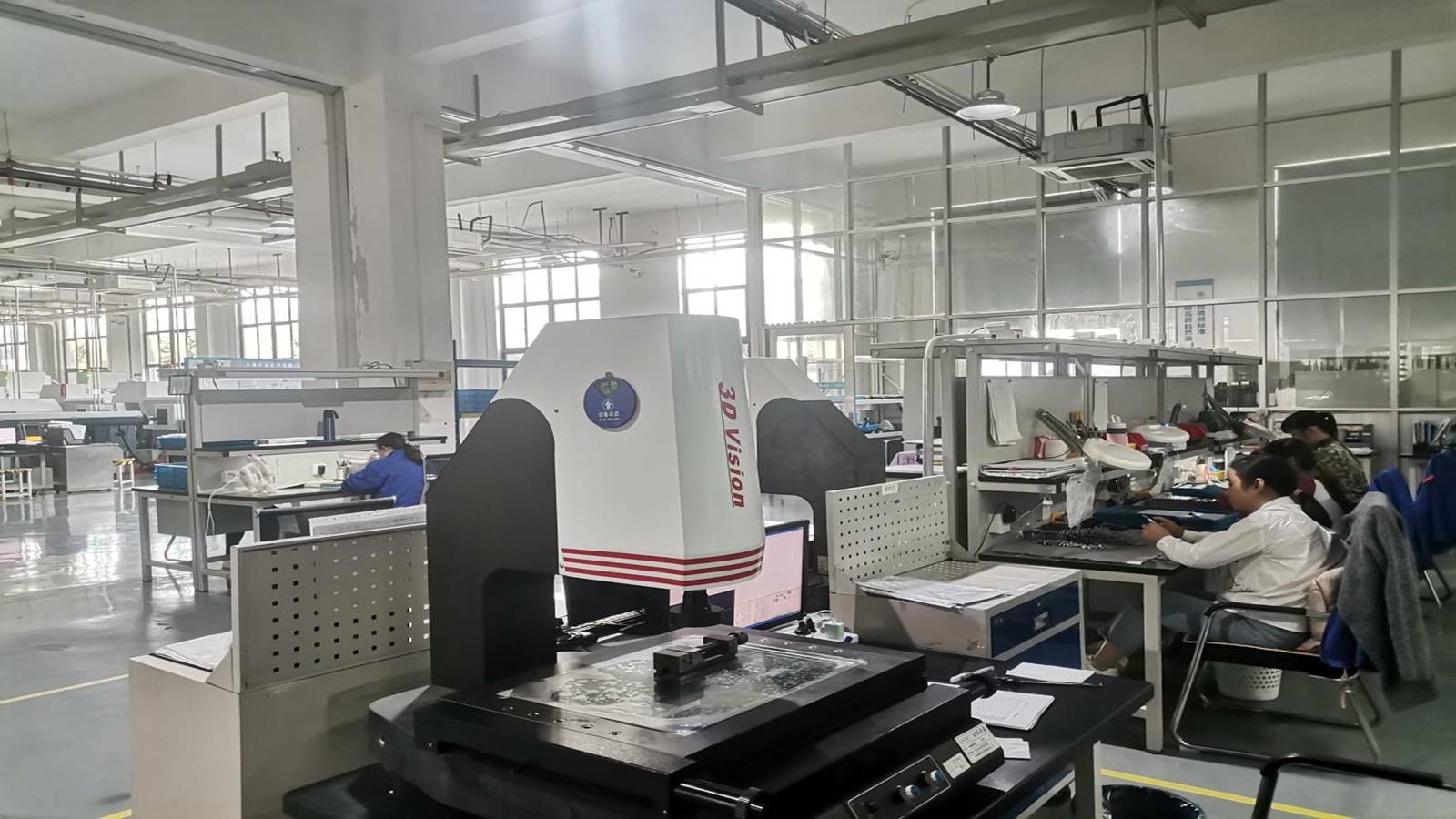
Inspection
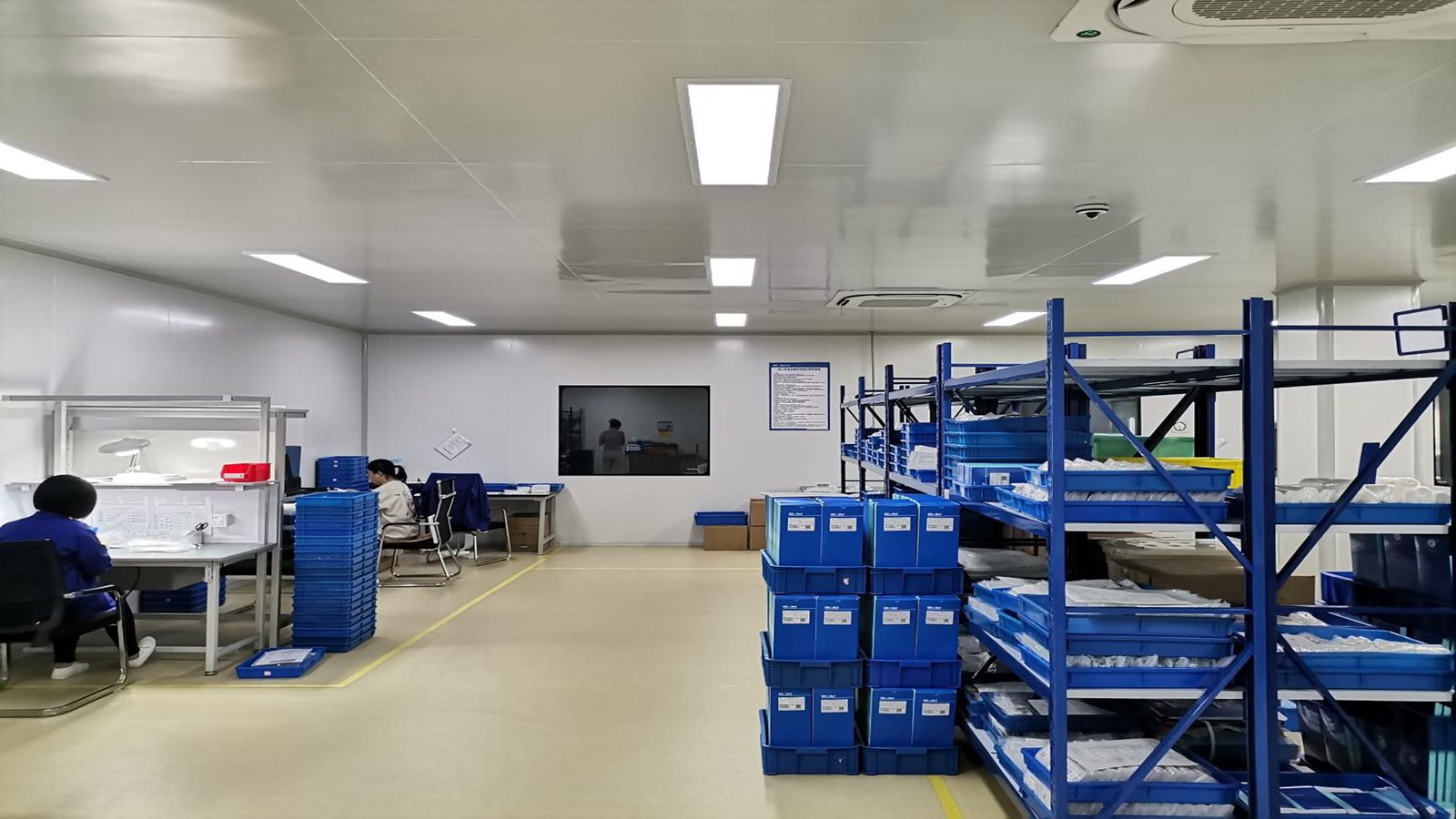
Packing
Shoulder arthroplasty demand is not uniform. A hospital arthroplasty program, a sports medicine center, a tender-driven distributor and an OEM private-label brand each require a different combination of products, documents and support.
Hospitals building or expanding a shoulder program need implant and instrument compatibility, traceability, sterilization workflow alignment and documentation that supports procurement review. Suture anchors, humeral nails, clavicle plates and screws can extend the program into soft-tissue repair and trauma pathways.
Sports medicine customers focus on anchor reliability, instrument ergonomics, procedure efficiency and access to rotator cuff repair solutions. Titanium and PEEK suture anchor options with complementary instruments allow distributors to serve high-volume shoulder arthroscopy practices.
Tender success depends on response speed, price competitiveness, documentation and consistent supply. No-MOQ testing supports market validation, while ISO/CE certified product families and export handling reduce the operational burden on local distributors.
Brand owners can use OEM/ODM resources to build a localized portfolio without managing every upstream process. Packaging, labeling, product mix, documentation and shipment coordination can be aligned with the brand’s market entry plan and distributor agreements.
Proximal humerus fractures, clavicle injuries and complex upper-limb trauma require plates, nails, screws and instruments. Humeral intramedullary nails, clavicle hook locking plates and cannulated screws create a practical cross-selling pathway alongside shoulder arthroplasty products.
In markets where shoulder arthroplasty is still developing, education drives adoption. Workshops, surgeon demonstrations, exhibition sponsorship and sample-supported market testing help distributors build confidence before larger inventory commitments.
The next stage of orthopedic sourcing will reward suppliers that combine traditional manufacturing discipline with digital documentation, smarter instrumentation, faster customization and stronger lifecycle support.
Shoulder arthroplasty innovation continues to move toward bone-preserving options, streamlined instruments and procedure-specific efficiency. Exporters should prepare distributors for evolving surgeon preferences and tiered hospital demand rather than assuming a single shoulder design will fit every market.
As aging populations and complex indications increase in many markets, reverse shoulder and revision-oriented procurement may grow. Suppliers and distributors should build training, inventory and instrumentation plans that can support more demanding case portfolios.
Preoperative planning, digital templating, barcode-driven workflows and data-rich instrument trays are becoming part of hospital expectations. SEO content and product documentation should evolve toward structured technical data, compatible file formats and clear digital support.
Traceability will move beyond lot numbers. Tray-level visibility, sterilization cycle documentation, barcode scanning and recall readiness can strengthen hospital confidence and distributor service quality, especially in tenders and multi-country distribution.
Titanium, PEEK, coating technologies and cannulated delivery systems continue to evolve. For shoulder surgery and sports medicine, anchor design, insertion feel, suture compatibility and instrumentation stability remain practical differentiators in distributor and surgeon evaluations.
Hospitals increasingly consider sterile packaging waste, transport efficiency and supplier responsiveness. Exporters that improve packing logic, documentation quality, replenishment accuracy and product lifecycle support can align with value-based procurement while protecting margins.
Future-ready supplier profile: a shoulder arthroplasty partner that connects implant families, suture anchors, trauma fixation, instrumentation, OEM/ODM flexibility, compliance documentation and local training into one coherent export program.
Shanghai Sete Technology Co., Ltd. supports a full-range orthopedic product series and solutions. The following original featured product content is retained to show the wider platform available for distributors and OEM/ODM buyers.
The broader orthopedic portfolio includes trauma, spine fusion, maxillofacial, sports medicine, joint reconstruction, instrument sets and fixation products. For shoulder-focused distributors, this creates opportunities to consolidate suppliers, test adjacent categories and build a more resilient product roadmap. For OEM/ODM brands, it creates a foundation for private-label expansion without losing focus on documentation, packaging and delivery discipline.
Use these questions to structure supplier conversations, tender reviews, distributor onboarding and OEM/ODM discussions.
A complete program should connect implant family selection, trial and instrument compatibility, suture anchors for soft-tissue repair, trauma fixation products, sterile or non-sterile packaging logic, lot traceability, labeling, technical documents and after-sales training. A supplier that offers only a single SKU without instrumentation or documentation support can create hidden costs for distributors and hospitals.
Relevant products include titanium suture anchors, PEEK suture anchors, suture anchor instruments for rotator cuff repair, interlocking humerus nails, clavicle hook locking plates and cannulated compression screws. These products support shoulder arthroscopy, sports medicine, proximal humerus fixation, clavicle reconstruction and upper-limb trauma pathways.
Buyers should ask for ISO and CE certified product documentation, lot traceability, packaging and labeling details, technical specifications, material declarations and export records. It is also reasonable to request sample verification, process photos and evidence of inspection before packing. Documentation quality is a leading indicator of supplier reliability.
A practical OEM/ODM program can begin with a focused product mix, low initial order quantity, neutral or private-label packaging, localized labeling review and export documentation. This allows distributors to validate surgeon interest, price positioning and inventory turnover before scaling to larger production runs. The supplier should clarify minimum order thresholds, tooling or packaging setup requirements and lead times.
Distributors should expect prompt enquiry response, competitive pricing, no-MOQ testing options, export handling, delivery coordination, product training, workshop or demonstration support, exhibition sponsorship and clear payment terms for reliable partners. For shoulder arthroplasty and sports medicine, surgeon-facing support is especially valuable when launching a new product family.
Future sourcing will likely reward suppliers that combine bone-preserving implant trends, reverse shoulder readiness, AI-assisted planning, digital traceability, smarter instrument trays, material innovation and sustainable packaging. Distributors should avoid treating shoulder arthroplasty as a one-off purchase and instead build a lifecycle partnership around training, documentation and continuous product development.
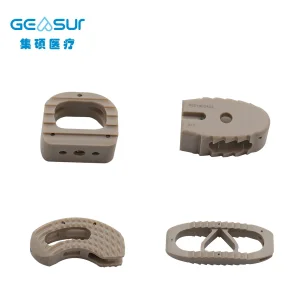
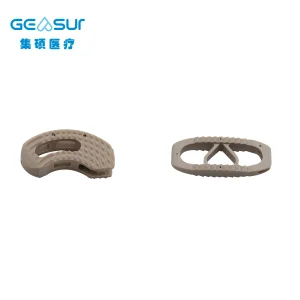
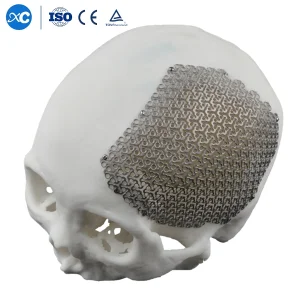
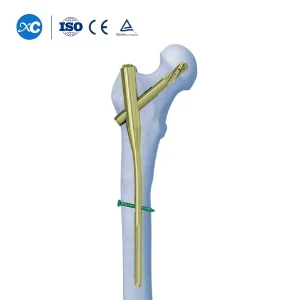
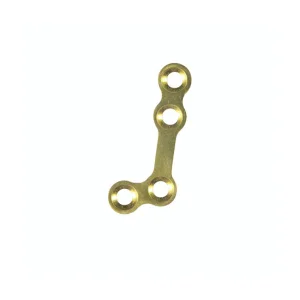
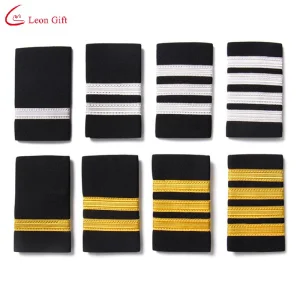
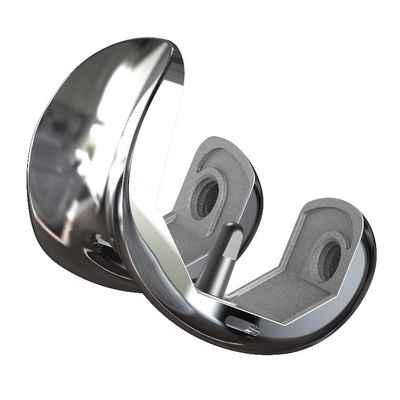
The following original product images and URLs complete the full 16-item showcase. These products demonstrate the wider export portfolio, including solar mounting structure, cervical and lumbar fusion instrument sets, maxillofacial implants, PFNA femur nails, sagittal split plates and embroidered uniform shoulder rank.