Sete Orthopedic Implants
Sete Orthopedic Implants
Sete Orthopedic Implants
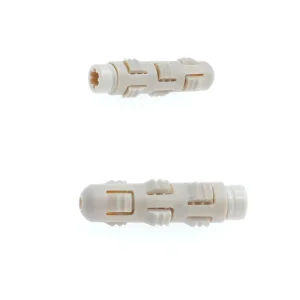
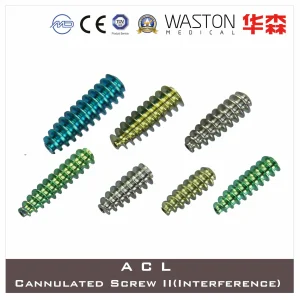
Engineered for precise soft-tissue and bone-tendon-bone graft fixation in ACL, PCL, and collateral ligament arthroscopic reconstructions.
An analysis of soft-tissue fixation demands, traumatic sports injury profiles, and regional supply chain pathways in the South Pacific.
Fiji possesses a distinct clinical profile in orthopedics, driven largely by its vibrant, sports-centric culture. Rugby Union and Rugby Sevens are more than national sports; they are central societal activities involving thousands of amateur and elite athletes. Consequently, the incidence rate of complex knee injuries—specifically anterior cruciate ligament (ACL) ruptures, posterior cruciate ligament (PCL) tears, and multi-ligament instability—is disproportionately high compared to global averages.
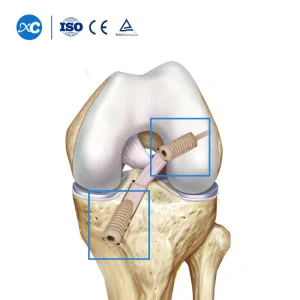
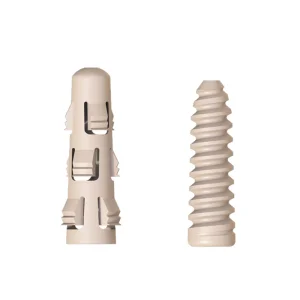
Orthopedic surgeons working at public referral hubs like the Colonial War Memorial Hospital (CWMH) in Suva and the Lautoka Hospital, alongside private facilities, require immediate, reliable access to high-performance implant systems. The interference screw serves as the anchor point of arthroscopic reconstruction, securing the soft tissue tendon graft (such as hamstring or patellar tendon) inside the tibial and femoral bone tunnels. Without highly biocompatible and biomechanically stable screws, local athletes face prolonged recovery phases or career-ending joint degeneration.
For public and private procurement departments in Nadi, Suva, and Lautoka, sourcing certified orthopedic implants presents unique logistical hurdles. Mainstream medical manufacturers often route products through secondary or tertiary distributors in Australia or New Zealand, incurring significant markups, lengthy delivery delays, and inconsistent inventory support.
By establishing direct channels with primary medical device factories and exporters in China, Fiji’s healthcare providers can bypass unnecessary intermediaries. This strategy dramatically reduces the per-unit cost of PEEK and bioabsorbable interference screws, allowing hospital administrators to maximize their budgets and address the surgical backlog of sports medicine patients across the Fiji islands, including Vanua Levu and Viti Levu.
An evaluation of modern orthopedic biomaterials, showcasing the mechanics of bone-to-tendon integration.
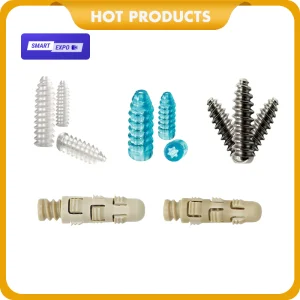
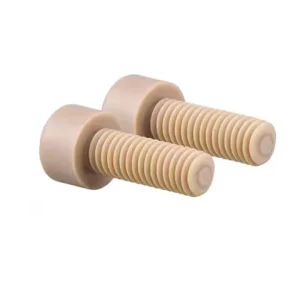
Modern arthroscopic reconstruction has evolved past standard metallic (Titanium) screws, which can cause MRI imaging artifacts and necessitate a second surgical intervention for removal. Today’s clinical standards focus on PEEK (Polyether ether ketone) and Bioabsorbable Polymers (PLLA, Biocomposite materials).
| Material Variant | Young’s Modulus & Elasticity | Imaging Compatibility (MRI/CT) | In-Vivo Degradation & Osteointegration | Ideal Fiji Clinical Scenario |
|---|---|---|---|---|
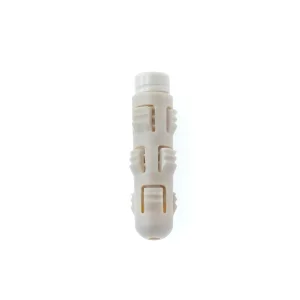
| Medical Grade PEEK | Close to cortical bone, reducing stress shielding. | Excellent radiolucency; zero artifacts. | Non-absorbable; permanent high mechanical stability. | Revision ACL surgery, heavy-impact athletes (rugby players). |
| PLLA / PLDLA | Flexible, bio-compatible polymer. | Radiolucent. | Slowly degrades into lactic acid over 18–36 months. | Standard ACL/PCL reconstructions in young patients. |
| Biocomposite (PLLA + TCP/HA) | High compression strength. | Radiolucent with visible bone margins. | Bioabsorbable; osteoconductive elements promote bone growth. | Ideal for patients demanding fast bone healing and minimal long-term foreign materials. |
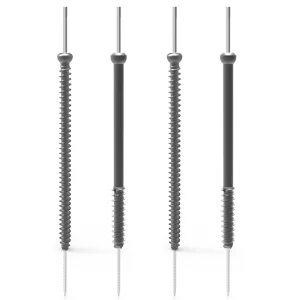
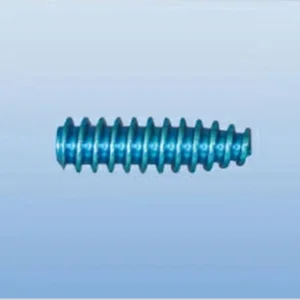
High-performance interference screws utilize a cannulated design, permitting insertion over a guide wire to ensure accurate axial alignment within the bone tunnel. This minimizes the risk of divergence or graft laceration during installation. Combined with a rounded thread profile, these screws maximize pull-out strength while protecting the fragile structural fibers of autografts and allografts.
Delivering world-class orthopedic device manufacturing and robust export pipelines to Fiji and the wider Pacific Islands.
As an established pioneer in orthopedic manufacturing, Shanghai Sete Technology Co., Ltd. leverages a highly robust, vertically integrated supply chain system. With over 30 years of medical-grade device manufacturing experience, we furnish surgical distributors and hospital administrators with comprehensive product catalogs, custom OEM/ODM solutions, and end-to-end regulatory and export documentation support.
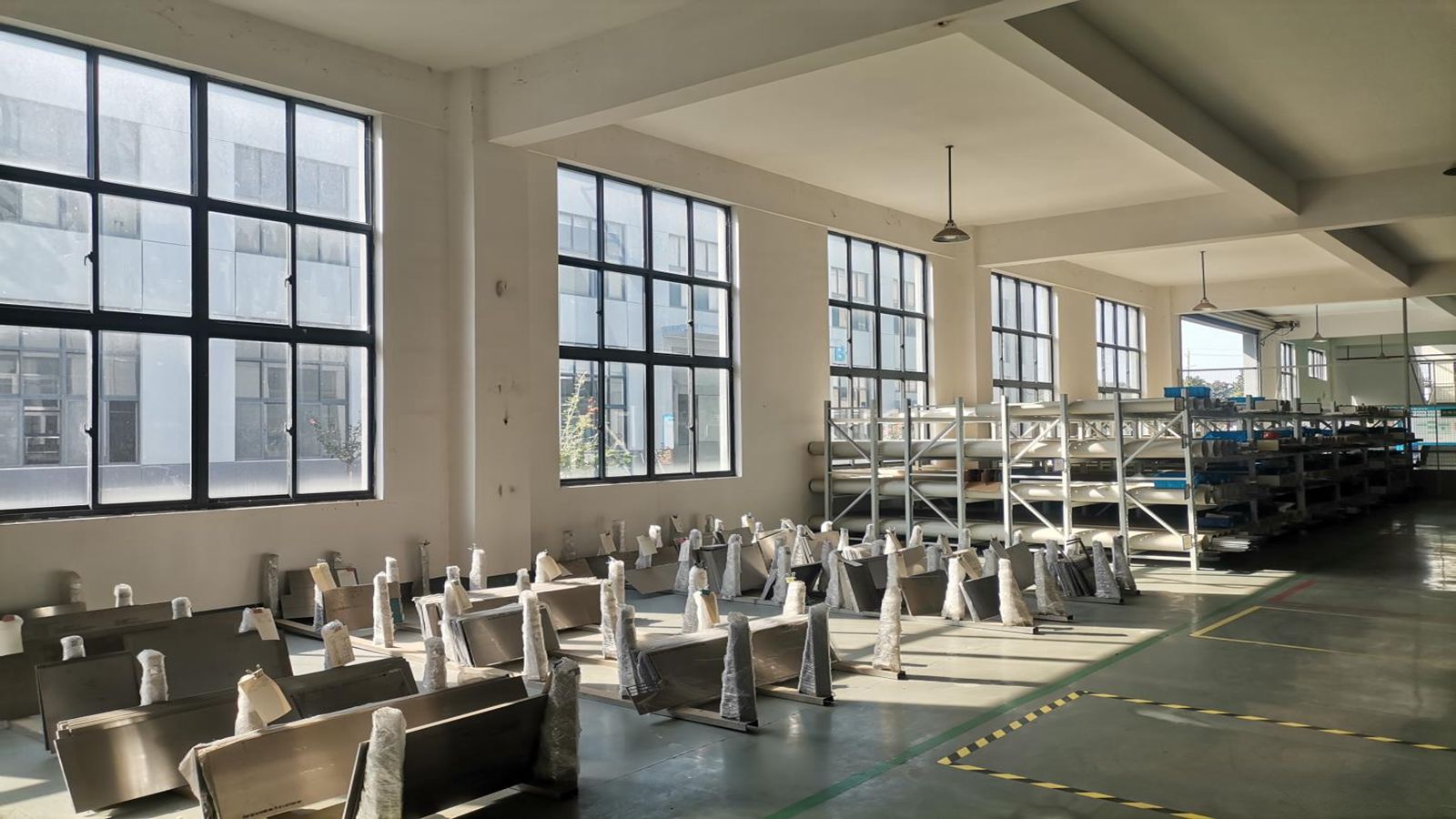
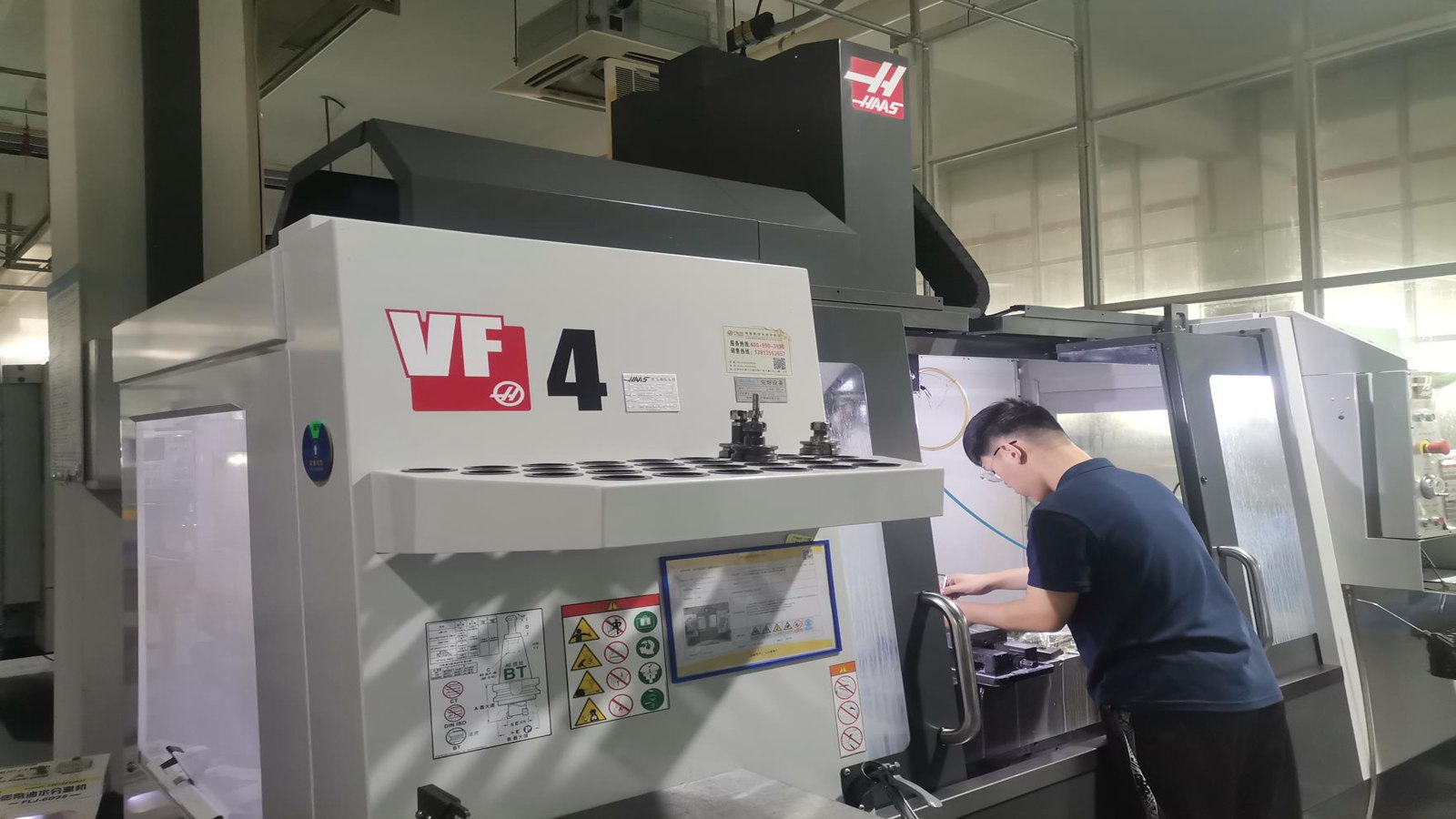
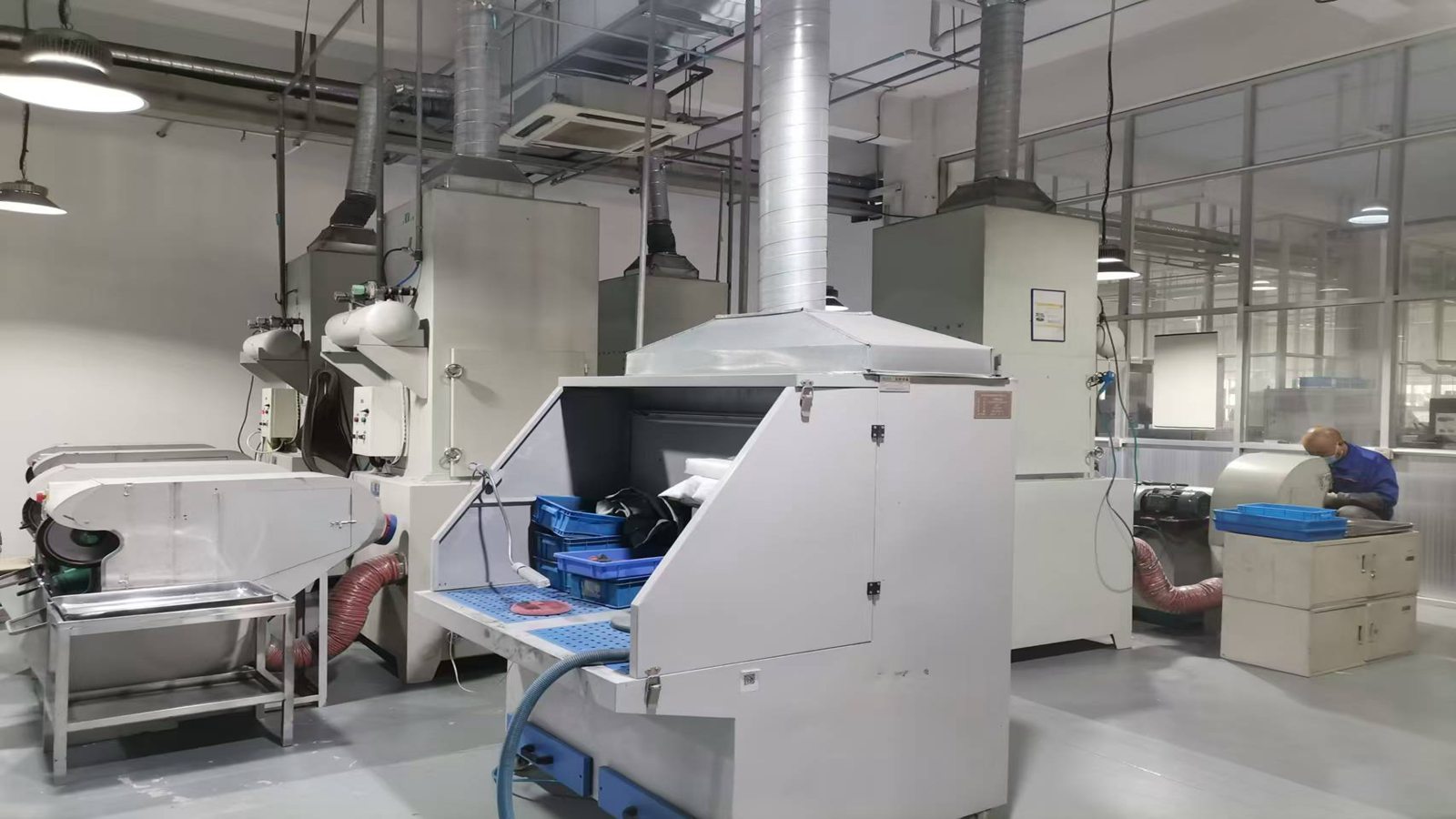
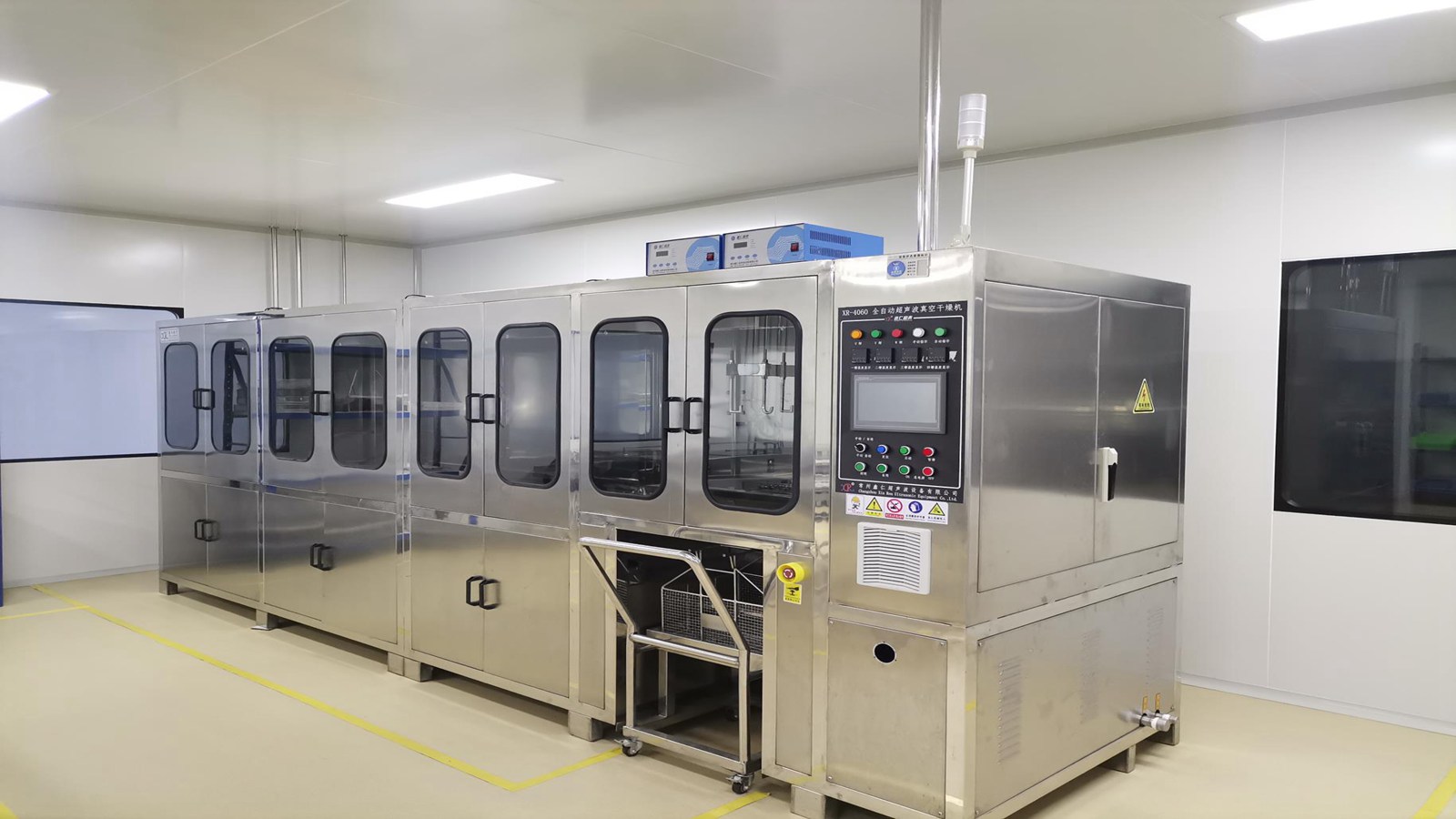
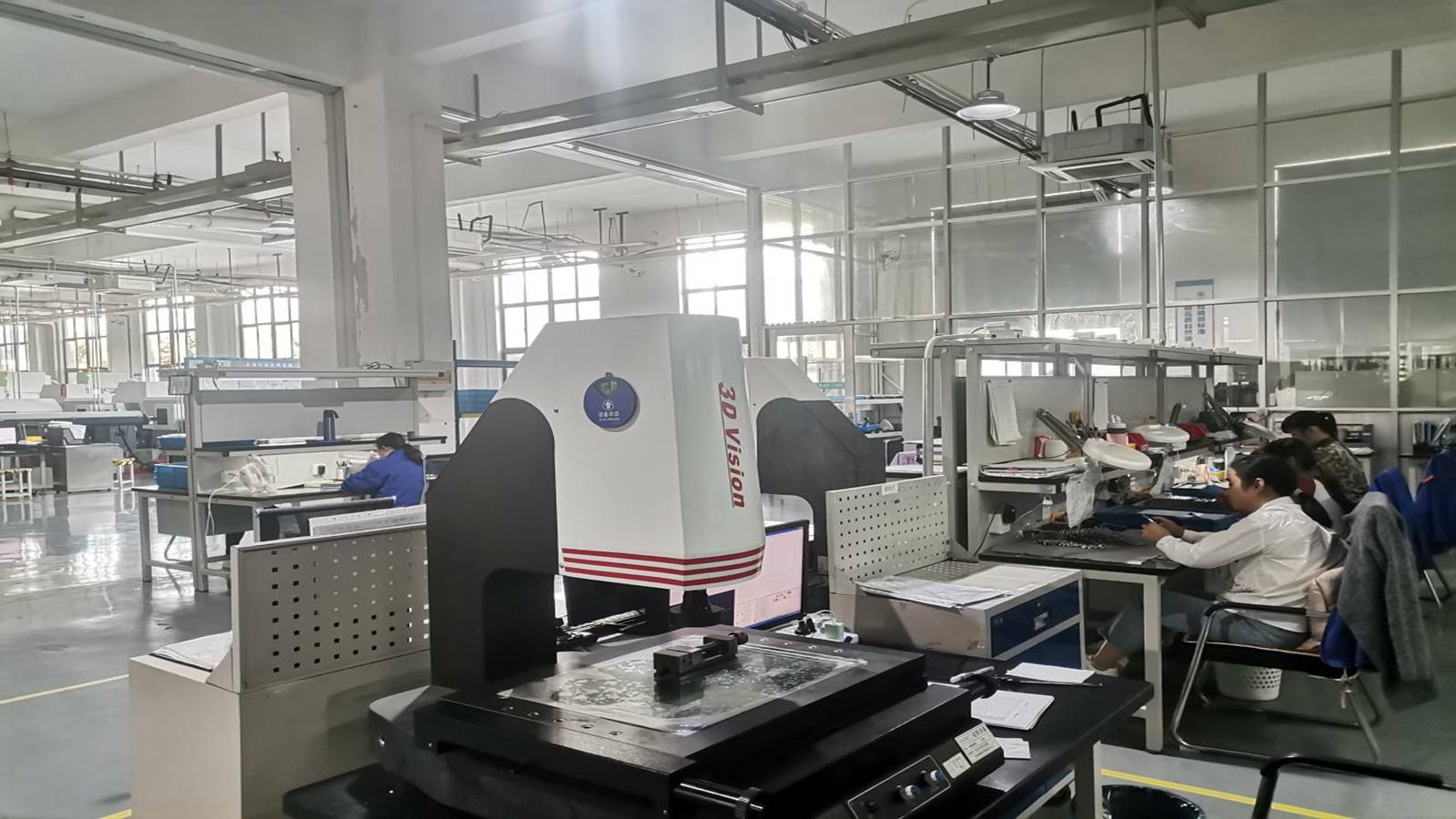
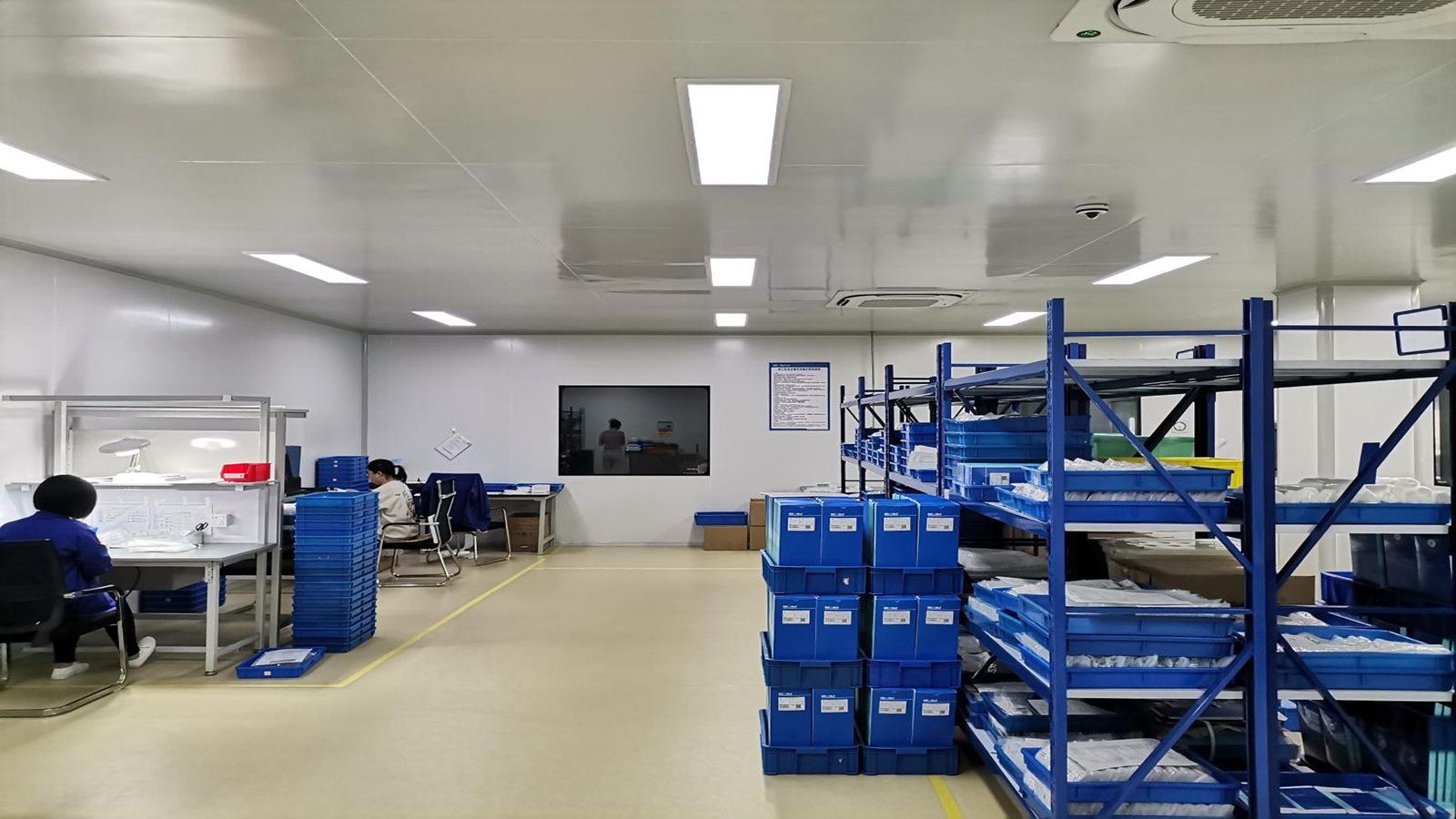
Our manufacturing facilities are equipped with state-of-the-art CNC processing systems, cleanroom packaging environments, and automated testing machinery. Every interference screw is subjected to rigorous quality control measures, guaranteeing that the tension, shear strength, and thread tolerances conform to strict international medical device directives.
Extending beyond ligament fixation to provide total joint solutions for Fiji's regional healthcare centers.
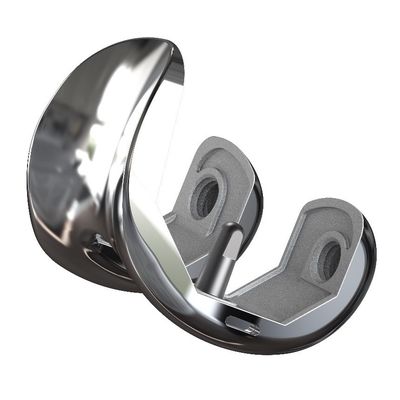
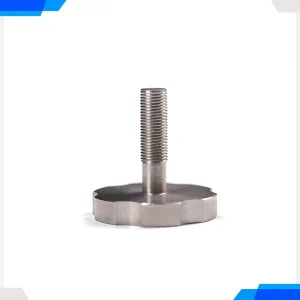
Advanced tibial-femoral articulation component, offering high wear resistance and customized fit parameters for total knee arthroplasty.
Request Quote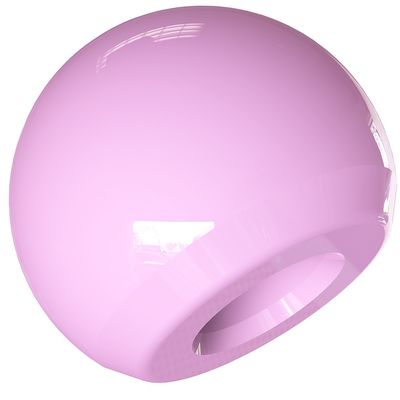
High-purity ceramic femoral head for Total Hip Arthroplasty (THA), minimizing bearing surface friction and optimizing implant life expectancy.
Request Quote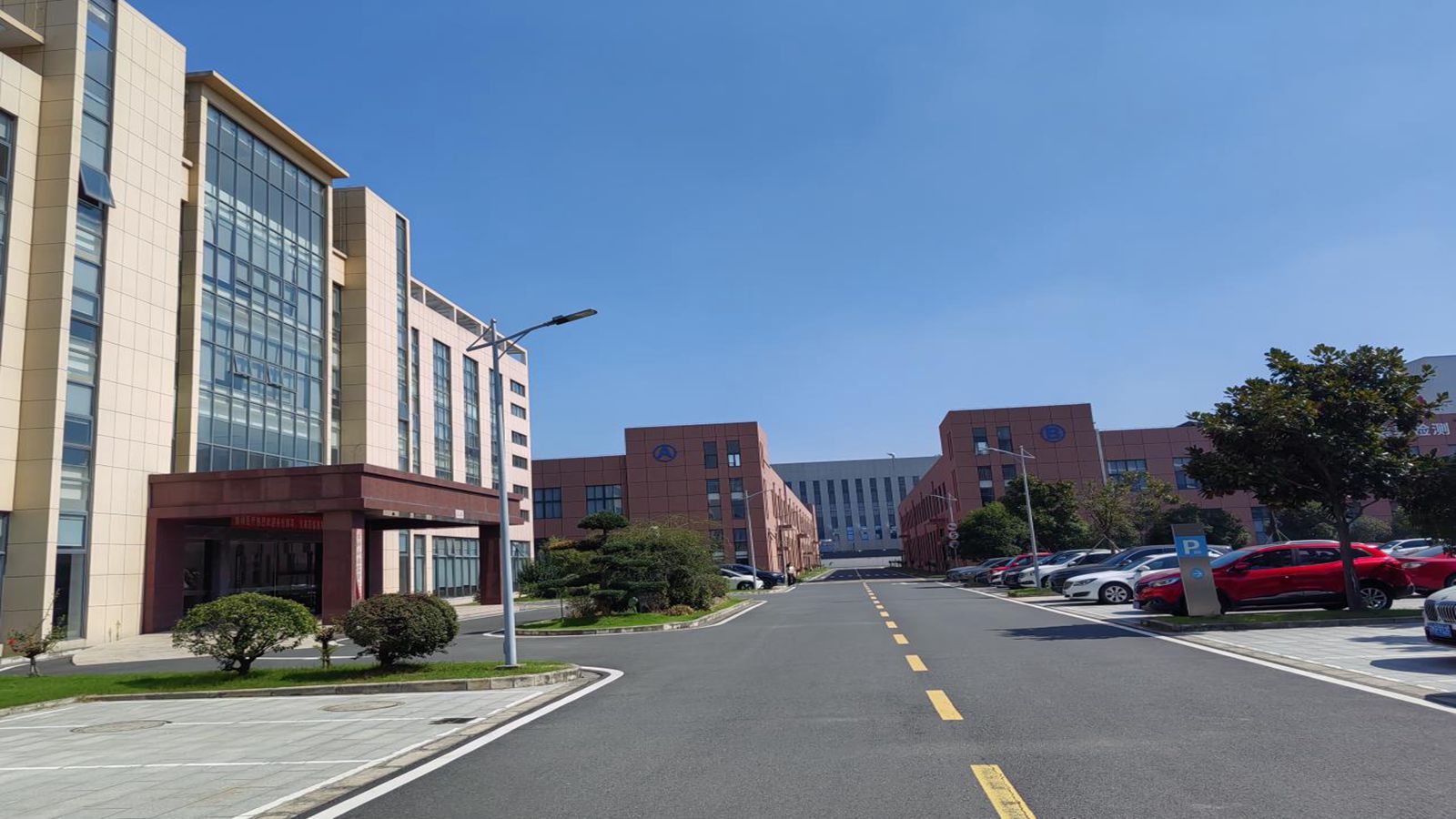 Global Support & Export Services for Fiji Districts
Prompt responses to all formal healthcare tenders and private procurement inquiries within 2 hours.
Competitive direct-factory pricing structure with no strict MOQ parameters, enabling hospital validation testing.
Full regulatory portfolios complying with ISO 13485:2016 and CE certifications to meet Fiji Ministry of Health demands.
Proficient air cargo and maritime logistics management to Suva (Kings Wharf) and Nadi International Airport.
Surgical instrumentation training and orthopedics workshops in China, with physical clinical demonstrator options.
Local orthopedic expo sponsorships and advertising support for exclusive regional medical distributors.
Optimized payment timelines and credit lines for established, exclusive South Pacific procurement networks.
Ongoing product optimization to match the latest orthopedic breakthroughs, expanding into bio-resorbable composites.
Navigating medical import procedures, sterile barrier maintenance, and regional certification protocols.
Importing high-precision surgical implants into Fiji requires adherence to the rules outlined by the Fiji Ministry of Health and Medical Services (MHMS). As an established exporter, Shanghai Sete Technology provides all required documentation, including Certificate of Free Sale (CFS), ISO 13485:2016 quality management system documentation, CE declarations, and complete sterilized batch test results.
Fiji’s marine and tropical climate features high relative humidity and temperatures. This climate places high demands on medical packaging integrity. Our interference screws are packaged in double-sterile Tyvek pouches that resist moisture penetration, micro-puncture, and bacterial entry. They can be stored in hospital storage rooms without degradation of the outer sterile barrier, ensuring long-term shelf safety.
Answering crucial clinical, manufacturing, and logistical questions for orthopedic surgeons and supply chain managers.
Browse our diverse portfolio of orthopedic fixations, designed for sports medicine and arthroscopic procedures.